

The Ultimate Summer Cool-Down
Welcome to the Spiti Valley, a high-altitude cold desert nestled in the Indian Himalayas. Tucked away in the state of Himachal Pradesh, near the Tibetan border, Spiti is geographically shielded by mountains, creating a unique microclimate. While the rest
of India swelters through monsoon season from June to September, Spiti enjoys clear blue skies, brilliant sunshine, and blissfully cool temperatures that hover in the 60s and 70s Fahrenheit. It’s summer, but with a crisp, alpine edge. This isn't just a trip; it's a climate upgrade. The name itself, Spiti, translates to “The Middle Land,” a fitting description for a place that feels like a world between worlds, suspended in time and altitude.
A Landscape That Redefines 'Scenic'
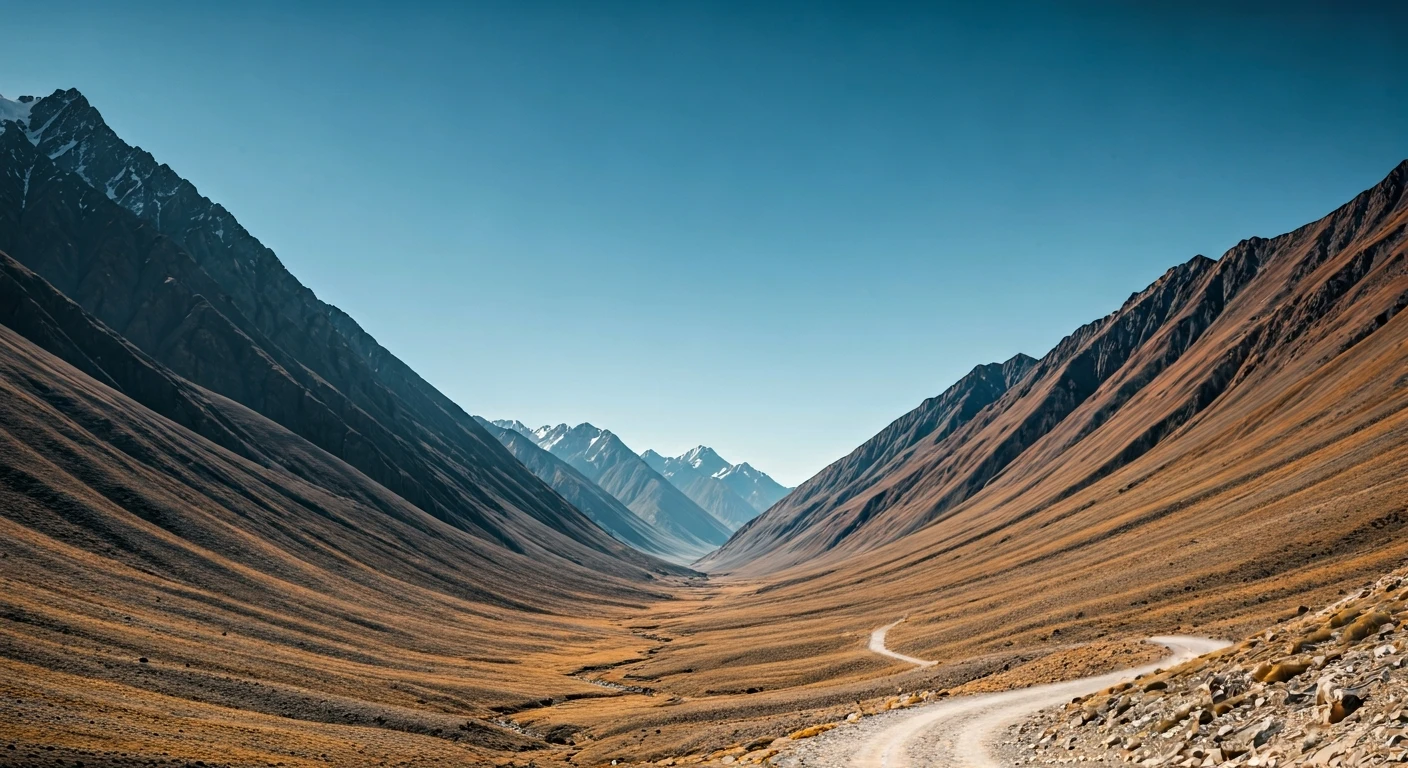
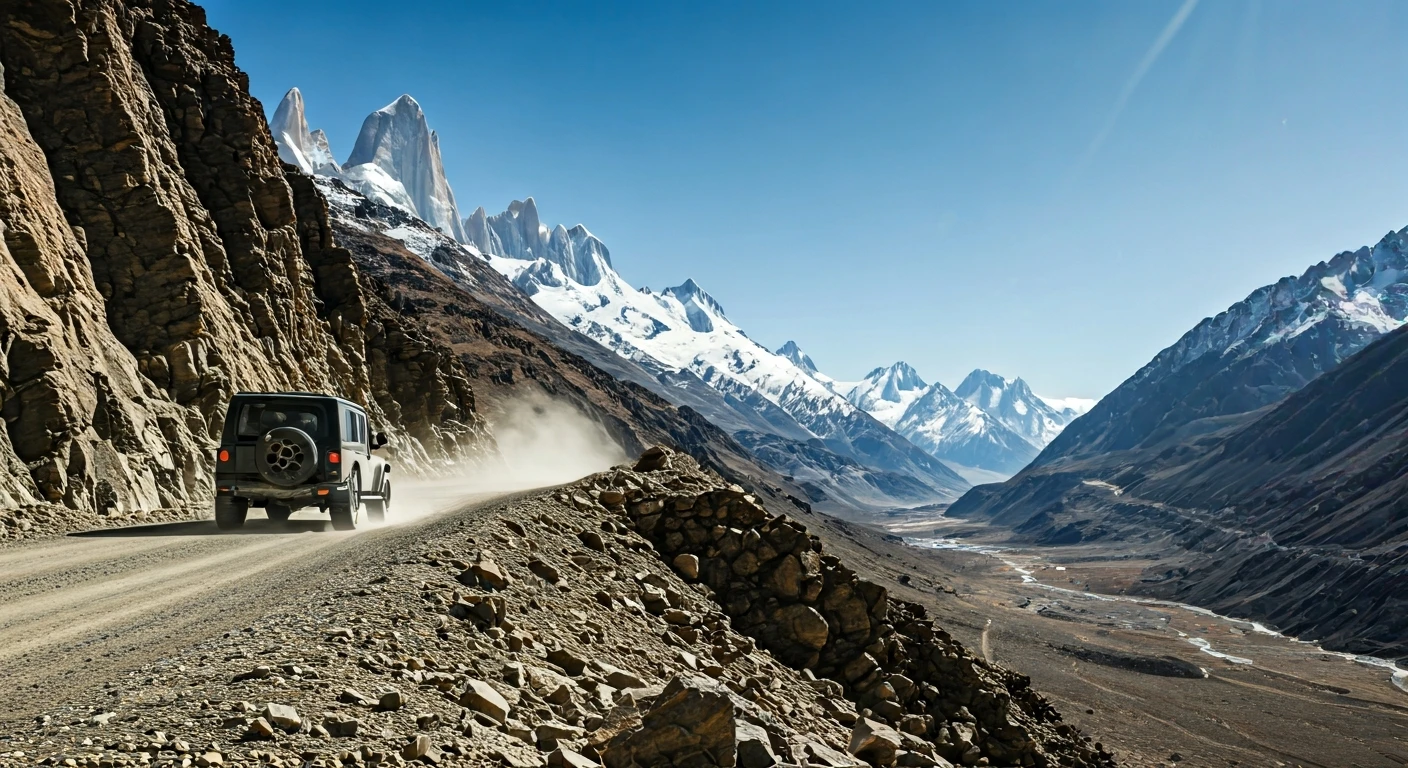
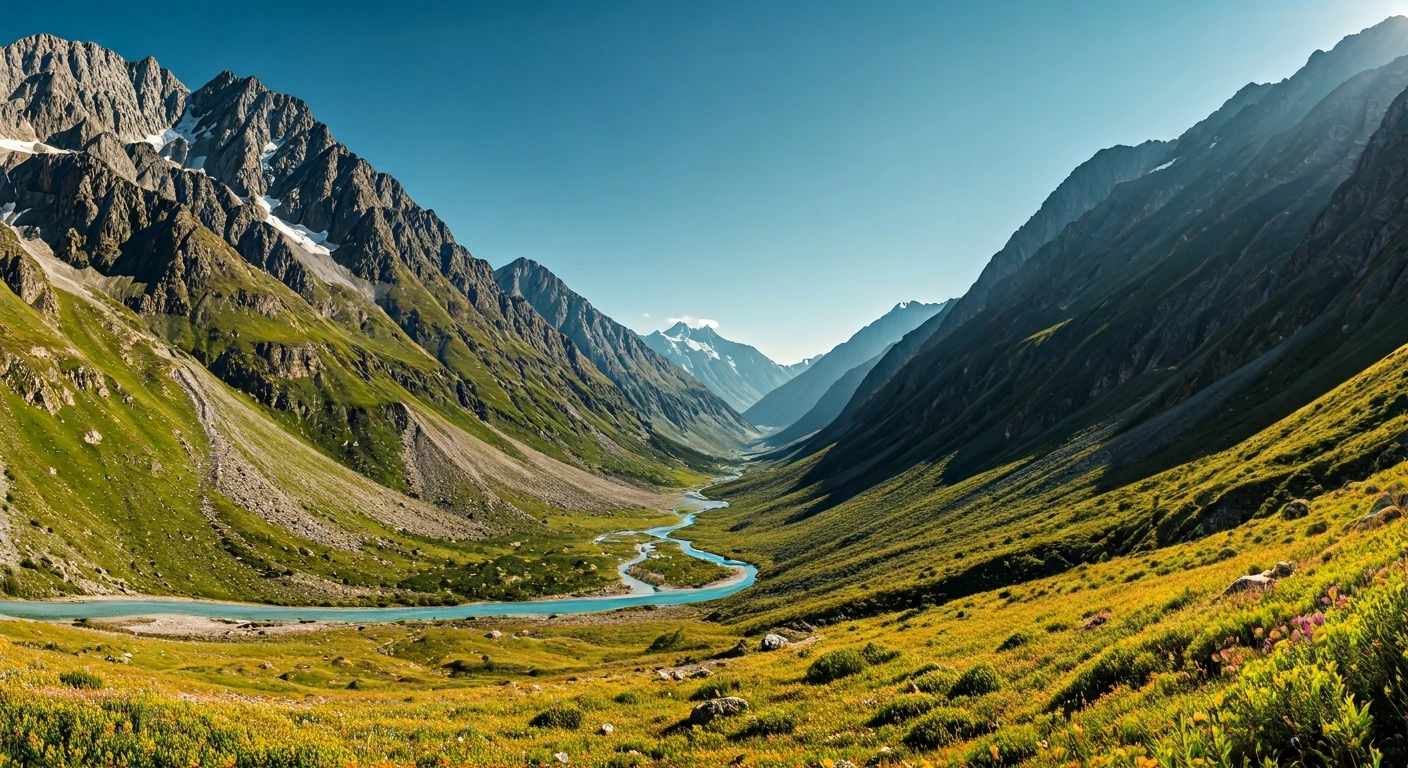
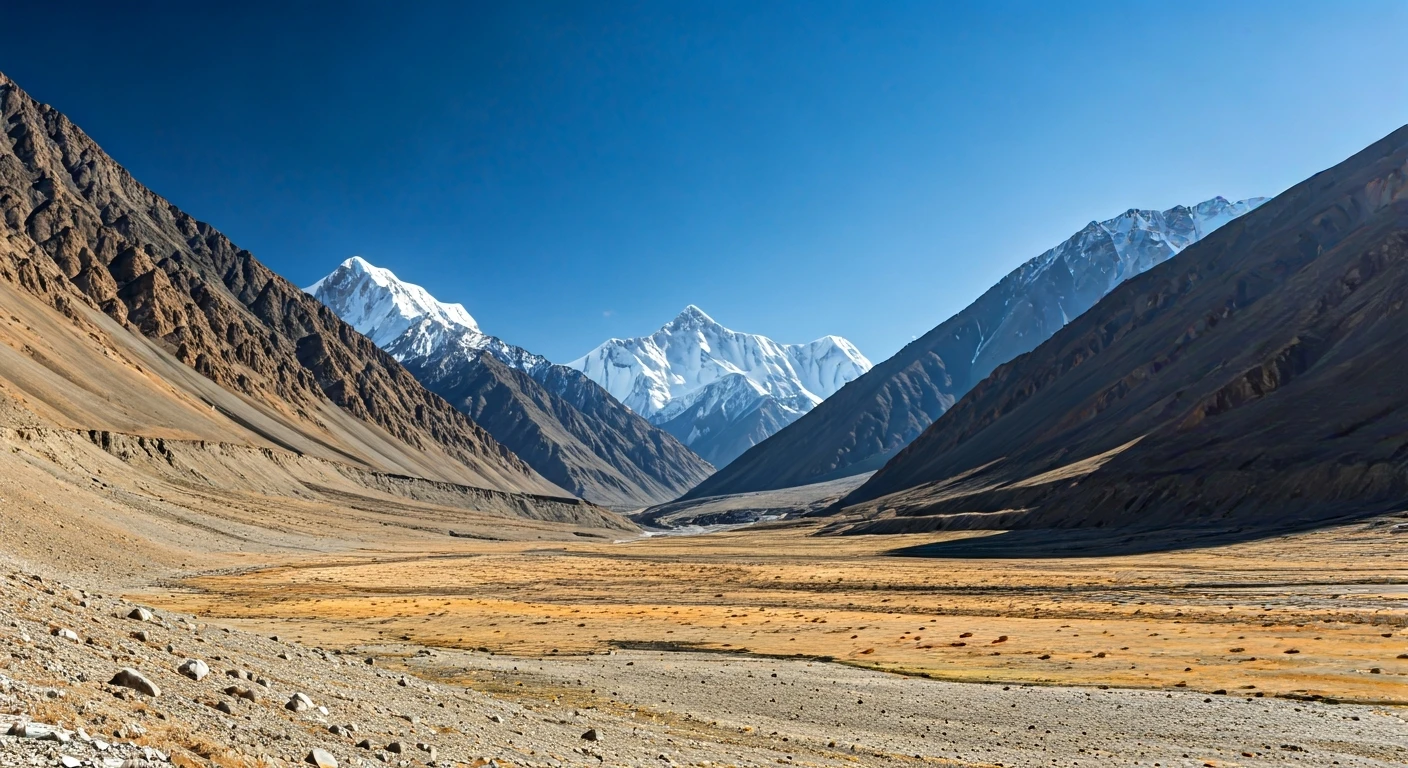
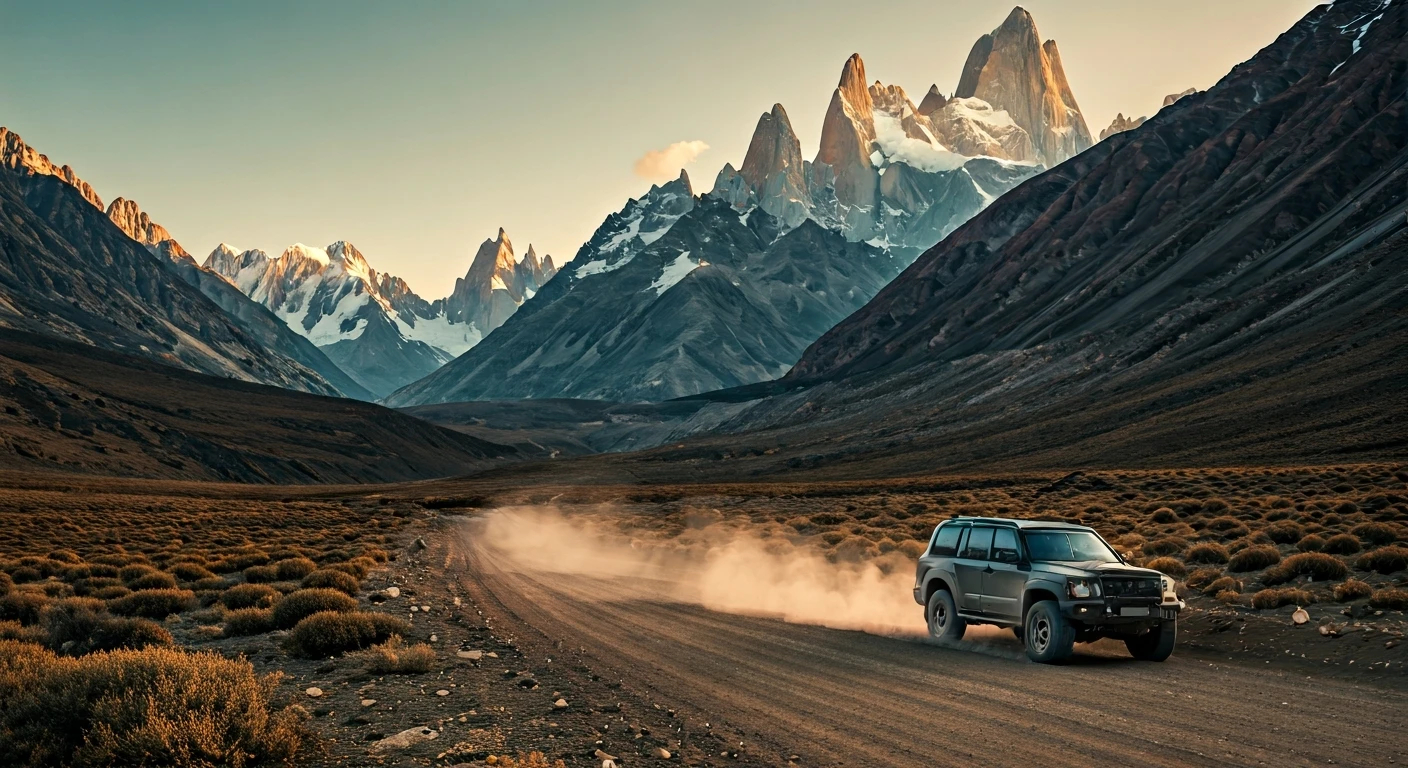
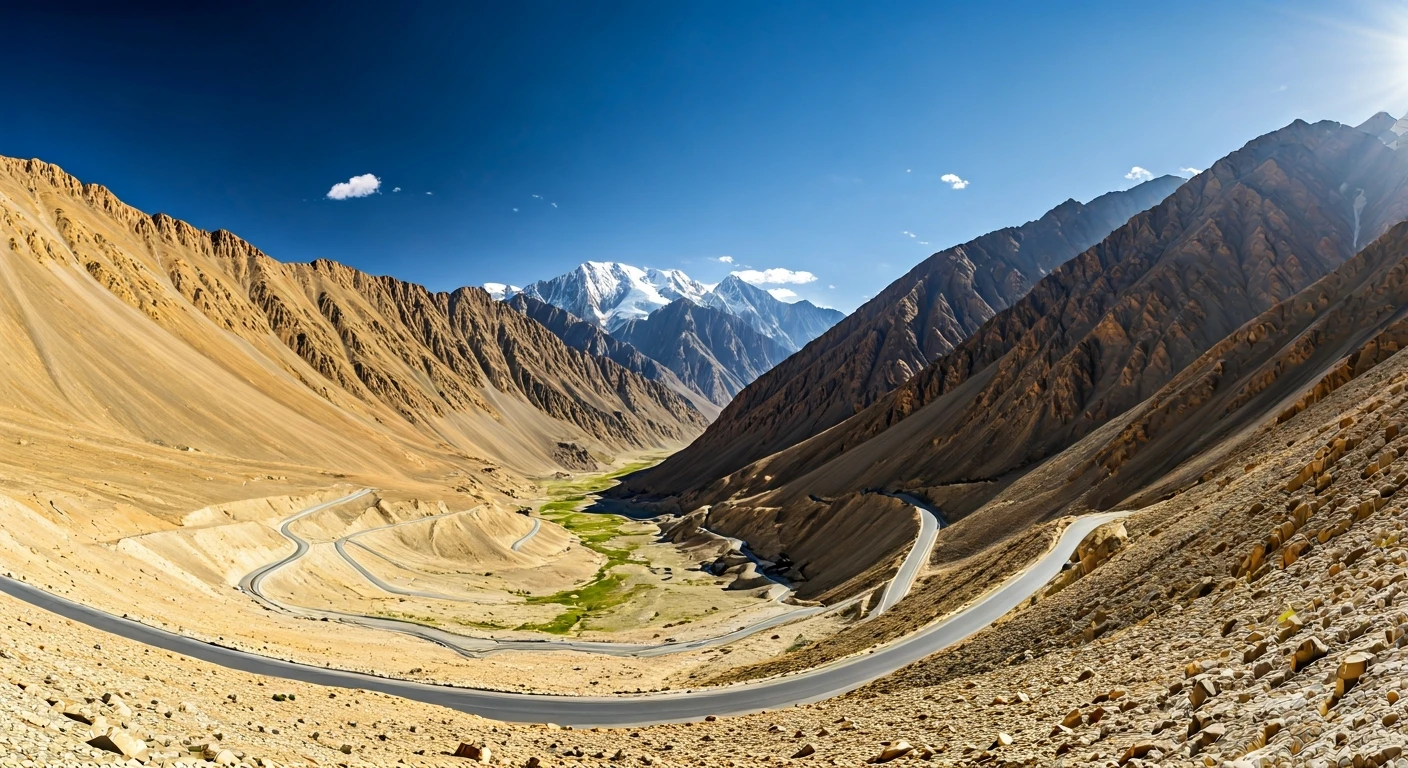
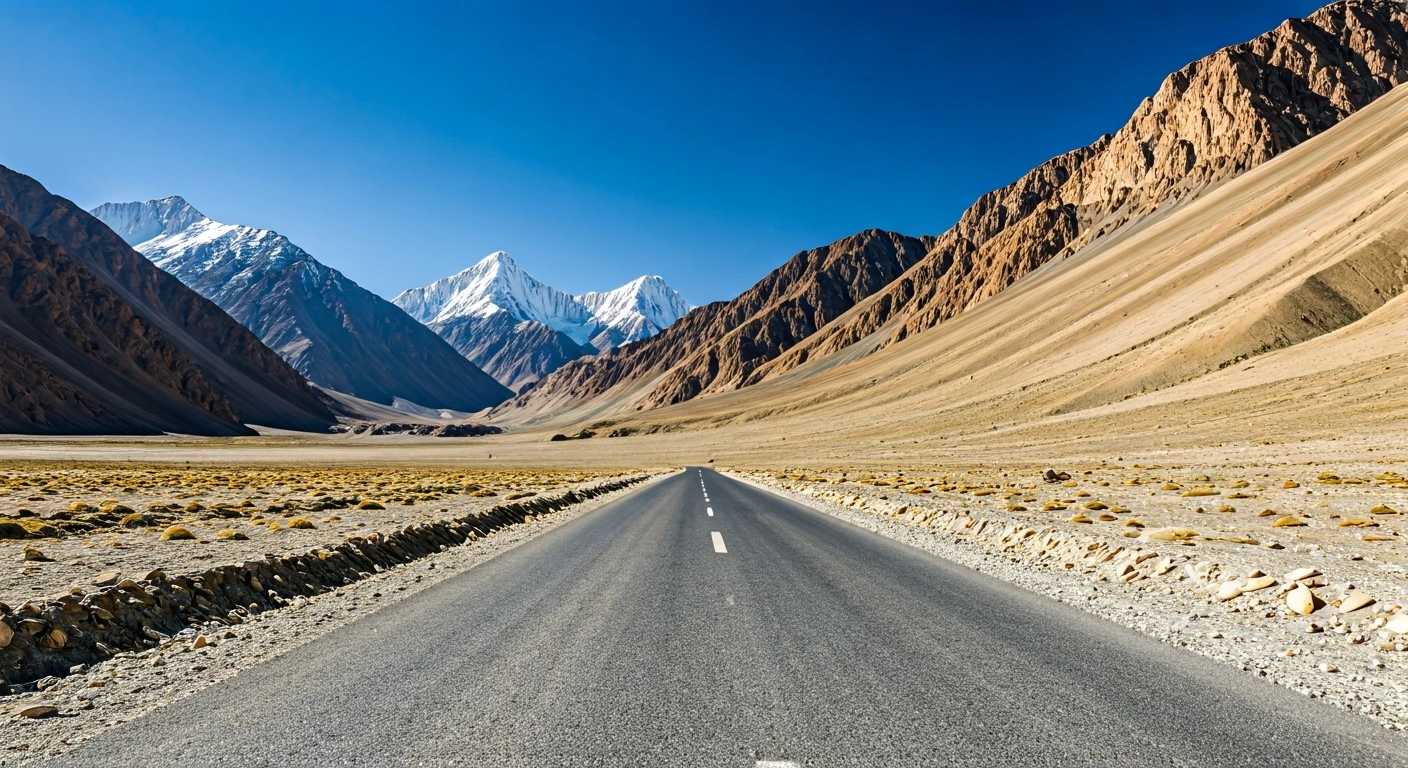
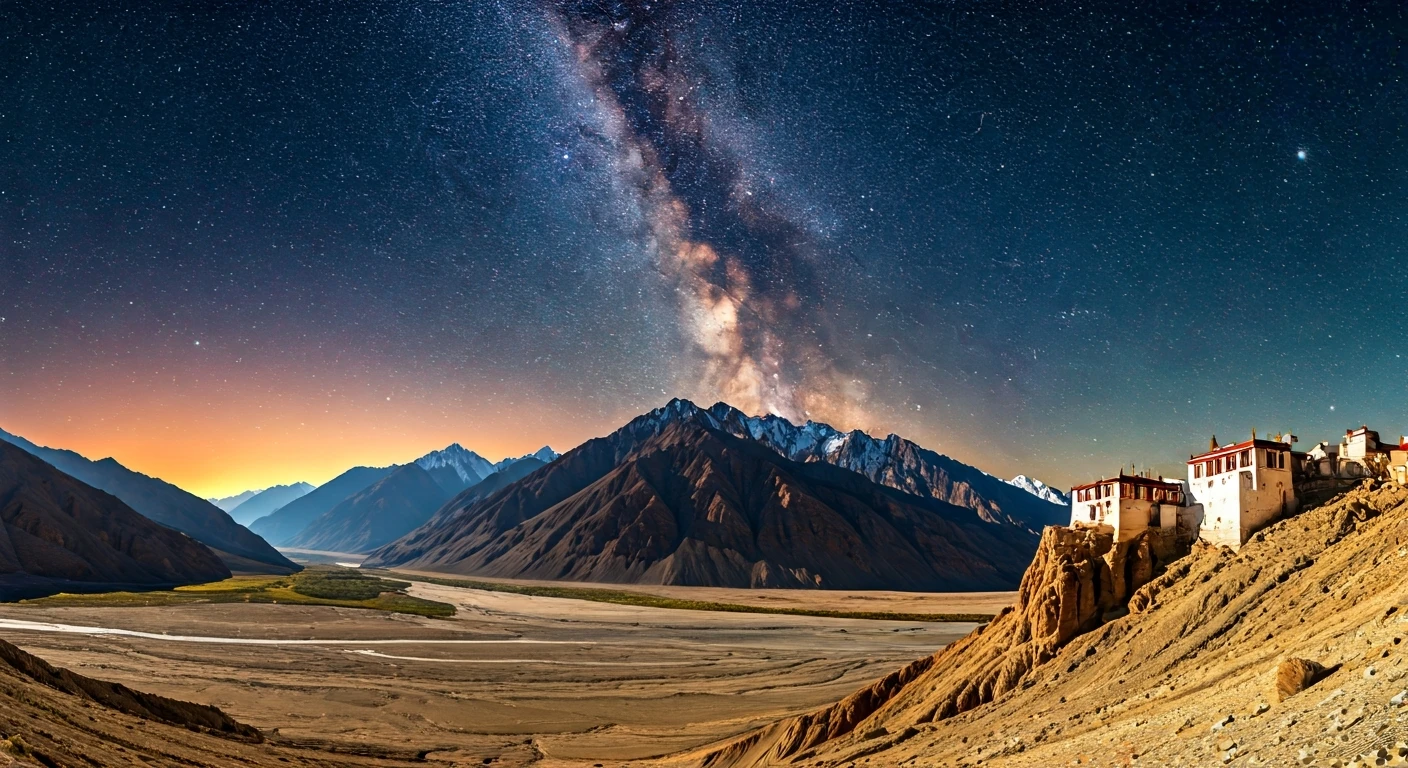
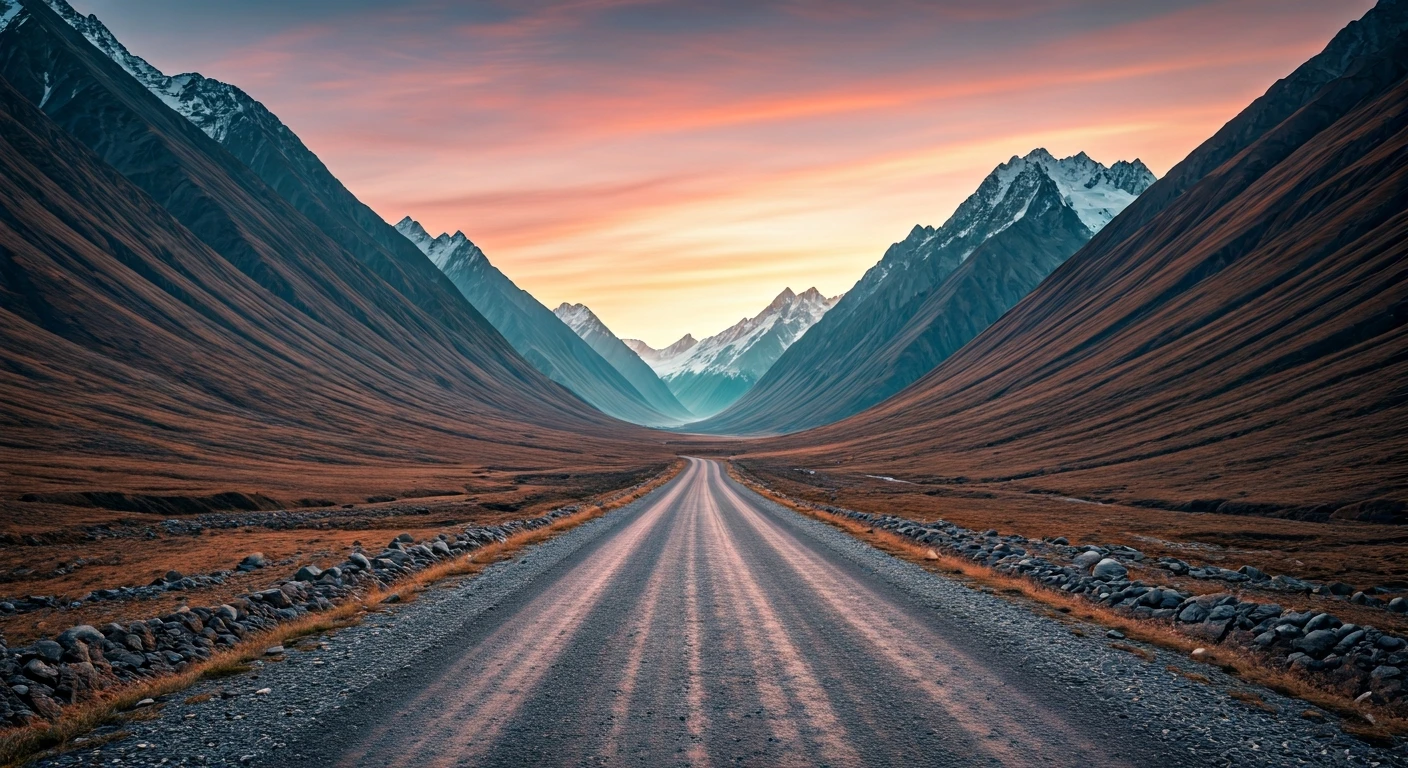
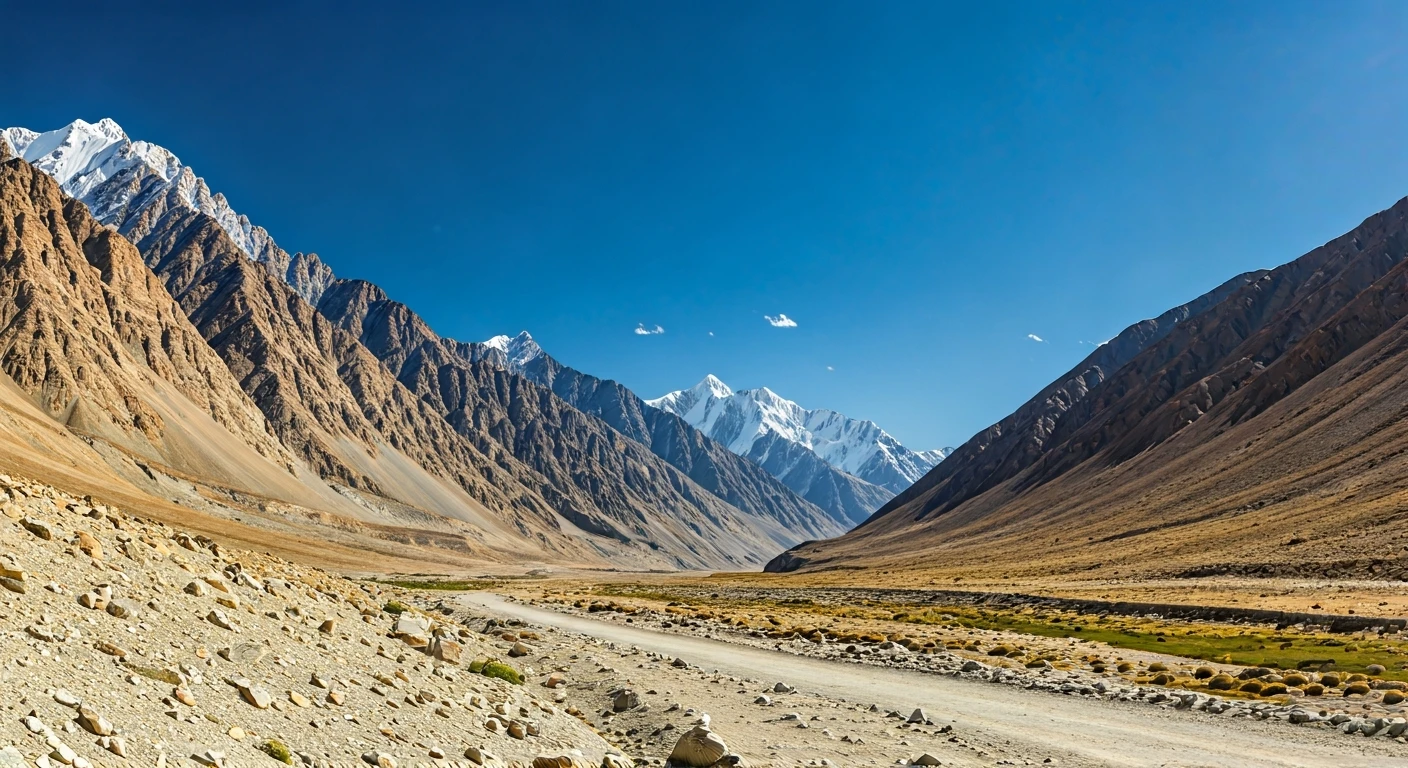
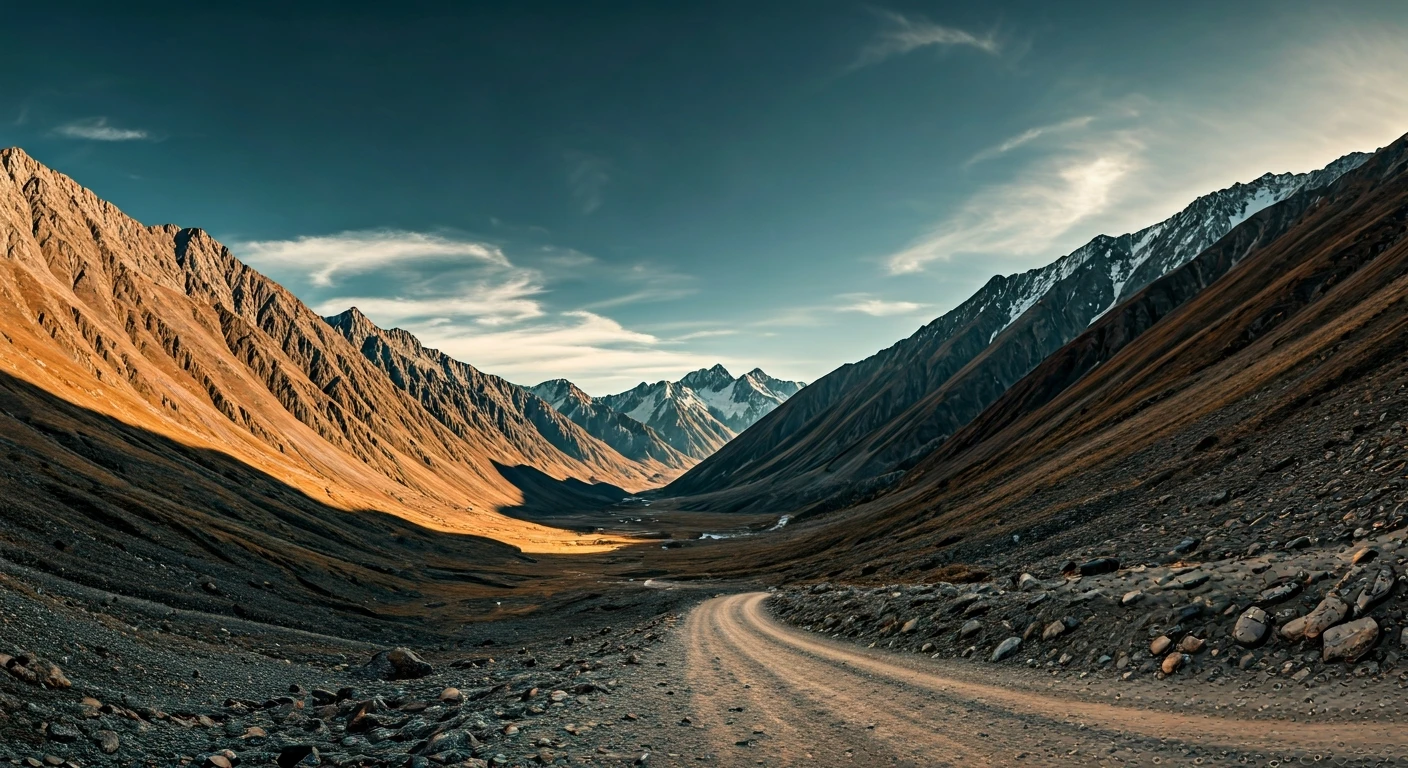
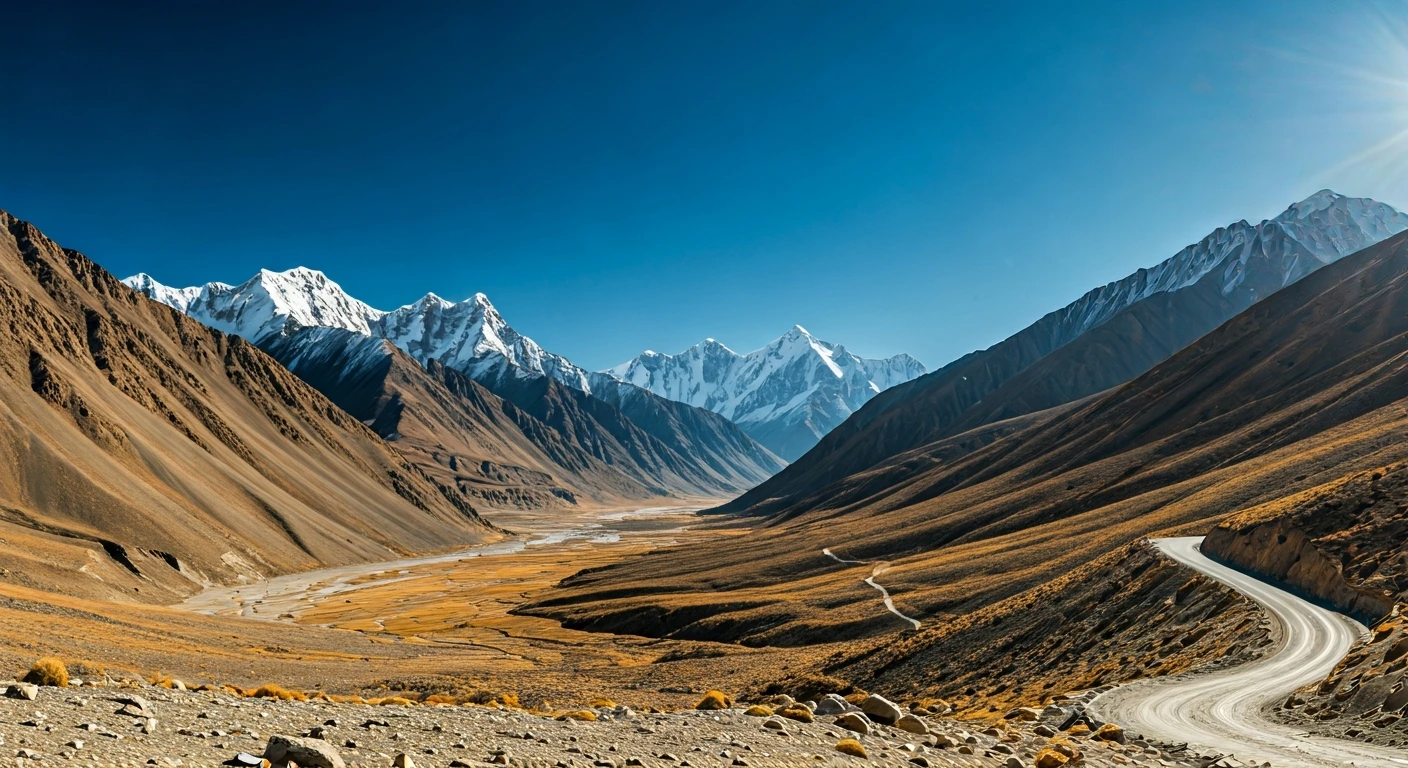
Forget lush, green hills. Spiti’s beauty is stark, dramatic, and utterly epic. Imagine driving on roads carved into the sides of barren, rust-colored mountains, with the turquoise Spiti River carving its way through the valley floor thousands of feet below. The landscape is a geological masterpiece of sharp-angled peaks, deep gorges, and vast, empty plains under an impossibly big sky. At night, with virtually zero light pollution, the Milky Way isn't just visible; it’s a breathtaking, shimmering canopy. Key destinations like Chandratal, the “Lake of the Moon,” offer surreal reflections of snow-dusted peaks in its crystal-clear water. This is a place where you feel profoundly small in the best way possible, dwarfed by the raw power and scale of nature.
Culture Carved in Stone and Spirit
Spiti is one of the last remaining enclaves of traditional Tibetan Buddhist culture. Its remote location has preserved a way of life that has vanished from many other parts of the Himalayas. The valley is dotted with ancient monasteries, some over a thousand years old, that cling precariously to cliffsides. The most famous, Key Monastery, is a sprawling, whitewashed complex that looks like a fortress out of a fantasy novel. Others, like the Tabo Monastery, are UNESCO World Heritage sites, home to exquisite murals and manuscripts that have earned it the nickname “Ajanta of the Himalayas.” Visiting these gompas, hearing the low hum of monks chanting, and sipping butter tea with a local family in a village homestay offers a connection to a slower, more deliberate, and deeply spiritual world.
So, What's the Catch?
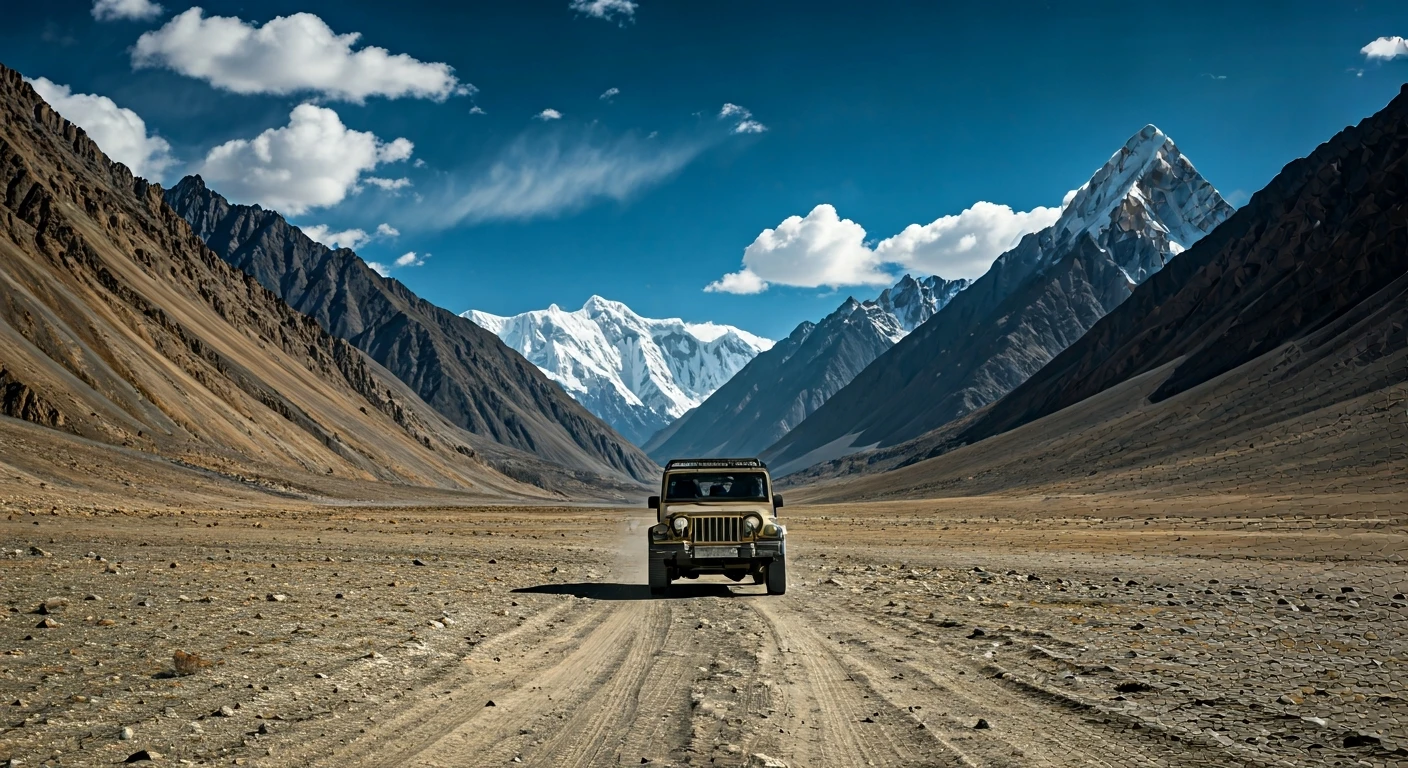
A trip to Spiti is an adventure, not a luxury vacation. Getting there is half the journey, involving a multi-day, rugged road trip from either Shimla or Manali—think winding mountain passes and unpaved stretches. The average altitude is over 12,500 feet, so acclimatization is non-negotiable; you need to take it slow for the first few days to avoid altitude sickness. Accommodations are generally simple, clean, and charmingly basic, with family-run guesthouses and homestays being the norm. You won't find five-star resorts or infinity pools here. The payoff, however, is access to a world that feels untouched by mass tourism. This is a trip for the patient, the adventurous, and those who believe the greatest rewards come after the hardest climbs.