






The Traditional Protein Playbook
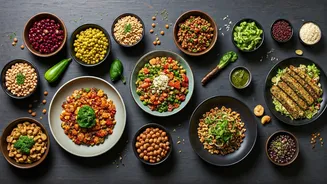
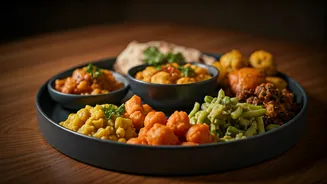
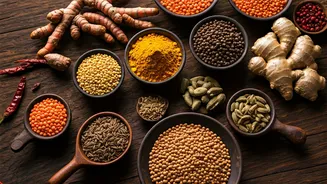
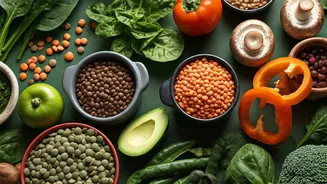
For generations, the cornerstone of protein in most Indian households has been a vibrant, but specific, cast of characters. Dal (lentils), chickpeas, kidney beans, and other legumes are dietary staples, forming the base of countless regional curries and dishes.
For vegetarians, who make up a significant portion of the population for cultural and religious reasons, the other major sources are dairy-based: paneer (a firm, non-melting cheese) and dahi (yogurt). This framework has sustained hundreds of millions of people for centuries. It's a diet that is time-tested, affordable, and deeply woven into the fabric of daily life. However, from a modern, Western-style fitness perspective, it can be challenging to hit the high protein targets often recommended for muscle building without consuming very large quantities of food.
The New Calculus of Health
So, what changed? In a word: aspiration. Fueled by smartphones and social media, India’s Gen Z is more connected to global trends than any generation before it. Instagram feeds filled with fitness influencers, a burgeoning gym culture in Tier-1 and Tier-2 cities, and the aesthetics of a lean, muscular physique have created a new set of health goals. This isn't just about looking good; it's a marker of discipline, modernity, and upward mobility. Achieving these new physical ideals requires a different nutritional strategy. The casual, दाल-रोटी (dal-roti) diet of their parents is suddenly being audited for its protein content. This has opened the door for a fundamental reconsideration of where that protein should come from, pushing young Indians to look beyond the traditional plate.
From Chicken to Protein Shakes
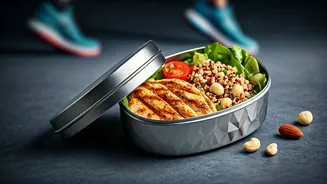
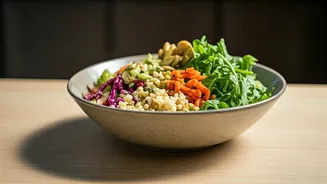
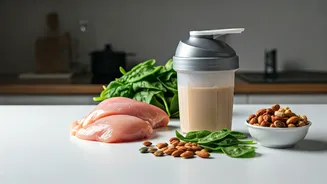
This “rethinking” is not a simple switch to one single alternative. Instead, it’s a fragmentation of choices. For some, especially young men in urban centers, it has meant embracing poultry. Chicken, once a dish for special occasions, is being repositioned as a lean, efficient protein source for post-workout meals. The demand has been a boon for India’s poultry industry. Simultaneously, a massive market for supplements has exploded. Whey protein, once a niche product for competitive bodybuilders, is now ubiquitous in gyms and kitchens. For vegetarians and the health-conscious, plant-based protein powders derived from peas or brown rice offer a modern, convenient solution that aligns with traditional dietary principles while still meeting new fitness demands. This isn't about abandoning vegetarianism, but rather about upgrading it for a new set of goals.
A Boom in New-Age Brands
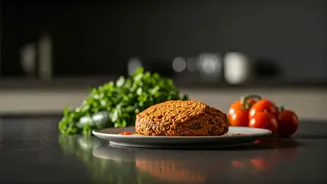
Capitalizing on this trend is a wave of startups and established food companies. The Indian market is now flooded with high-protein versions of everyday foods: protein bars, protein-fortified breakfast cereals, and even high-protein cookies. Plant-based meat alternatives, from companies both local and global, are also gaining a foothold, offering the texture and taste of meat without the religious or ethical baggage. These products are marketed with a slick, modern branding that speaks directly to the aspirations of a young, globalized consumer. These options offer a convenient middle path. They allow a young person living in a multi-generational, vegetarian household to supplement their protein intake without causing a major disruption at the family dinner table. A protein shake or a plant-based burger patty is often a more socially seamless choice than bringing home a chicken breast.