






An Island in the Storm
Try it. The next time you’re walking near the Capitol, past the Supreme Court, or along the frantic K Street corridor, just stop. Ignore the tourists fumbling with maps and the congressional aides speed-walking with lattes. Pick one tree—any tree—and
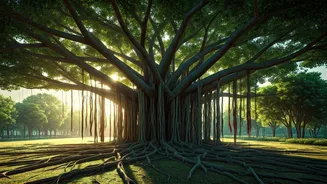
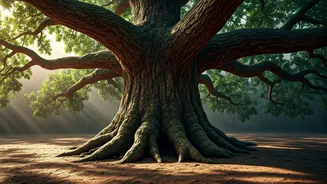
look up. Really look. Notice the architecture of its branches, a complex network reaching for the sky. Observe the way the sunlight filters through its leaves, creating a dappled, dancing pattern on the pavement. Follow the textured bark from the ground up to its first major fork. In that moment of focused observation, the city’s noise begins to recede. The wail of a distant siren becomes background static. The anxiety of your to-do list loosens its grip. For 30 seconds, the only thing that matters is the quiet, living presence of the tree. It’s a form of mindfulness that requires no app, no guru, and no fee—just a willingness to pause and see what’s already there.
A Green, Deliberate Design
This experience isn't an accident; it’s a feature, not a bug, of Washington’s original design. When Pierre Charles L'Enfant laid out his vision for the federal city in 1791, he envisioned more than just grand avenues and monumental buildings. He planned for a city of parks, squares, and green spaces integrated into the urban fabric. His plan called for a capital that felt grand yet livable, powerful yet beautiful. Over the centuries, this vision was expanded upon, leading to the establishment of the U.S. National Arboretum and the protection of vast woodlands like Rock Creek Park. Groups like Casey Trees have worked for decades to expand the city's canopy, planting hundreds of thousands of trees. Washington, D.C. is, by some measures, one of the greenest major cities in the country. Its trees are not just decoration; they are a core part of its identity, a living link to its foundational ideals.
Beyond the Cherry Blossoms
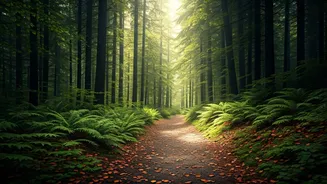
The annual cherry blossom festival rightfully draws millions, but the city’s arboreal beauty is a year-round affair. The spectacle of the Tidal Basin in spring is just the opening act. Venture to the National Arboretum in Northeast D.C. to wander through groves of ancient ginkgoes, spiny monkey puzzle trees, and the formerly-extinct dawn redwood. Take a walk down Embassy Row, where stately elms and oaks form a majestic canopy over the grand old mansions. Explore the trails of Rock Creek Park, a 1,754-acre urban oasis where you can find tulip poplars that have stood for over 150 years, predating the Civil War. Even the local neighborhood streets boast a surprising diversity, from the sturdy sycamores in Dupont Circle to the magnolias that perfume the air in Georgetown in early summer. Each offers a different character, a different history, and a different kind of calm.
The Science of Urban Relief
There’s a reason this simple act feels so restorative. The Japanese practice of *shinrin-yoku*, or “forest bathing,” is built on the scientifically supported idea that spending time in nature has profound physiological and psychological benefits. Studies have shown that even short periods of exposure to natural environments can lower cortisol levels (the primary stress hormone), reduce blood pressure, and improve mood. In a city like Washington, where professional and political pressures are constant, access to this kind of mental relief is not a luxury; it's a necessity. Tree-gazing provides a micro-dose of this effect. It taps into our innate connection with the natural world—what biologist E.O. Wilson called “biophilia.” It grounds us in something larger, older, and slower than the frenetic pace of modern urban life, reminding us that even amid the concrete and the conflict, there is a world of quiet resilience waiting to be noticed.