




What is 'Hill-Station Mode'?
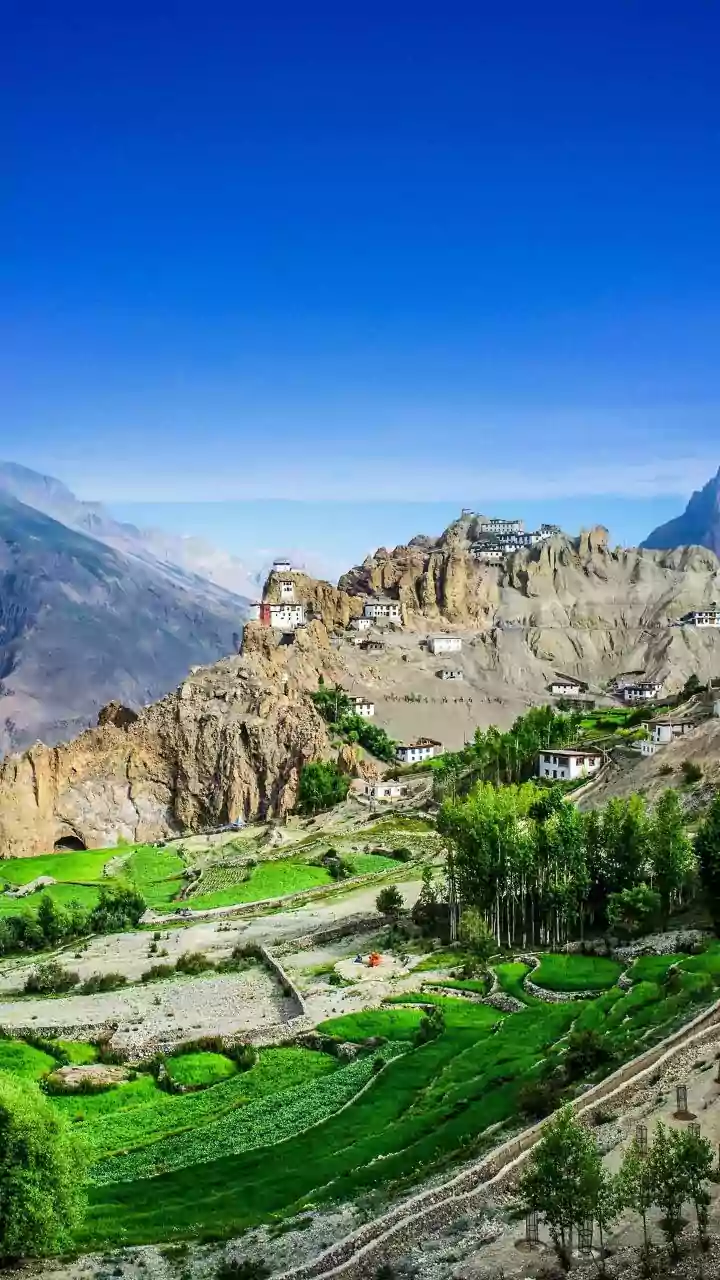
First, a quick history lesson. The term 'hill station' comes from British colonial India, where officials and their families would retreat to high-altitude towns like Shimla or Darjeeling to escape the crushing summer heat of the plains. These places
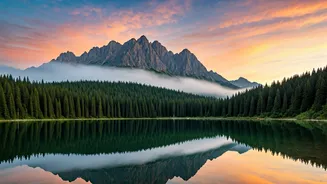
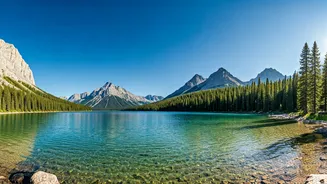
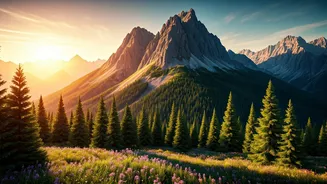
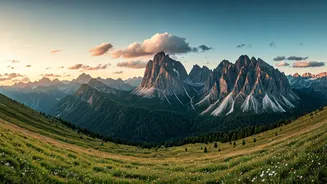
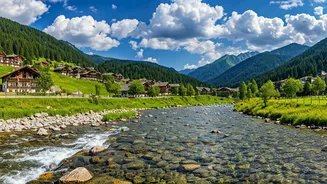
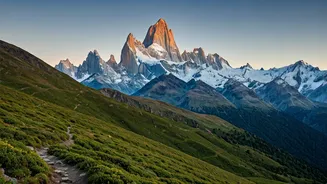
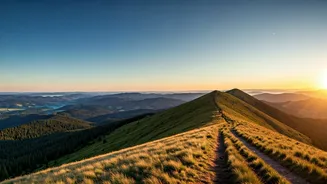
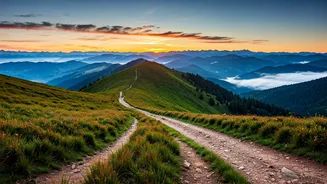
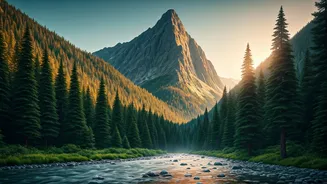
weren't about thrill rides or packed itineraries; they were about cool breezes, scenic vistas, long walks, and a much slower pace of life. In the American context, 'going full hill-station' isn't about colonial history, but about capturing that same spirit. It’s the intentional choice to swap the sprawling resort or frenetic city break for a quieter, nature-centric destination. Think less theme park, more national park. It's about trading the manufactured fun of a water slide for the simple pleasure of a mountain stream, and swapping crowded boardwalks for quiet hiking trails.
A Backlash Against Burnout Culture
So, why the shift? The trend seems to be a direct reaction to the burnout that defines so much of modern American life—for parents and kids alike. The post-pandemic world has left many with a deep-seated fatigue from over-scheduling, digital saturation, and the pressure to 'optimize' everything, including leisure time. The traditional, high-octane family vacation can feel like another performance—a frantic dash to check off experiences and justify the expense. The hill-station approach is the antidote. It’s a quiet rebellion against the 'we must do everything' vacation mindset. Instead of running from one attraction to another, the goal is to decompress. It prioritizes genuine connection, unstructured time, and mental well-being over a perfectly curated, Instagram-ready highlight reel. It’s the realization that what families might need most isn’t more stimulation, but less.
America's New Mountain Retreats
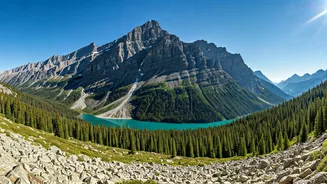
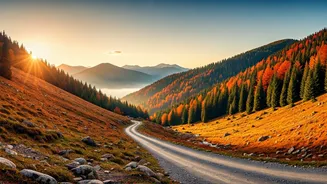
While the U.S. doesn’t have a colonial legacy of hill stations, it has no shortage of destinations that fit the bill. This trend is fueling new interest in mountain towns that offer a mix of natural beauty and low-key charm. Places like Estes Park, Colorado, at the gateway to the Rockies, or Asheville, North Carolina, nestled in the Blue Ridge Mountains, have long been popular, but they are now at the center of this movement. Other examples include the small towns of the Catskills and Adirondacks in New York, the lakeside communities near Lake Tahoe, or the artsy enclave of Jackson Hole, Wyoming. The appeal is consistent: fresh air, stunning landscapes, and a town center with independent shops and cozy restaurants instead of massive chain establishments. Activities are simpler: hiking, fishing, reading a book on a cabin porch, or simply enjoying the view.
It's More of a Mindset Than a Place
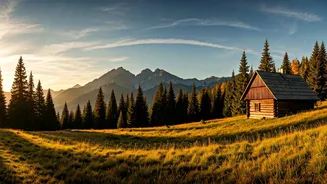
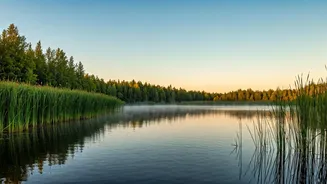
Ultimately, the hill-station trend is less about a specific geographic location and more about a fundamental shift in vacation philosophy. You don’t need to be at 8,000 feet to achieve it. A family could find their 'hill station' at a quiet lakeside cabin in Minnesota, a small coastal village in Maine during the shoulder season, or a rented house in the Texas Hill Country. The key ingredients are a removal from the daily grind and an intentional slowing down. It’s about choosing a place where the main attraction is the place itself, not a ticketed event within it. The focus is on being present with one another in a calm, beautiful setting, allowing for the kind of spontaneous fun and deep conversation that a jam-packed schedule so often crowds out.