



The 'Been There, Done That' Burnout
For decades, the Indian domestic travel circuit was a well-worn path. Families aspired to see the Taj Mahal in Agra, escape the summer heat in the Himalayan hill stations of Shimla or Manali, and party on the crowded beaches of North Goa. These places,
part of a collective cultural imagination, formed the backbone of the country's tourism. But for a growing number of Indians, the magic is gone. The reality of visiting these spots today often involves gridlock traffic, shoulder-to-shoulder crowds, inflated prices, and a feeling of being processed rather than experiencing a place. This phenomenon, known as overtourism, has reached a tipping point. The very destinations built on beauty and escape are now causing the stress travelers are trying to flee. The result is a national case of tourist-trap fatigue, where the satisfaction of ticking a famous site off a list no longer outweighs the hassle of getting there.
Meet the New Indian Explorer
Driving this change is a new generation of travelers. Unlike their parents, who might have saved for one big annual trip, this demographic is younger, has more disposable income, and is deeply influenced by digital culture. They aren't just looking for a vacation; they're looking for an experience. They are solo travelers, small groups of friends, and young couples who prioritize authenticity, adventure, and—crucially—content for their social media feeds. This isn't your grandfather's pilgrimage to a religious site or a package tour. These travelers are digitally savvy, using platforms like Instagram and YouTube to research and discover destinations that are far from the mainstream. They are willing to trade the five-star hotel for a boutique homestay, the crowded monument for a quiet trek, and the generic tourist restaurant for a local, farm-to-table meal. Buoyed by improved roads, better internet connectivity in remote areas, and a post-pandemic urge to escape the urban grind, they are redrawing the map of Indian travel.
From the Golden Triangle to Hidden Gems
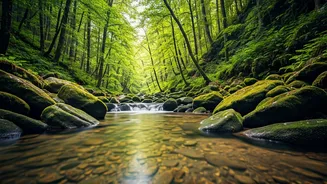
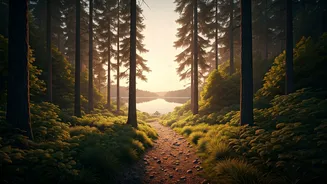
So where are they going? Instead of the 'Golden Triangle' of Delhi-Agra-Jaipur, they're exploring the cultural richness of states like Odisha or the historical ruins of Hampi in Karnataka. The overcrowded beaches of North Goa are being swapped for the serene cliffs of Varkala in Kerala or the undiscovered coastline of Maharashtra. Instead of fighting for a hotel room in Shimla, they're heading to remote valleys in Arunachal Pradesh, like the Ziro Valley, or tranquil villages in Uttarakhand that offer stunning Himalayan views without the tourist hordes. These 'offbeat' destinations offer what the traditional spots can no longer provide: a sense of discovery and genuine connection. Travel in India is becoming less about seeing the sights and more about soaking in the vibe, whether that's in a riverside camp in Tirthan Valley, a coffee plantation stay in Coorg, or a wellness retreat in the quiet corners of the Himalayas. The new travel plan is to go where the crowds aren't.
The Double-Edged Sword of Social Media
Ironically, the tool that enables this escape from the masses—social media—also threatens to recreate the problem. An 'undiscovered' waterfall or 'secret' viewpoint can go viral overnight, transforming it from a tranquil spot into the next must-visit location, complete with its own line for photos. We’ve seen this happen in the U.S., where places like Arizona's Horseshoe Bend went from a local secret to an Instagram-fueled phenomenon. Indian travelers and local communities are now grappling with this challenge. The goal is to promote sustainable tourism that benefits local economies without destroying the very charm that made a place attractive in the first place. This includes a growing interest in eco-tourism, responsible travel practices, and supporting community-run initiatives. The hunt for the next 'hidden gem' is a constant cat-and-mouse game, pushing the boundaries of the travel map ever further.