
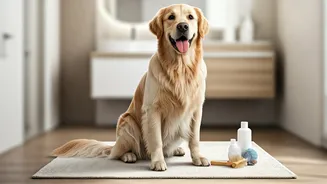

1. Defend Against Skin Infections
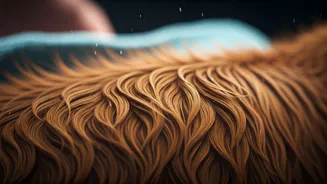
A dog’s dense coat, whether long or short, can trap moisture against the skin for hours. This warm, damp environment is the perfect breeding ground for bacteria and yeast. The result? Painful skin irritations known as acute moist dermatitis, or “hot spots.”
These red, inflamed, and often oozy lesions can appear seemingly overnight and are incredibly uncomfortable for your dog. A perpetually damp coat can also trigger or worsen chronic yeast infections, leading to incessant itching, a musty odor, and skin discoloration. Thoroughly drying your dog after every wet walk, paying special attention to the undercoat and areas like the armpits and groin, is your first line of defense in keeping their skin healthy and balanced.
2. Prioritize Paw and Pad Health
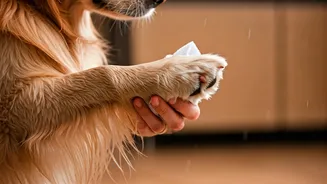
Paws are your dog’s direct connection to the wet, muddy world. Prolonged exposure to moisture can soften their paw pads, making them more susceptible to cuts, scrapes, and punctures. Even worse, the spaces between their toes can trap water and debris, creating an ideal spot for fungal and bacterial infections to fester. You might notice your dog obsessively licking their paws, a classic sign of irritation. After a rainy walk, make it a habit to not just wipe but gently clean and dry between each toe and pad. A quick inspection for thorns, small rocks, or other debris that may have been picked up in the mud can prevent a minor issue from becoming a painful abscess.
3. Master the Art of the Dry-Off
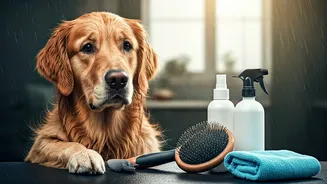
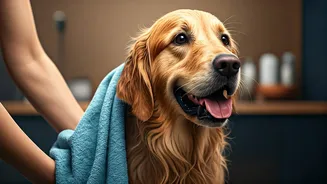
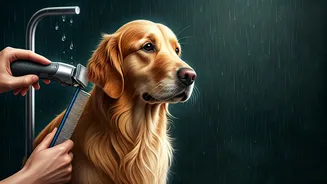
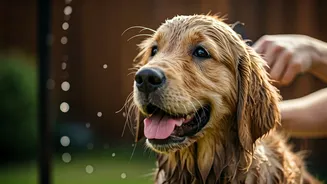
A quick once-over with a bath towel often isn't enough, especially for dogs with thick double coats. The surface fur might feel dry, but moisture can remain trapped deep within the undercoat. Invest in a few highly absorbent microfiber pet towels, which are far more effective at wicking away water. For long-haired breeds, a pet-specific blow dryer on a low-heat, low-speed setting can be a game-changer. Always keep the dryer moving and hold it several inches from the skin to prevent burns. The goal is to get your pet completely dry, from the tips of their ears to the base of their tail. This small investment of time prevents the dampness that fuels skin problems.
4. Guard Against Environmental Hazards
Rainy weather creates an environment where certain parasites and pathogens flourish. Puddles of standing water can be contaminated with bacteria or parasites like Giardia and Leptospira, which can cause severe gastrointestinal and systemic illness if ingested. Muddy, damp soil is also a favorite habitat for fleas and ticks looking to latch onto a passing host. While a good grooming routine won't prevent ingestion, it provides a crucial opportunity to inspect your dog’s coat and skin for ticks that may have hitched a ride. A clean, dry dog is also less likely to bring these unwanted passengers into your home.
5. Use Protective Gear Strategically
Preventing your dog from getting soaked in the first place is the easiest path to protection. Once seen as a novelty, dog raincoats and boots are now recognized as essential pieces of functional gear. A waterproof jacket can dramatically reduce the amount of drying you need to do, protecting the largest surface area of your dog’s body. For dogs with sensitive paws or who will be walking on rough urban pavement, waterproof booties offer an excellent barrier against both moisture and abrasive surfaces. They keep paws dry, clean, and safe from irritants. Think of this gear not as a fashion statement, but as a practical part of your pet’s rainy-day safety toolkit.