





Never Trust a Perfect Forecast
The biggest mistake a hiker can make in the Northeast is trusting the weather forecast from the parking lot. A sunny, 75-degree day in a valley town like North Conway, New Hampshire, can be a freezing, 40-degree gale with blinding rain just a few thousand
feet higher on Mount Washington. This isn't an exaggeration; it’s a fundamental reality of mountain microclimates. The higher you climb, especially above the treeline, the more you are exposed to entirely different weather systems. The weather you start in is rarely the weather you finish in. Mountain ranges create their own weather. Warm, moist air is forced upward, where it cools, condenses, and forms clouds, rain, or even snow—sometimes in the middle of August. This is why official sources like the Mount Washington Observatory and the Adirondack Mountain Club constantly warn hikers to check multiple, mountain-specific forecasts before they go and to be prepared for conditions to be far worse than predicted.
Dress in Layers, Not in Cotton
Your clothing is your first line of defense against the elements, and in the Northeast, the golden rule is: cotton kills. When cotton gets wet from rain or sweat, it loses all insulating properties and actively pulls heat away from your body, rapidly increasing the risk of hypothermia. Instead, a weather-smart traveler dresses in layers of synthetic materials or wool. Start with a moisture-wicking base layer that pulls sweat off your skin. Add a fleece or light puffy jacket as a mid-layer for insulation. Finally, carry a non-negotiable outer shell that is both waterproof and windproof. This system allows you to add or remove layers as your body temperature and the conditions change. You might start a hike in a t-shirt, add a fleece as you gain elevation and the wind picks up, and then put on your rain jacket when a sudden shower rolls in. This adaptability is the key to staying comfortable and, more importantly, safe.
Pack for the Worst-Case Scenario
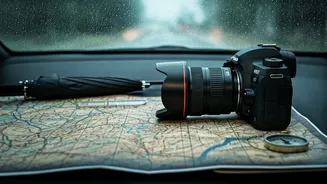
Your daypack shouldn’t just hold your water and snacks; it should contain the tools to save your life if something goes wrong. Hiking organizations advocate for carrying the “Ten Essentials,” a checklist of gear that prepares you for an unexpected night in the woods. For the Northeast, some items are particularly critical. A quality rain jacket and rain pants are non-negotiable, even if there’s no rain in the forecast. Extra insulating layers beyond what you think you’ll need are a must. A headlamp or flashlight with extra batteries is crucial, as many rescues are for hikers who underestimated their timing and got caught by darkness. Ample food and water, a physical map and compass (and the knowledge to use them), a first-aid kit, and a fire starter round out the kit. It may seem like overkill for a “day hike,” but if you twist an ankle or get disoriented, this gear is your lifeline until help arrives.
Have the Humility to Turn Back
One of the most important skills a hiker can possess is knowing when to abandon a goal. “Summit fever”—the relentless drive to reach the top no matter the cost—is a documented cause of mountain accidents. Before you even start, decide on a firm turnaround time. This is a time of day (say, 2 p.m.) by which you will turn around and head back to the trailhead, regardless of how close you are to the summit. This ensures you have plenty of daylight to descend safely. More importantly, listen to the mountain. If the weather deteriorates, if the wind becomes dangerously strong, or if a member of your party is struggling, the smart and safe decision is to turn back. The mountain will still be there tomorrow. The goal of any hike is not to conquer a summit, but to return home safely. That mindset requires humility, respect for the environment, and the wisdom to prioritize safety over ego.