





The Allure of the Downpour
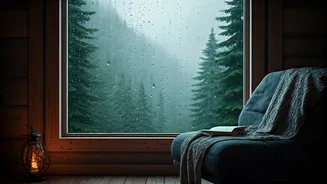
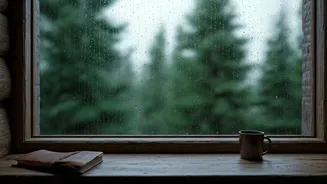
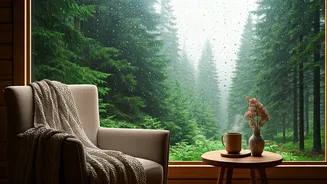
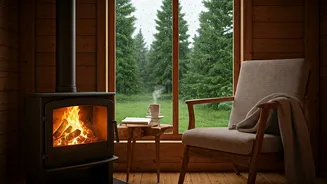
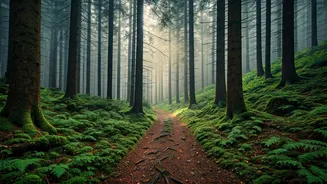
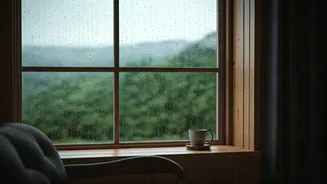
Imagine a cabin tucked deep in the temperate rainforest of Washington’s Olympic Peninsula. A fire crackles in the hearth, illuminating two mugs of steaming coffee. Outside, a persistent drizzle patters against the windows and roof, turning the dense canopy
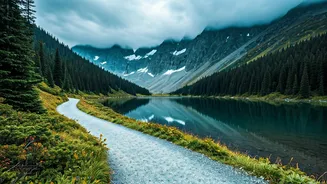
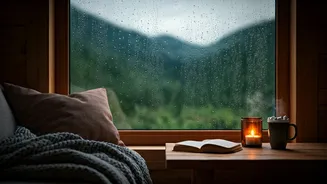
of fir and moss-draped maple into a watercolor of deep greens and grays. This isn't a vacation ruined by bad weather; this is the vacation. Welcome to the world of “pluviophile travel,” a niche but growing trend where travelers—especially couples—are chasing storms instead of sun. They are swapping swimsuits for wool blankets and booking getaways to destinations not in spite of the rain, but because of it. The appeal is deeply sensory. It’s the earthy smell of petrichor—the scent of rain hitting dry soil. It’s the percussive rhythm of a downpour on a tin roof, a natural white noise machine that encourages deep rest. It's the visual drama of clouds rolling over a Scottish loch or mist clinging to the cliffs of the Oregon coast. In a world obsessed with optimizing every moment, the rain provides a natural, unforced excuse to slow down.
From Sun-Chasers to Storm-Seekers
For decades, the ideal vacation has been marketed as an escape to perpetual sunshine. This created a kind of travel anxiety: the pressure to have a perfect trip, validated by sun-drenched photos. A single cloudy day could feel like a failure. The embrace of rainy retreats represents a quiet rebellion against that pressure. It’s a shift toward atmospheric travel, where the mood of a place is as important as the activities it offers. This trend taps into broader cultural movements toward wellness, mindfulness, and authenticity. A rainy day removes the obligation to *do* things. There’s no packed itinerary of sightseeing, no fear of missing out on beach time. Instead, the focus shifts inward—to reading, talking, cooking a slow meal together, or simply watching the weather unfold. It’s a forced digital detox and a reconnection with the natural world in its most dramatic, uncurated state. Psychologically, it mirrors the appeal of the Danish concept of *hygge*—finding contentment and coziness in simple, comforting things. A rainy retreat is hygge in travel form.
The Anatomy of a Perfect Rain Retreat
Not just any damp locale will do. The perfect rain retreat is a carefully calibrated experience, blending a dramatic natural setting with a supremely cozy shelter. The essential ingredient is a structure that feels like a sanctuary against the elements. Think remote cabins with large picture windows, seaside cottages with sturdy walls, or elegant lodges with grand stone fireplaces. The view is paramount. Couples want to feel immersed in the landscape while remaining warm and dry, creating a powerful sense of shelter and intimacy. Amenities are curated to enhance the cozy, introspective vibe. A deep soaking tub or an outdoor hot tub shielded from the rain offers a luxurious way to enjoy the cool, misty air. A well-stocked bookshelf, a record player, or a high-quality sound system for playing ambient music replaces the television as the room's focal point. Kitchens are often designed for leisurely cooking, encouraging couples to spend the day preparing a comforting stew or baking bread. It’s less about a hotel room and more about a temporary home designed for hibernation.
Where the Clouds Gather
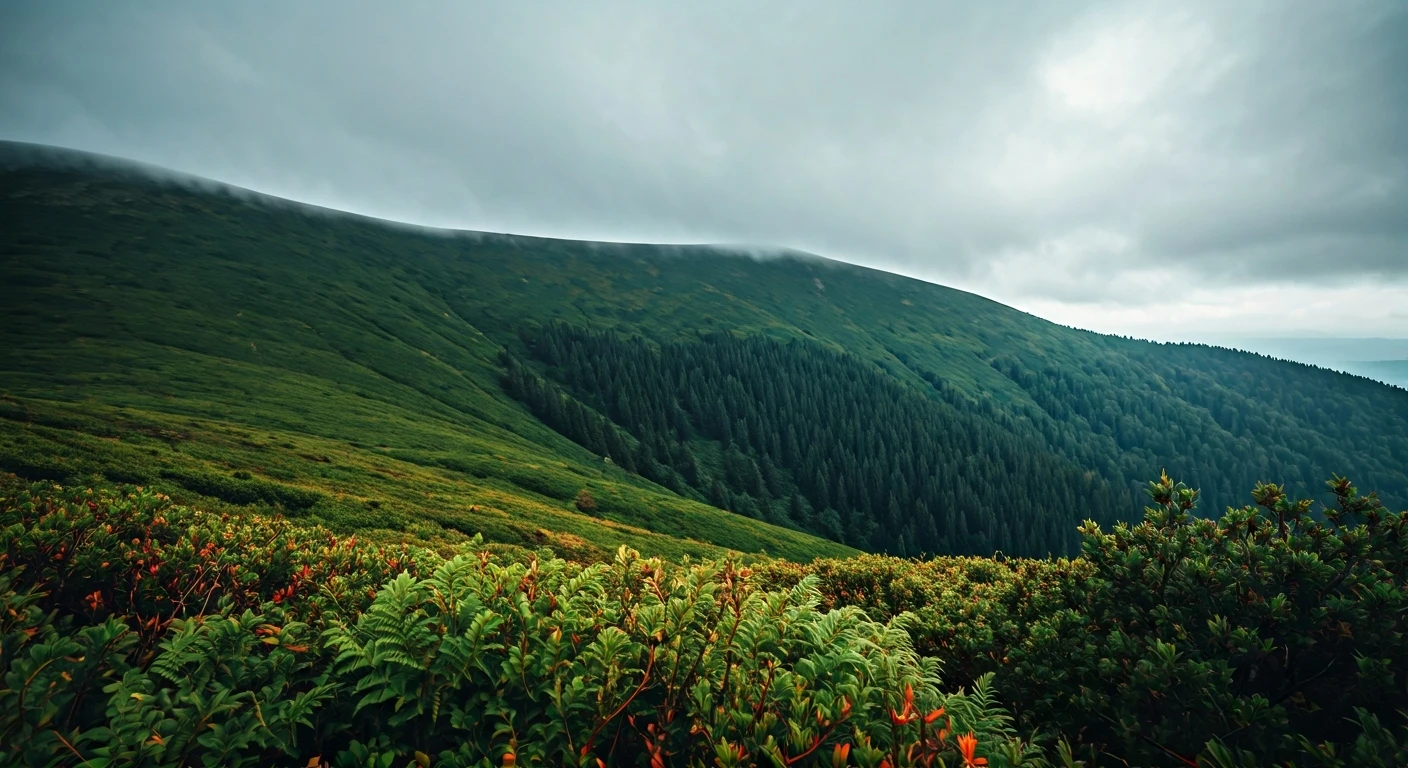
While you won't find many destinations advertising "Monsoon Packages," some regions have become de facto hubs for this brand of moody tourism. The Pacific Northwest is the undisputed champion in the U.S. Places like Forks, Washington (of *Twilight* fame), the San Juan Islands, and the entire Oregon Coast offer a perfect combination of dramatic, rain-swept scenery and a deeply ingrained cabin culture. In the Northeast, the coast of Maine in the fall and early spring provides a similar appeal, with stormy Atlantic views and charming, historic inns. Internationally, travelers are drawn to the famously green and damp landscapes of Ireland and Scotland. Renting a cottage in the Scottish Highlands or near the Cliffs of Moher during the off-season offers an authentic experience of the very weather that has shaped the region's culture and folklore for centuries. The key isn't to find the rainiest place on Earth, but a place where rain enhances, rather than hides, its inherent beauty.