


Beyond the Pan-Indian Buffet
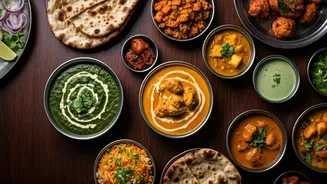
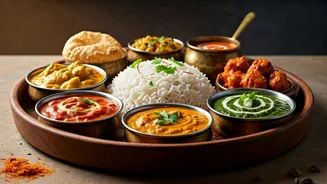
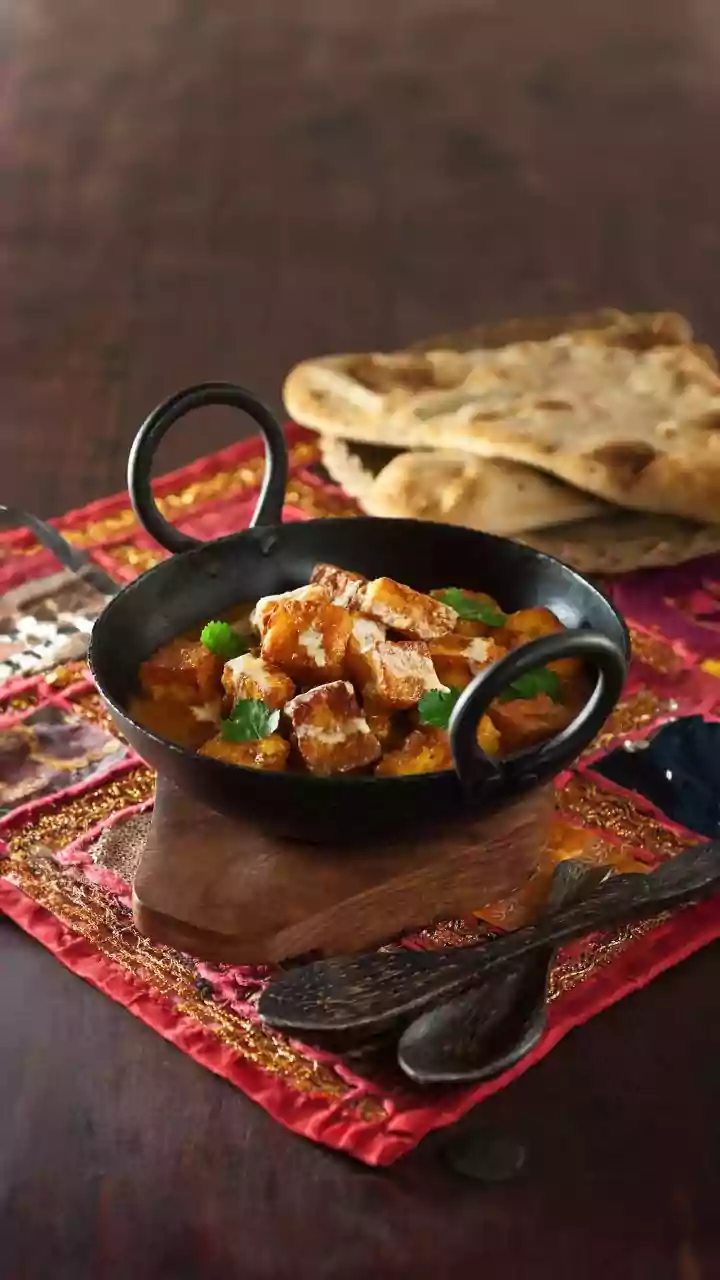
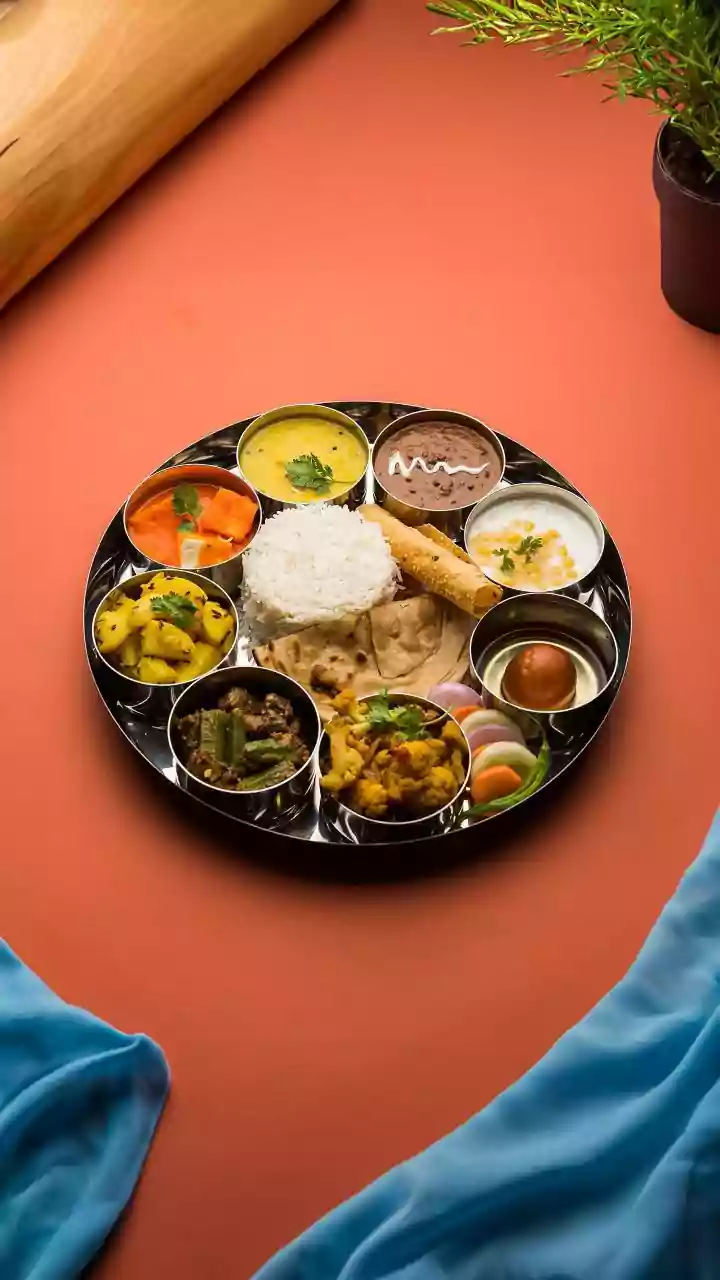
For decades, the perception of Indian food in the U.S. was largely defined by a standardized, Northern-influenced menu: chicken tikka masala, naan, and saag paneer. While delicious, this representation simplified a subcontinent of staggering culinary
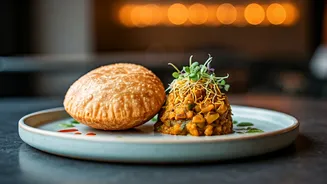
diversity. The new movement in American fine dining is about dismantling that monolith. Chefs are now championing the specific flavors of their heritage, whether it's the coastal seafood traditions of Goa, the rustic heat of Tamil Nadu, or the complex vegetarian cooking of Gujarat. This isn't just about better ingredients; it's about better storytelling. Each dish is a lesson in geography and history, served on a plate. The focus is on precision, technique, and a radical commitment to flavors that were once deemed too “ethnic” or challenging for a high-end American audience.
The Michelin-Starred Movement
Nothing signals a shift in the culinary world quite like critical acclaim. The success of chef Chintan Pandya and his Unapologetic Foods restaurant group in New York City is perhaps the most visible sign of this trend. His restaurant Dhamaka, which celebrates the rustic, provincial cooking of the Indian countryside, was an instant sensation. But it was his southern Indian restaurant, Semma, that truly broke the ceiling, earning a Michelin star for its uncompromisingly bold flavors—a first for a U.S. Indian restaurant. Semma’s menu features dishes like nathai pirattal (snails with tamarind and ginger) and meen pollichathu (banana leaf-wrapped fish), showcasing ingredients and preparations rarely seen in the West. Pandya’s success proves that diners are not just ready for authentic Indian food; they are willing to pay a premium for it when it’s executed with artistry and vision.
The Spice Rack, Reimagined
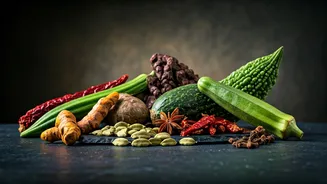
This new wave is also a masterclass in the Indian pantry. While turmeric and cumin remain staples, chefs are highlighting lesser-known ingredients that provide unique layers of flavor. Take kokum, a sour, dark purple fruit from India’s west coast, which adds a tartness to curries without the sharpness of vinegar or lime. Asafoetida, or hing, a pungent resin with an onion-and-garlic-like funk, is used to build a savory base in vegetarian dishes. Amchur, a powder made from dried green mangoes, delivers a tangy kick. Vegetables like moringa (drumstick), once relegated to home kitchens, are now appearing in elegant preparations. By putting these ingredients front and center, chefs are educating American palates and expanding the very definition of what a “luxury” ingredient can be. It’s not about truffle oil or caviar; it's about the perfect, sun-dried chili or the freshest stone-ground spice.
A Recipe of Culture and Confidence
So, why is this happening now? It’s a confluence of factors. A new generation of Indian-American chefs, many of whom grew up navigating two cultures, now has the confidence and platform to cook the food of their ancestors without apology or dilution. They are no longer catering to a perceived Western palate that needs taming. Simultaneously, American diners have become more adventurous, spurred by travel, food media, and a general curiosity for bold, new experiences. The pandemic also played a role, accelerating a desire for comfort food that is both nourishing and emotionally resonant. This movement is a rejection of the old culinary hierarchy, where French technique was the default standard for “fine dining.” It’s a declaration that the complex, time-honored traditions of the Indian subcontinent deserve the same level of respect, attention, and admiration.