

The Original All-in-One Meal
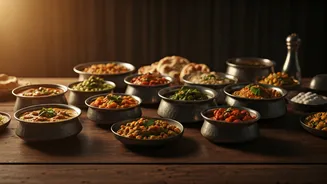
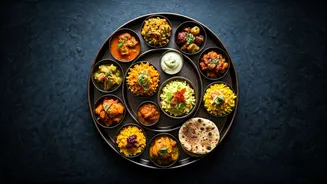
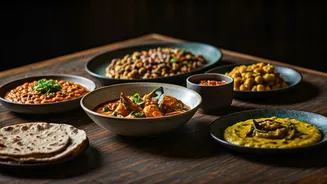
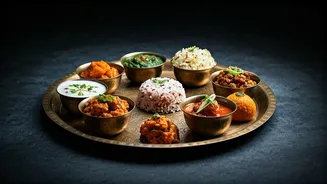
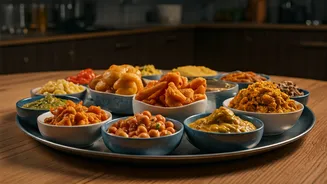
For the uninitiated, a thali is the ultimate expression of Indian cuisine’s philosophy of balance. Served on a large platter (the thali itself), it features a collection of small bowls called katoris, each holding a different component of the meal. It’s
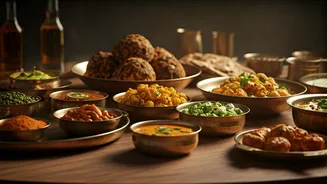
a complete feast for one, designed to hit all six tastes recognized in Ayurveda: sweet, sour, salty, bitter, pungent, and astringent. A typical North Indian thali might include a dal (lentils), a vegetable curry, a paneer dish, raita (yogurt), rice, and bread like naan or roti, with a small sweet for dessert. In the south, you might find sambar, rasam, and various coconut-based vegetable preparations. It’s not just a meal; it’s a perfectly curated, self-contained culinary universe, a testament to regional diversity and time-honored tradition.
Enter the Culinary Experiment
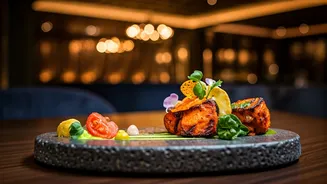
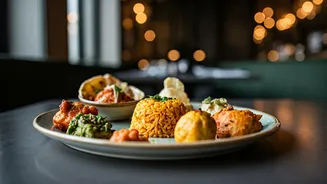
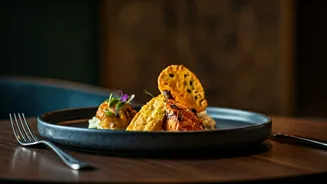
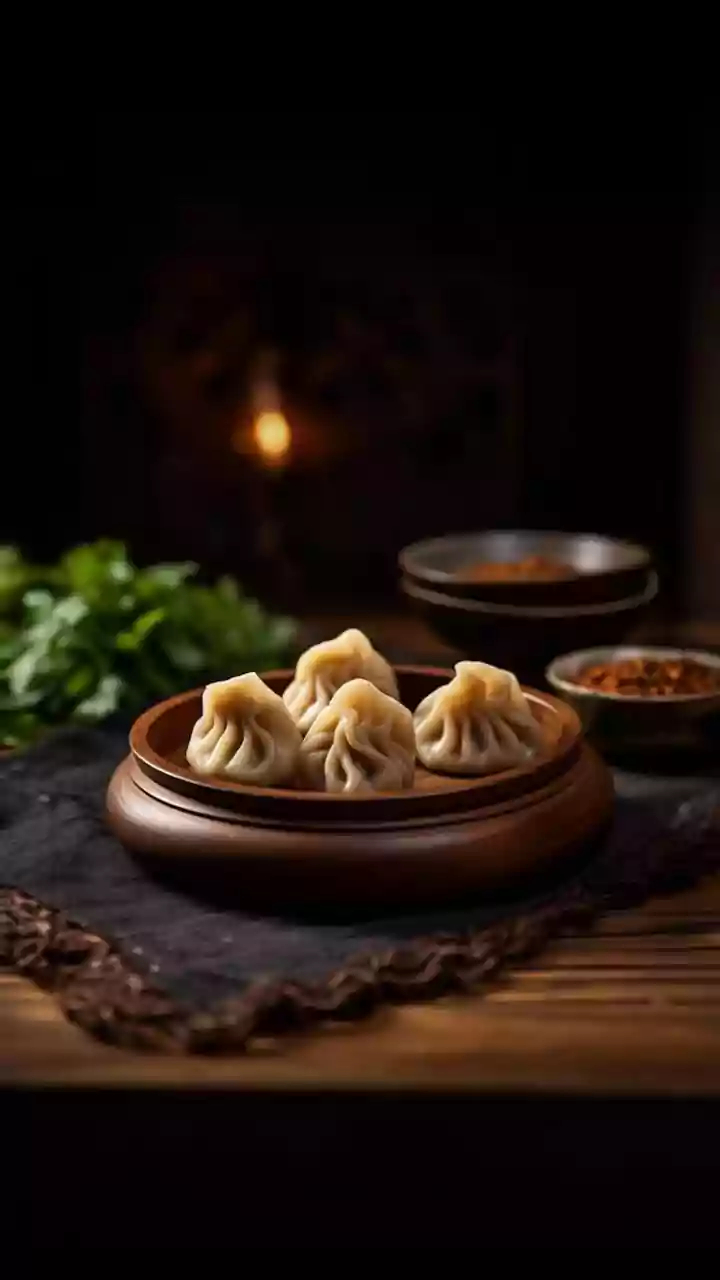
So, what happens when you take this iconic, rule-bound platter and give it to a new generation of chefs who grew up with both global food trends and a deep love for their heritage? You get the fusion thali. This isn’t just about adding a random non-Indian dish to the plate. It's a complete reimagining of the format. A fusion thali might take the structure—the platter, the small bowls—but fill it with something entirely unexpected. It could be a deconstruction of a single Indian dish, with each element presented separately, or a bold mashup of Indian flavors with international cuisines. The goal is to surprise, delight, and challenge the diner's perception of what an Indian meal can be, turning a familiar comfort food into a cutting-edge dining experience.
Tacos, Pasta, and Deconstructed Biryani
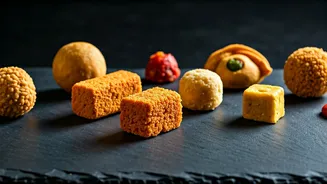
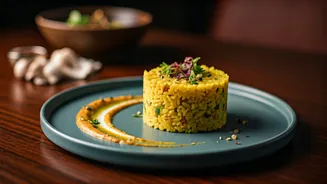
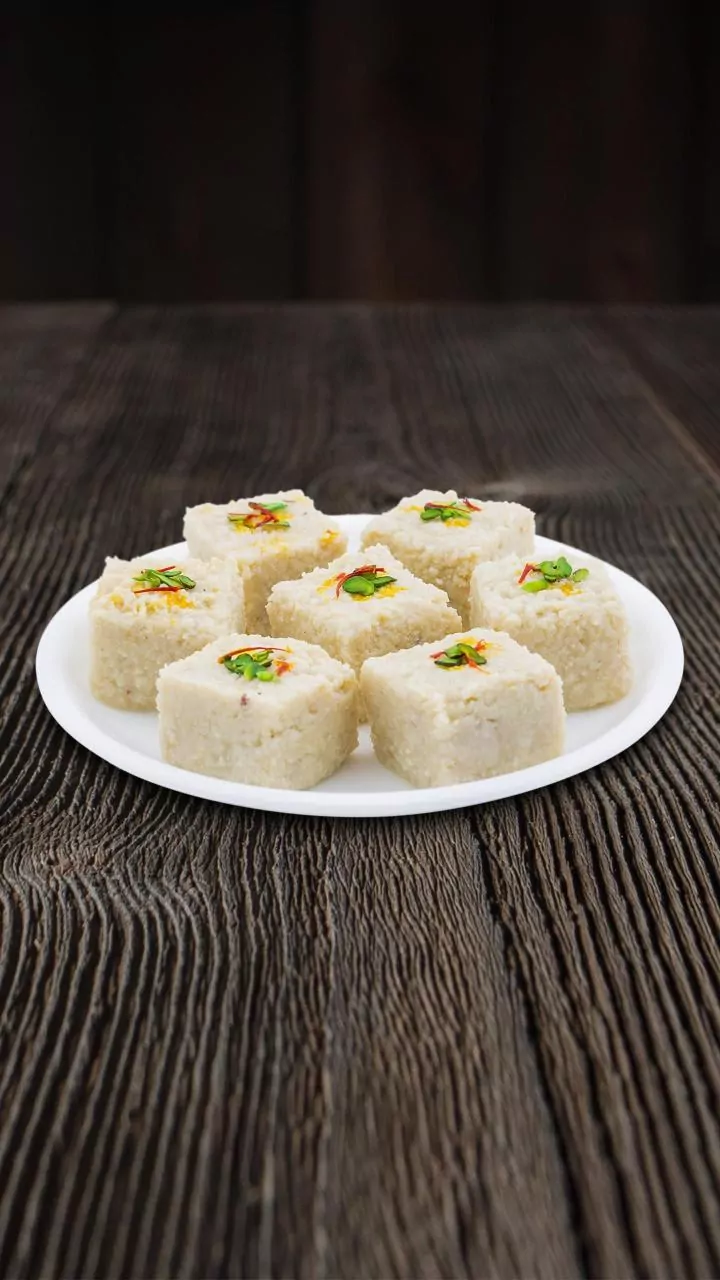
The creativity on display is staggering. In restaurants across Mumbai, Delhi, and even New York, you can find thalis that read like a world atlas. Imagine a Mexican-inspired thali where katoris are filled with bean chili, guacamole, salsa, and sour cream, served alongside mini tortillas instead of roti. Or an Italian version featuring small portions of pesto pasta, arrabbiata-style vegetables, and a tiramisu shooter for dessert. The fusion works within Indian cuisine as well. Some chefs create avant-garde thalis where a single concept, like biryani, is broken down into its components: one bowl for the spiced rice, another for the marinated meat or vegetables, a third for the fried onions, and a fourth for the cooling raita. There are even all-dessert thalis, offering a dozen miniature Indian sweets, from gulab jamun cheesecake to saffron-cardamom macarons.
A Plate Reflecting Modern India
This trend is more than just a culinary gimmick; it’s a reflection of modern India itself. It speaks to a new confidence among chefs who are globally trained but deeply connected to their roots. They are no longer content to just replicate old recipes; they want to innovate and put their own stamp on tradition. The rise of the fusion thali also mirrors the tastes of a young, urban Indian diner who is well-traveled, digitally savvy, and hungry for novelty. In the age of Instagram, the visual appeal of a colorful, eclectic thali is undeniable. It's a shareable, photographable, and conversational meal. Ultimately, the fusion thali is a conversation on a plate—a dialogue between the past and the future, the local and the global, proving that tradition isn’t a static monument but a living, evolving language.