






The Comfort of the Cookie-Cutter
Let’s be honest: there's an undeniable appeal to the modern resort. You know what you're getting. The rooms will have air conditioning, the pool will be chlorinated to a familiar blue, and the breakfast buffet will feature a sprawling, international-friendly
assembly line of pastries and eggs. It’s a frictionless experience designed to remove all doubt and discomfort. For travelers juggling family logistics or seeking a pure, sun-drenched escape with no surprises, the generic resort serves a purpose. It promises relaxation through predictability, offering a hermetically sealed environment where the outside world, with all its beautiful complexities, is kept at a comfortable distance.
Waking Up to Authenticity
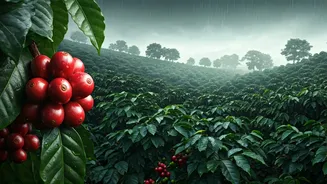
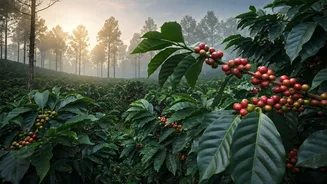
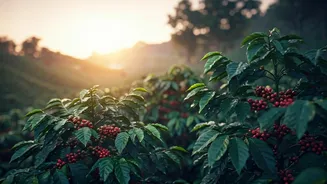
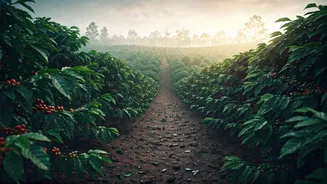
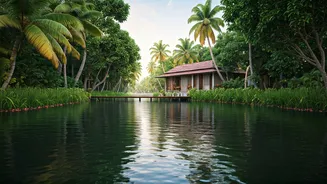
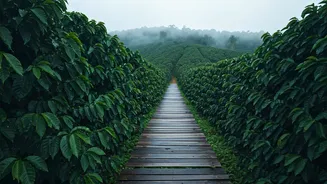
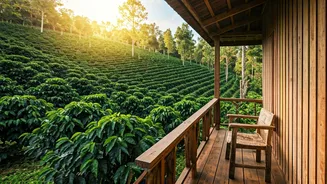
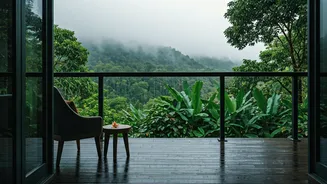
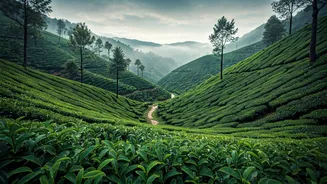
Now, imagine a different morning. Instead of the hum of an HVAC unit, your alarm is the sound of a Malabar whistling thrush. You open your eyes not to a standardized art print, but to a window framing rolling hills blanketed in a pre-dawn mist, the air thick with the scent of damp earth and coffee blossoms. This is the essence of a Coorg coffee stay. These are not hotels; they are homes. Often managed by the families who have cultivated the surrounding coffee and spice plantations for generations, these stays trade infinity pools for verandas with infinite views. The luxury here isn’t about thread count or butler service; it’s about access—access to a rhythm of life that is quiet, connected to the land, and refreshingly real.
Beyond the Breakfast Buffet
The difference is perhaps most profound at the dinner table. A resort buffet aims to please everyone and, in doing so, often excites no one. It’s a culinary landscape of compromise. At a coffee estate homestay, you eat what the family eats. You’re treated to hyper-local Kodava cuisine, a distinct culinary tradition shaped by the region’s produce and history. You might have pandi curry (a rich, dark pork dish), akki rotti (rice-flour flatbreads), and chutneys made from ingredients picked just yards from your room. Every meal is a story, a direct connection to the culture and agriculture of the place you’ve chosen to visit. It’s the difference between consuming food and experiencing a cuisine.
A Human Connection
In a large resort, staff interactions are professional, polite, and transactional by design. You are a guest, a room number. At a coffee stay, you are often a visitor in someone’s ancestral home. The host who pours your morning coffee is also the person who can walk you through the estate, explaining the difference between Arabica and Robusta beans, pointing out pepper vines snaking up silver oak trees, and sharing stories of the plantation’s history. This isn't a scripted tour; it's a conversation. This shift from anonymous guest to welcomed visitor transforms a simple vacation into a cultural exchange, creating memories rooted in genuine human connection rather than manufactured resort activities.
A Vote for a Lighter Footprint
Finally, the choice between a sprawling resort and a family-run estate is an economic and environmental one. Large-scale resort development in ecologically sensitive areas like Coorg can strain water resources, disrupt wildlife corridors, and siphon tourism revenue away from local communities. Supporting a coffee stay, by contrast, is a form of agri-tourism that directly benefits the families who are the primary stewards of the land. It provides them with a diversified income, giving them an economic incentive to preserve the very landscape and biodiversity that makes the region so special. Your travel dollars become a direct investment in cultural and environmental preservation.