



The Allure of the 'Sexy' Solution
Let’s be honest: portion control has a major branding problem. It doesn’t have a celebrity spokesperson, a slick app with a subscription fee, or a line of expensive, pre-packaged meals. It can’t compete with the dramatic narratives of intermittent fasting,
the tribal identity of the carnivore diet, or the radical transformation promised by a 10-day juice cleanse. Those approaches are exciting. They feel like you’re taking drastic, decisive action. They offer a complete system, a set of rules that promises a total overhaul. We love a good 'before and after' story, and extreme diets provide the perfect plot. Portion control, by comparison, feels like homework. It’s the nutritional equivalent of being told to 'save for retirement' when you’d rather buy a sports car. It doesn't promise to 'bio-hack' your metabolism or 'detoxify' your organs. It just asks you to do something fundamentally simple: eat a little bit less. In a culture that values novelty and intensity, this quiet, consistent approach gets drowned out by louder, more exciting promises.
So, What Is It Really?
Part of the problem is a misunderstanding of what portion control even is. For many, the phrase conjures images of sad, tiny meals served on dollhouse plates—a life of perpetual hunger and deprivation. But that’s a caricature. True portion control isn’t about starvation; it’s about awareness. It’s the practice of understanding and managing the amount of food you eat to align with your body’s actual energy needs. It’s the difference between eating a recommended serving of pasta and eating half the box just because it’s there.
It’s about recognizing that restaurant serving sizes have ballooned over the past few decades, distorting our perception of what a 'normal' meal looks like. A bagel today is often double the size it was 30 years ago. A single plate of pasta at many American restaurants can contain four or more official servings. Portion control is simply the act of recalibrating your own internal gauge to reflect reality, not restaurant-driven excess.
The Undeniable, Simple Science
Here’s where our unsexy hero reveals its superpower: it works because it adheres to the most fundamental principle of weight management—energy balance. Stripped of all the jargon, managing your weight is about the relationship between the calories you consume and the calories you burn. If you consistently consume more energy than your body uses, you will gain weight. If you consistently consume less, you will lose weight. It’s the First Law of Thermodynamics, applied to your lunch.
Every fad diet, from Atkins to Paleo to Keto, ultimately works by creating a calorie deficit, whether it’s by eliminating entire food groups (carbs, for example) or restricting eating windows. They are all just complicated back-door routes to the same destination. Portion control is the front door. It doesn’t forbid any foods. It doesn’t require you to eat like a caveman or survive on cabbage soup. It simply asks you to manage the 'calories in' side of the equation directly, giving you freedom and flexibility that restrictive diets can’t offer.
Putting the Hero to Work
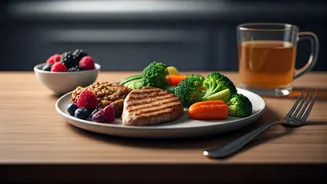
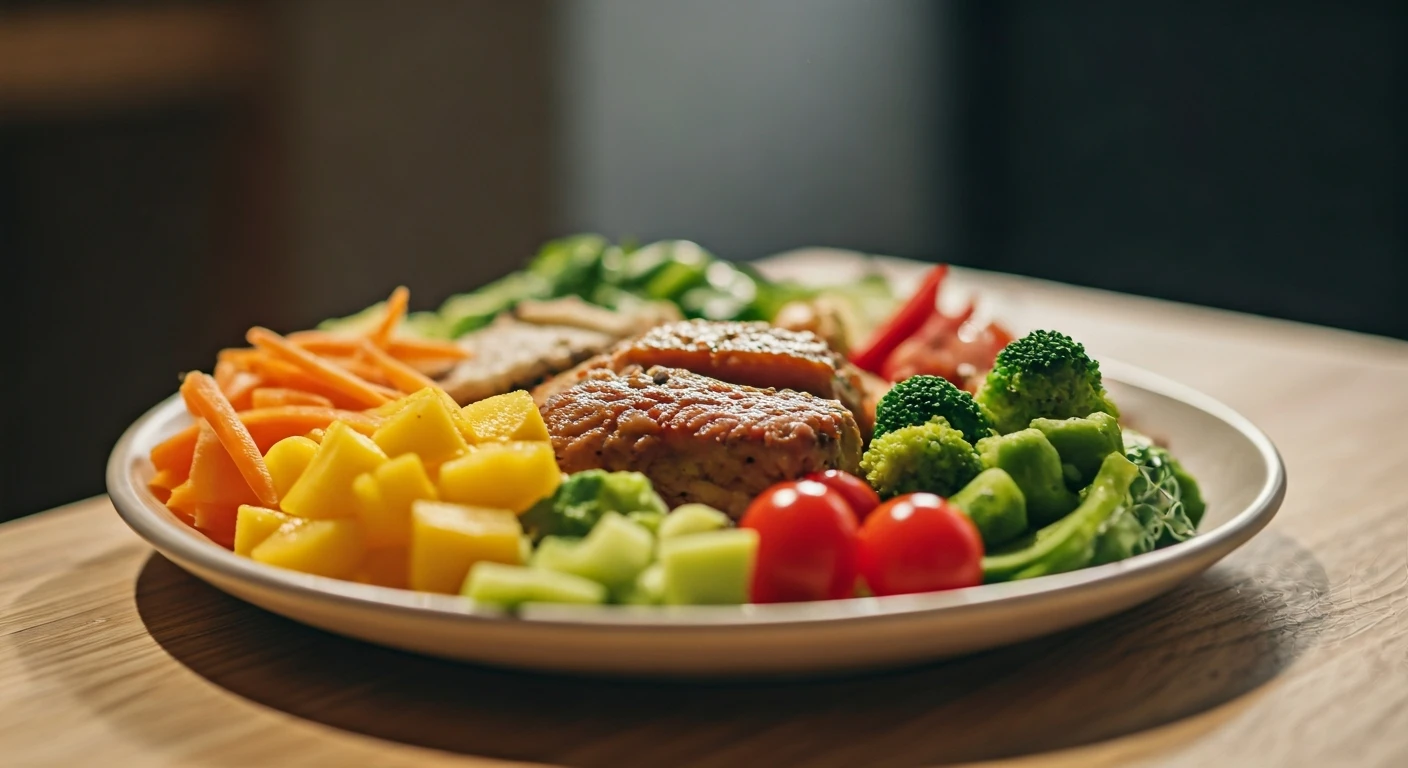
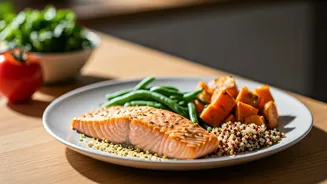
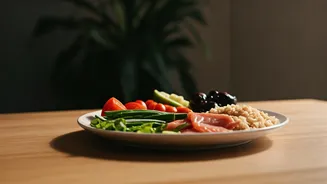
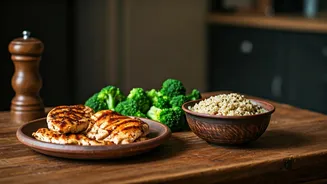
Embracing portion control doesn’t require a complete life overhaul. It starts with small, manageable adjustments. Use a smaller plate for dinner; studies show this simple trick can lead you to serve yourself less food without feeling deprived. When you’re snacking on chips or nuts, put a serving in a bowl instead of eating directly from the bag. At restaurants, ask for a to-go box when your meal arrives and immediately pack up half of it for later. Learn to eyeball serving sizes using your hand as a guide: a deck of cards for a serving of meat, your fist for a cup of rice or pasta, a cupped hand for a serving of nuts. These aren't rigid rules but helpful guidelines to build a better sense of mindfulness around how much you're actually eating.