

Bhut Jolokia: The Legendary Ghost Pepper
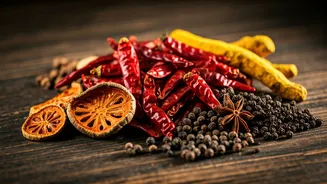
Let’s get the famous one out of the way. The Bhut Jolokia, or ghost pepper, held the Guinness World Record for the world's hottest chili for years. But in Assam, it’s not a frat-house challenge; it's a respected ingredient. Used sparingly, its intense,
blistering heat is matched by a surprisingly fruity, almost smoky flavor. A tiny sliver dropped into a simmering pot of pork curry or lentils (dal) imparts a profound warmth and complexity. In village homes, it's often pickled in mustard oil or eaten fresh with a simple meal of rice and salt. For the American kitchen, a pinch of dried ghost pepper powder can elevate a pot of chili or a batch of spicy mayo from merely hot to genuinely interesting. Just remember: a little goes a very, very long way.
Thekera Tenga: The Tangy, Healthy Sour Agent
Long before kombucha was a wellness trend, Assamese cooks were using fermented and dried ingredients for flavor and health. Thekera Tenga is the dried rind of the Garcinia pedunculata fruit, a relative of mangosteen. It's the secret behind Assam's signature sour curry, Masor Tenga. Unlike the sharp acidity of lemon or the fruity tang of tamarind, Thekera Tenga provides a deep, mellow sourness that’s both refreshing and complex. To use it, you simply soak a few dried pieces in warm water and add them, along with the soaking liquid, to fish or lentil curries. It not only tenderizes the protein but also imparts a distinctive tang that defines the region’s cuisine. It’s a game-changer for anyone who loves sour flavors but wants to move beyond citrus.
Kaji Nemu: The Aromatic Assam Lemon
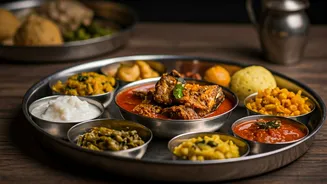
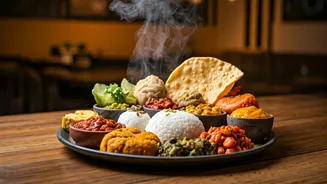
This isn't your average lemon. The Kaji Nemu is an oblong, powerfully fragrant lime unique to the region. Its value lies less in its juice and more in its intoxicating aroma, a quality so prized that a simple squeeze over a finished dish is considered a crucial final step. The zest and scent are more floral and herbaceous than a typical lime. In Assam, a wedge of Kaji Nemu is always served alongside a thali (a platter of food). Diners squeeze it over their dal, vegetables, and fish, releasing its bright, clean perfume just before eating. It transforms a meal from great to unforgettable. Try adding a squeeze to a gin and tonic or over a piece of grilled fish to understand its fragrant magic.
Khar: The Unique Alkaline Ingredient
This is perhaps the most uniquely Assamese ingredient of all. Khar is not a spice in the traditional sense, but an alkaline liquid or powder that forms the basis of an entire category of dishes. Traditionally, it’s made by filtering water through the ashes of a dried banana peel, creating a mineral-rich, savory solution. This liquid is then used as the cooking base for dishes like Papaya Khar, where it tenderizes green papaya and imparts a distinct, earthy, and slightly pungent flavor that is impossible to replicate. It cleanses the palate and is believed to have digestive properties. While making it from scratch is a project, you can find powdered versions online. It adds a savory, almost umami-like quality that brings a truly authentic taste of Assam to your kitchen.
Manimuni: The Healthy, Earthy Herb
Known in the U.S. as Asiatic Pennywort or Gotu Kola, Manimuni is treated as both food and medicine in Assam. This small, leafy green grows wild in damp areas and is revered for its supposed cognitive and healing benefits. But it's also a culinary staple. The flavor is mildly bitter and earthy, a bit like a more robust parsley or watercress. It's often ground into a chutney with garlic and chili or lightly sautéed as a side dish (xaak). One of the most popular preparations is a light, restorative fish curry made with Manimuni paste, which gives the dish a beautiful green hue and a clean, herbaceous flavor. For a simple taste, try blending it into a green smoothie or making a pesto with it for a nutrient-packed, Assamese-inspired twist.