






Understanding the Monsoon's Grip
When travel brochures talk about “persistent showers” in the Andamans, it’s important to understand the scale. The islands experience two monsoons: the main southwest monsoon from May to September, and the northeast monsoon from October to December. This
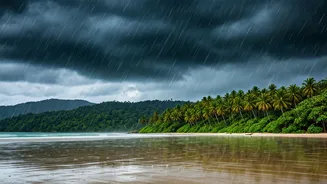
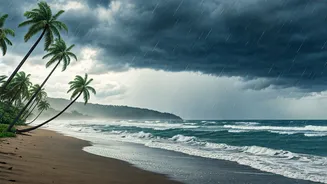
isn't your average tropical afternoon downpour that clears in an hour. This is the real deal. Expect days of steady, sometimes torrential, rain, high humidity that hangs heavy in the air, and skies that trade their brilliant blue for a dramatic, moody grey. The lush greenery becomes even more vibrant, and the sound of rain is a constant companion. For travelers expecting to spend their days sunbathing and casually strolling between beach shacks, this reality can be a significant shock. The entire rhythm of the islands shifts from a sun-drenched holiday pace to a slower, more contemplative indoor existence.
The Logistical Challenge
This is where “less casual” truly comes into play. The backbone of Andaman travel—the ferry system connecting Port Blair to popular islands like Havelock (Swaraj Dweep) and Neil (Shaheed Dweep)—becomes unreliable. Rough seas can lead to frequent cancellations, sometimes for days at a time. A rigidly planned itinerary can fall apart with one cancelled boat, potentially leaving you stranded on an island or unable to reach your next destination. Many water-based activities, the primary draw for most tourists, are suspended. Dive shops often close for the season, and snorkeling is impractical due to poor visibility and dangerous currents. Even some of the most famous beaches, like Radhanagar Beach, lose their placid, swimmable character. Roads can become muddy and treacherous, and power outages may be more frequent. This isn't a trip you can book on a whim and expect everything to run smoothly; it requires a buffer, flexibility, and a patient mindset.
Finding the Silver Lining
So, is it a complete write-off? Not at all—for the right kind of traveler. The most immediate benefit of monsoon travel is the dramatic drop in crowds. You’ll have vast, rain-swept beaches almost to yourself, offering a sense of solitude and wildness that’s impossible to find in the peak season. The landscape, super-saturated with rain, is breathtakingly beautiful. Waterfalls that are mere trickles in the dry season become powerful cascades, and the rainforests feel more alive than ever. Accommodations and flights are often significantly cheaper, making it a budget-friendly option. This is the time for reading a book on a covered veranda while watching the storm roll in, taking short walks between showers to see the jungle at its most verdant, and experiencing the islands as the locals do—when life slows down and adapts to the weather. It's an introspective, atmospheric experience rather than an action-packed one.
The Monsoon-Ready Traveler
A monsoon trip to the Andamans isn’t for everyone. If your dream vacation is defined by sun-tanning, swimming in calm seas, and a packed schedule of activities, you should aim for the peak season (January to April). However, if you are a photographer seeking dramatic landscapes, a writer looking for quiet inspiration, or a seasoned traveler who values solitude over convenience, the monsoon might be your perfect window. To prepare, pack light, quick-drying clothes and a solid waterproof jacket. Bring waterproof bags for all electronics. A good pair of sturdy, waterproof sandals or shoes is non-negotiable. Most importantly, build extra “buffer days” into your itinerary to account for travel disruptions. Go with the flow, embrace the slower pace, and be prepared to change your plans at a moment's notice. This is travel for the adaptable, not the planner who needs every detail locked in stone.