



Start with the Building Envelope
Before you pick out new paint colors or countertops, think about your home’s “envelope”—the physical barrier between the conditioned interior and the outside world. This includes your walls, roof, and foundation. During a renovation, walls are often opened
up, creating the perfect, cost-effective opportunity to add or upgrade insulation. Proper insulation and air sealing are the unsung heroes of home comfort. They stop drafts, reduce outside noise, and, most importantly, keep your heated or cooled air right where you want it. This single step can dramatically lower your energy bills by reducing the workload on your furnace and air conditioner. Think of it as giving your home a cozy sweater; it’s the foundational move that makes every other efficiency upgrade more effective.
Choose Smarter Windows and Doors
Old, single-pane windows can be a major source of energy loss. If your makeover includes replacing them, opting for modern, double- or triple-pane, ENERGY STAR-rated models is one of the wisest choices you can make. These windows feature advanced coatings and inert gas fills that prevent heat from escaping in the winter and entering in the summer. The result is a more stable indoor temperature and less strain on your HVAC system. It’s not just about function, either. New windows improve curb appeal and can significantly increase your home’s resale value. The same logic applies to exterior doors. A poorly sealed door is like leaving a window open, so choose a well-insulated model with quality weatherstripping to complete your home’s protective seal.
Upgrade Appliances and Lighting
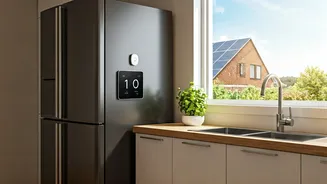
A kitchen or laundry room renovation almost always involves new appliances. This is a golden opportunity to slash your home’s energy consumption. When shopping, look for the blue ENERGY STAR label. These certified appliances—from refrigerators and dishwashers to clothes washers and dryers—are designed to perform the same job using significantly less power and water than their standard counterparts. The same goes for lighting. As you plan your new lighting scheme, make the switch to LED bulbs. They use up to 90% less energy than traditional incandescent bulbs and last up to 25 times longer. It’s a small change during a big project that delivers continuous savings on your electric bill.
Rethink Your HVAC and Water Heater
Your heating, ventilation, and air conditioning (HVAC) system is the heart of your home’s energy use. If your current system is over 15 years old, a renovation is the ideal time to consider a high-efficiency replacement. Modern furnaces, air conditioners, and heat pumps are far more effective and can cut your heating and cooling costs by 20% or more. Similarly, the water heater is another silent energy guzzler. A new, efficient model, especially a tankless (on-demand) water heater, can provide substantial savings. It heats water only when you need it, eliminating the standby energy loss of a traditional tank that constantly keeps dozens of gallons of water hot.
Leverage Rebates and Tax Credits
Making your home more efficient doesn’t just save you money on utility bills; it can also put money back in your pocket upfront. Federal programs, like those expanded under the Inflation Reduction Act, offer significant tax credits for qualifying energy-efficient home improvements, including new windows, doors, insulation, and heat pumps. Many states and local utility companies also offer their own rebates and incentives. Before you begin your project, a quick search on the ENERGY STAR website or your utility provider’s page can reveal programs that lower the initial cost of these upgrades, making an already smart decision an absolute no-brainer. These incentives effectively provide a discount on creating a more comfortable and valuable home.