








What Makes a Jump Rope 'Smart'?
At its core, a smart jump rope does what any good piece of fitness tech does: it tracks your activity. Instead of you counting reps in your head (and inevitably losing track around 50), a smart rope uses sensors in the handles to automatically log every
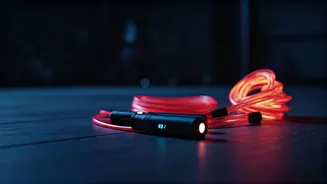
single rotation. This data is typically displayed on a small LED or LCD screen embedded in one of the handles, showing you your jump count, workout duration, and often an estimate of calories burned. The magic lies in its precision and convenience. It transforms a simple, repetitive exercise into a quantifiable achievement, freeing you to focus on your form, speed, and endurance rather than the count.
The Power of Data-Driven Motivation
For many people, the biggest hurdle in fitness isn't the physical effort but the mental game of staying motivated. This is where smart ropes shine. By connecting via Bluetooth to a dedicated smartphone app, they create a detailed log of your workout history. Seeing your progress over time—jumping for longer, hitting higher rep counts, or burning more calories—provides a powerful feedback loop. Many apps gamify the experience with challenges, achievements, and personal bests. You’re no longer just jumping in your garage; you’re competing against your past self, working toward tangible goals that the app helps you set and celebrate.
Guided Workouts and App Integration
The smartest of these ropes go beyond simple tracking. Their companion apps often come loaded with guided workout programs, turning your phone into a virtual personal trainer. These can range from High-Intensity Interval Training (HIIT) sessions that alternate between fast jumping and rest periods, to endurance-building routines and even tutorials on mastering new skills like criss-crosses or double-unders. Some platforms, like those from Crossrope or Tangram, build a community aspect into their apps, allowing you to compete on leaderboards or join fitness challenges with friends and other users, adding a social layer to what is traditionally a solo activity.
Ropeless Mode: The Apartment Dweller's Friend
One of the most practical innovations in this space is the 'ropeless' attachment. Many smart jump ropes come with a pair of short cords with weighted balls on the end that can be swapped in for the traditional rope. These simulate the feel and air resistance of jumping with a real rope without the risk of scuffing floors, knocking over lamps, or tripping in a low-ceilinged room. This feature makes the workout accessible to virtually anyone, anywhere, from a small apartment living room to a hotel room on a business trip. The sensors still count your 'jumps' just as accurately, giving you a full, data-rich cardio session without the spatial constraints.
Are They Worth the Upgrade?
A standard speed rope can cost less than $15, while smart jump ropes typically range from $40 to over $100. So, is the extra cost justified? The answer depends on your fitness personality. If you are a data-driven person who thrives on metrics, progress charts, and digital motivation, a smart rope can be a fantastic investment that keeps you engaged. If you need the flexibility of a ropeless workout for indoor use, it's a game-changer. However, if you're a purist who just wants a simple, effective cardio tool and couldn't care less about tracking every rotation, the classic, inexpensive rope will still get the job done. The 'upgrade' isn't in the physical workout itself—jumping is jumping—but in the tracking, engagement, and motivation that the technology provides.