





What's the Deal with Gut Health?
Think of your gut as a bustling city populated by trillions of microorganisms, collectively known as your microbiome. When this city is in balance, with a diverse population of good bacteria, it helps with everything from digestion and nutrient absorption
to supporting your immune system. But modern life—stress, processed foods, antibiotics—can disrupt this delicate ecosystem. This is where probiotics, which are live beneficial bacteria, come in. Consuming them can help replenish and support the friendly microbes that keep your internal city thriving. While yogurt is a common source, a whole world of powerful, dairy-free, and surprisingly delicious probiotic drinks is waiting to be discovered.
Fermentation: Your Probiotic Factory
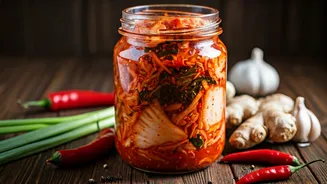
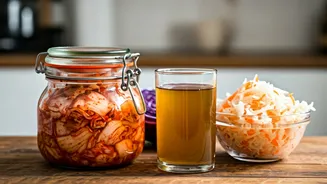
Fermentation is an ancient preservation method that has a fantastic side effect: it creates probiotics. The process is simple alchemy. You combine a vegetable or sweetened liquid with a starter culture (or rely on wild yeasts in the air), and then you let time and microbes do the work. The microorganisms consume the sugars and, in return, produce lactic acid, beneficial enzymes, B vitamins, and, most importantly, billions of probiotic bacteria. Making these tonics at home gives you complete control over the ingredients—no hidden sugars or artificial flavors—and connects you to a tradition that has nourished humans for millennia. It’s cheaper than store-bought options and far more satisfying.
Your First Ferment: Water Kefir
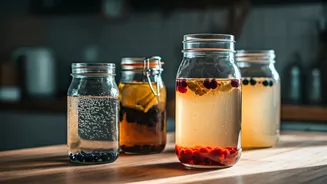
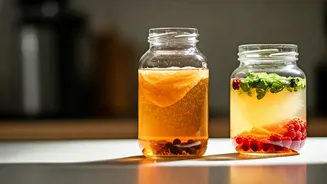
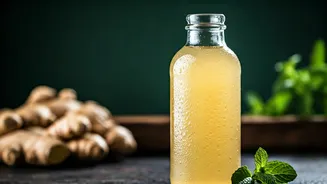
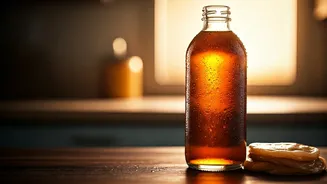
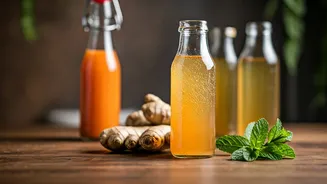
If you imagine a light, less-sweet, and endlessly customizable craft soda, you’re on the right track with water kefir. Unlike its dairy-based cousin (milk kefir), water kefir is made with translucent, gelatinous 'grains' that are actually a symbiotic culture of bacteria and yeast (a SCOBY). They look like little crystals and are incredibly resilient. To start, you’ll need water kefir grains (available online or from a friend), sugar, and non-chlorinated water. Simply dissolve about 1/4 cup of sugar in a quart of water, let it cool to room temperature, add the grains, and cover the jar with a cloth. Let it sit on your counter for 24-48 hours. When it tastes slightly tangy and less sweet, strain out the grains to use for your next batch. The resulting liquid can be flavored with fruit juice or ginger in a second, sealed fermentation to build up a natural fizz. It’s a rewarding and fun entry point into the world of live-culture drinks.
The Easiest Tonic: Beet Kvass
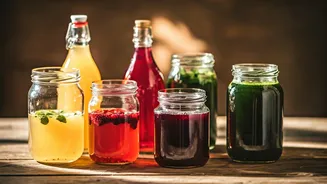
For those who want maximum reward for minimum effort, beet kvass is the answer. This traditional Eastern European tonic is revered for its earthy flavor and vibrant, ruby-red color. It’s what’s known as a 'wild ferment,' meaning you don’t need a special starter culture. The microbes naturally present on the beets and in the air do all the work. Here's how simple it is: chop one or two organic beets into cubes (no need to peel, just wash them well) and place them in a quart-sized glass jar. Add about a tablespoon of sea salt, then fill the jar with non-chlorinated water, leaving an inch of headspace at the top. Cover with a cloth or a loose lid and let it sit at room temperature for three to seven days. You can give it a stir once a day. Soon, you’ll see bubbles and the water will take on a deep color. When it has a pleasantly salty, tangy, and earthy taste, it’s ready. Strain and refrigerate the liquid. You can enjoy it as a small shot or even use it in salad dressings.
A Few Tips for Success
Fermentation can feel intimidating, but it's a very forgiving process. Keep these simple rules in mind. First, cleanliness is key. Always use clean jars and utensils to prevent unwanted mold. Second, let it breathe. During the initial fermentation, cover your jar with a coffee filter or cloth secured with a rubber band. This keeps bugs out while allowing gases to escape. If you're doing a second fermentation in a sealed bottle to build carbonation, be sure to 'burp' it once a day by briefly opening the lid to release pressure. Finally, trust your senses. Your ferment should smell pleasantly sour or tangy. If it smells foul or develops fuzzy, colorful mold, trust your gut—and toss it out. Don't be discouraged; it's all part of the learning process.