


The Reign of the Minimalist Fortress
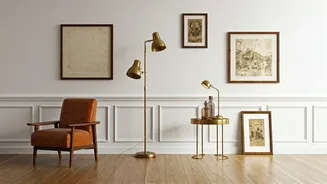
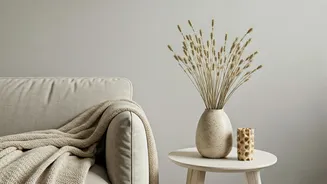
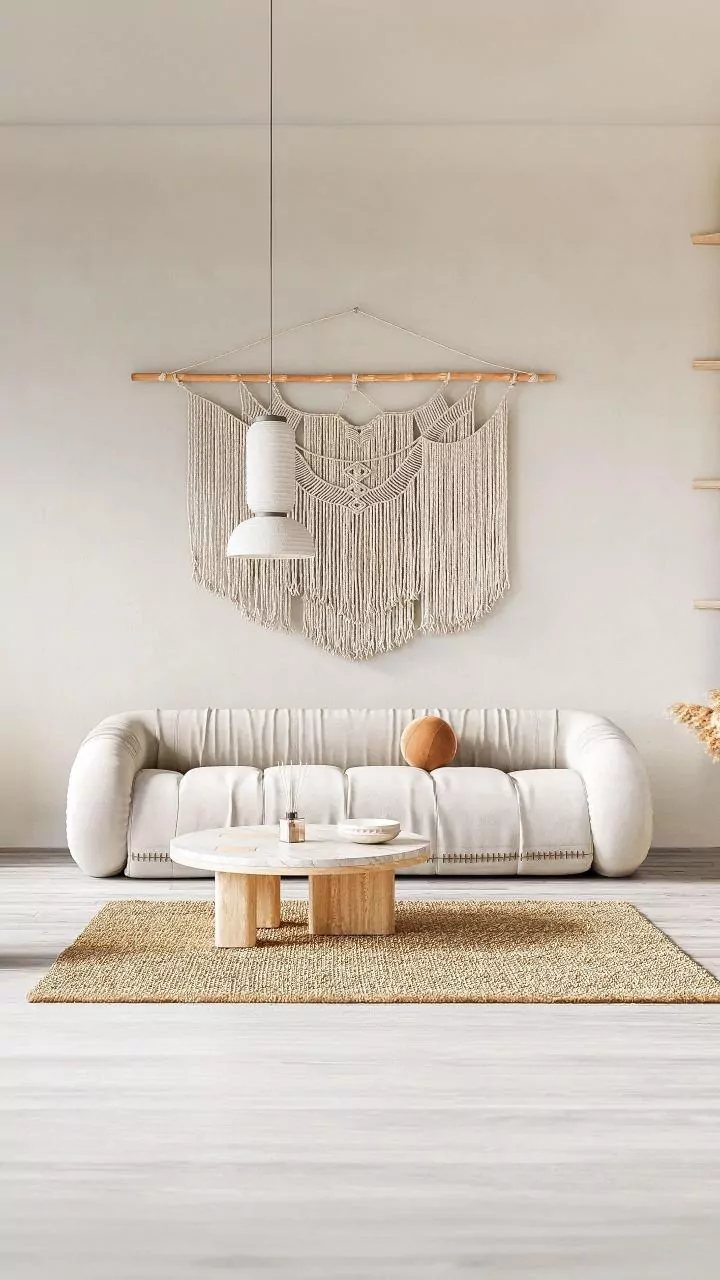
Remember the look? It dominated Pinterest boards and upscale apartment listings for the better part of a decade. Industrial minimalism was the aesthetic of aspiration. Think vast open-plan lofts with exposed brick, polished concrete floors, and a color
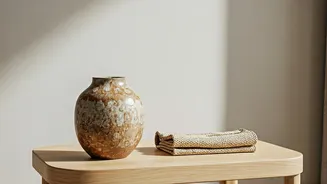
palette consisting exclusively of grey, black, and maybe a daring shade of off-white. Furniture was sparse, with clean lines and a strict function-over-form philosophy. Every object had to justify its existence, preferably by being both useful and unobtrusive. This style wasn’t just about looks; it was an ethos. It spoke to a desire for control and efficiency in an increasingly chaotic world. It was the physical manifestation of the Marie Kondo craze—a life decluttered into sterile, manageable perfection. The home became a pristine gallery, a neutral backdrop for a busy, optimized life. But for many, living inside a gallery started to feel less like a luxury and more like living in a beautifully designed, but ultimately cold and impersonal, holding cell.
What Is Granny Chic, Anyway?
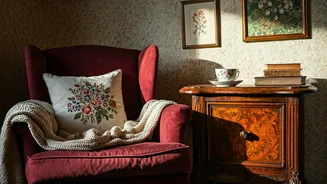
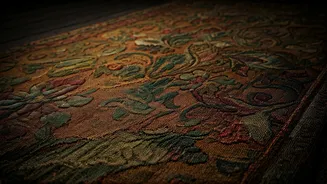
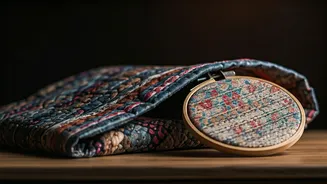
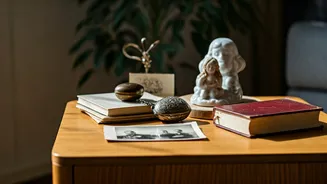
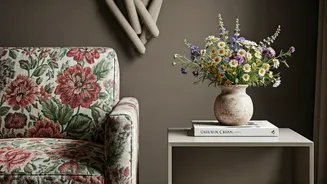
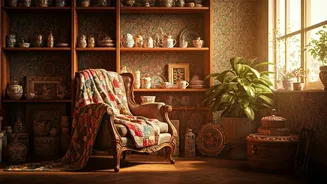
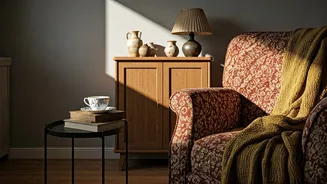
Enter Granny Chic 2.0, also known as “Grandmillennial” style. This isn’t about recreating your grandmother’s dusty, plastic-covered living room. It’s a curated, intentional embrace of the things minimalism threw out: pattern, color, texture, and personality. It’s a style built on layers and stories. At its heart, Granny Chic celebrates traditional design elements with a modern twist. We’re talking floral chintz on a sleek sofa, needlepoint pillows with ironic phrases, and antique wooden furniture sitting next to a contemporary lamp. It’s about mixing high and low, old and new. Key elements include scalloped edges, wicker and rattan, bold wallpaper (especially toile and floral), pleated lampshades, and collections of china or art that look accumulated over time. Unlike the one-size-fits-all feel of minimalism, Granny Chic is defiantly personal. It champions the unique, the inherited, and the thrifted over the mass-produced.
A Rebellion Fueled by Comfort
So, why the sudden shift? The answer lies in a collective craving for comfort. The past few years have fundamentally changed our relationship with our homes. They are no longer just places to sleep and store our stuff between work and social events. They have become our offices, our gyms, our restaurants, and our sanctuaries. And when you’re forced to stare at the same four walls 24/7, the appeal of a cold, grey box rapidly fades. Granny Chic is a direct emotional response to this. It’s a design philosophy that prioritizes feeling over pure aesthetics. It’s about building a nest. The soft textures, warm colors, and sentimental objects create a sense of safety, nostalgia, and psychological comfort that sterile environments simply can’t provide. It rejects the idea that a home should be a perfectly staged, Instagram-ready showpiece and argues instead that it should be a lived-in, deeply personal space that actively nurtures its inhabitants. It’s the difference between a house that looks good and a home that *feels* good.
Rejecting the Algorithm's Aesthetic
There’s also a subtle anti-consumerist and anti-algorithmic thread running through the Granny Chic movement. Industrial minimalism, for all its sparseness, became incredibly commercialized. Big-box stores sold a uniform vision of “modern living,” leading to a sea of homes that were technically stylish but utterly interchangeable—the era of the “sad beige” apartment seen all over social media. Granny Chic, by its very nature, resists this homogenization. Its emphasis on vintage finds, inherited heirlooms, and handcrafted items means you can’t simply click “add to cart” and replicate the look. It requires patience, curation, and a personal point of view. It encourages you to visit a flea market instead of a furniture showroom, to repair an old chair instead of buying a new one, and to display items because they mean something to you, not because they fit a prescribed trend. In a world saturated with digital perfection, the imperfect, story-filled, and utterly unique appeal of Granny Chic feels like a breath of fresh, potpourri-scented air.