




Why You Should Reconsider The Peel
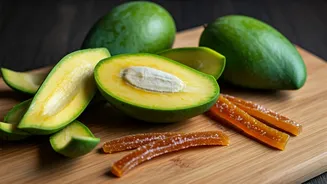
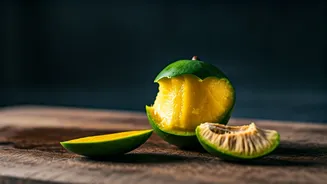
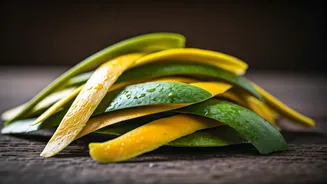
At first glance, a mango peel seems tough, fibrous, and destined for the trash. But nutritionally, it’s a powerhouse. The skin contains a higher concentration of antioxidants—specifically mangiferin and other polyphenols—than the sweet flesh it protects.
These compounds are celebrated for their potential anti-inflammatory and disease-fighting properties. Beyond antioxidants, the peel is loaded with dietary fiber, which is essential for digestive health, as well as vitamins C and A. By discarding it, you’re throwing away a significant portion of the fruit's nutritional value. Embracing the peel aligns with the root-to-stem philosophy that chefs and eco-conscious home cooks are adopting, transforming what was once considered food waste into a valuable, nutrient-dense ingredient.
The Catch: Safety and Preparation First
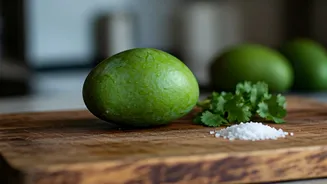
Before you take a bite out of a whole mango, there are two important considerations: pesticides and a compound called urushiol. To minimize pesticide residue, always opt for organic mangoes when you plan to eat the peel. Regardless, a thorough wash is non-negotiable. Scrub the fruit under running water with a vegetable brush. As for urushiol, it’s the same substance found in poison ivy and poison oak that can cause an allergic reaction in sensitive individuals. While the concentration in mango skin is low, if you have a known sensitivity to these plants or have experienced a rash from handling mangoes, it’s best to avoid the peel. For everyone else, the risk is minimal. The other hurdle is texture. Mango peels can be tough and slightly bitter, which is why preparation is key to making them not just edible, but enjoyable.
How to Use Raw Mango Peels
The headline promises a raw recipe hero, and the easiest entry point is the blender. Adding a few pieces of well-washed mango peel to your morning smoothie is a seamless way to incorporate its nutrients without getting bogged down by the chewy texture. The blender pulverizes the fiber, and the other ingredients—like banana, yogurt, or other fruits—will easily mask any hint of bitterness. Another raw application is to treat it like citrus zest. Using a microplane or a fine grater, you can zest the peel into salad dressings, marinades, or salsas. A small amount adds a complex, slightly floral and tangy note that deepens the flavor profile. Think of it as a seasoning, not the main event. This method allows you to get the benefits while controlling the texture and taste.
Beyond Raw: Cooked and Pickled Peels
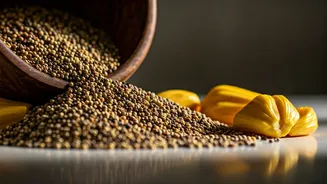
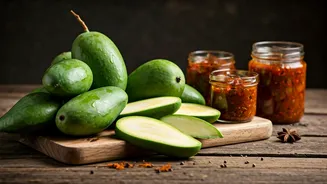
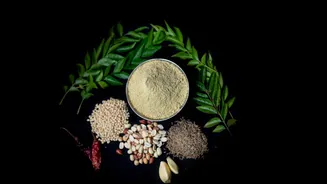
While raw uses are great, cooking is where mango peels truly transform. In many cultures, especially in India, raw mango peel is a star ingredient in pickles, or *achar*. Thinly sliced peels are combined with spices like fenugreek, mustard seeds, and chili powder, then preserved in oil. The pickling process softens the peel to a pleasant chew and infuses it with bold, savory flavor, turning it into a fantastic condiment for rice, flatbreads, and stews. You can also make a simple mango peel chutney by simmering the peels with sugar, vinegar, ginger, and spices until they are soft and jammy. This sweet and tangy spread is a perfect accompaniment to cheese boards or grilled meats. Finally, you can dehydrate the peels and grind them into a powder, known as *amchur* when made with unripe mangoes. This powder serves as a souring agent in countless dishes, from lentil soups to curries, proving the peel's versatility long after mango season has passed.