



The Limits of the Open Concept
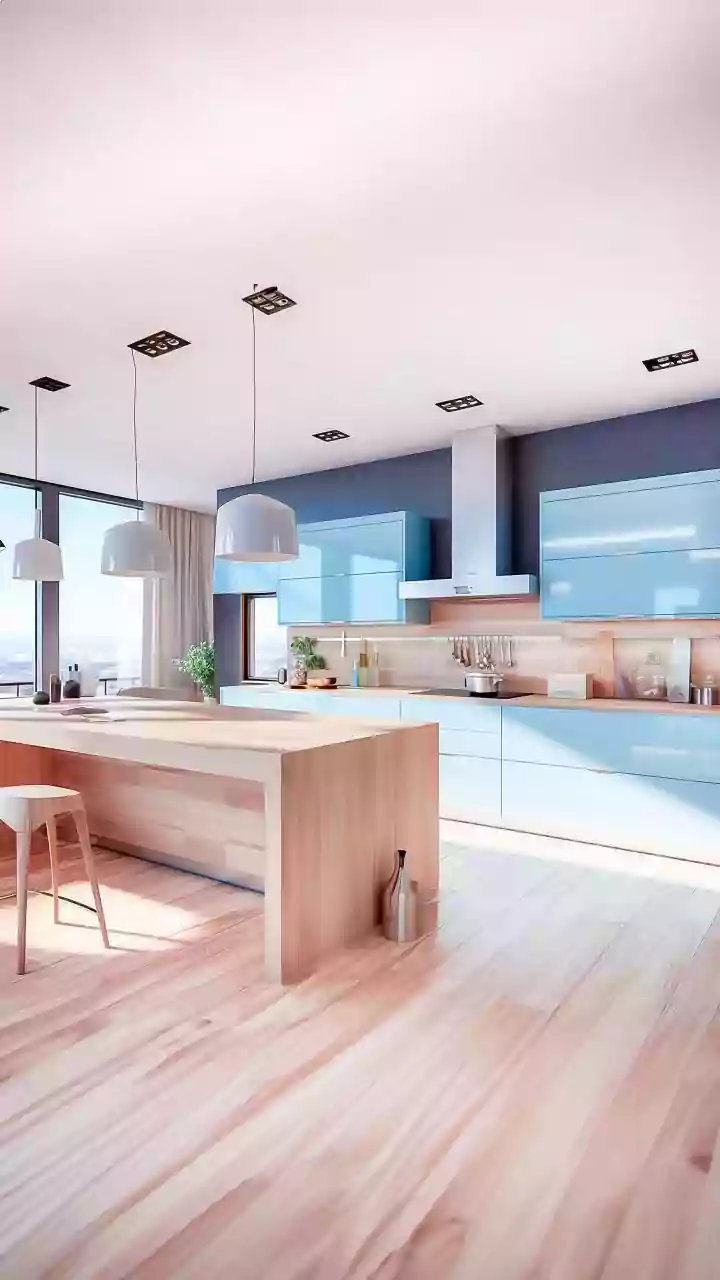
For decades, the open-concept floor plan was the aspirational standard in American homes. Tearing down walls promised connection, light, and an airy, communal lifestyle. But as our homes have been forced to accommodate every facet of our lives, the downsides
of a single, cavernous space have become clear. When your kitchen counter is also your office desk and your living room is also your yoga studio, the lack of psychological boundaries can lead to a constant, low-grade stress. There’s no clear signal to your brain that it’s time to transition from work mode to relaxation mode. This environmental ambiguity makes it harder to be present, whether you’re trying to focus on a spreadsheet or unwind with a book. The desire for separation is back, but it’s not about rebuilding walls; it’s about creating smarter, more sensitive spaces.
Defining the Multi-Mood Space
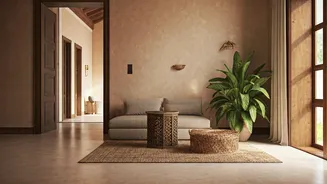
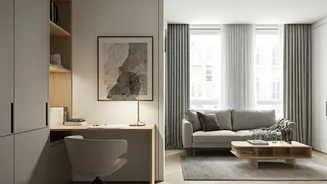
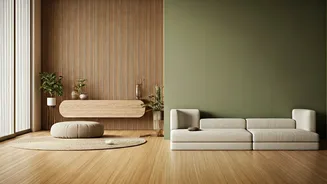
A multi-mood space is an area designed to support different activities and mindsets through flexible, sensory cues. Instead of relying on permanent walls, it uses adaptable elements to create distinct zones within a larger room. Think of it as psychological architecture. One corner of a living room might be a 'focus zone,' with a comfortable task chair, bright, cool-toned lighting, and minimal distractions. A few feet away, a 'restoration zone' might feature a plush armchair, a soft rug, warm, dimmable light, and a stack of books. These zones aren’t physically separate, but they feel emotionally distinct. The transition from one to another—achieved by moving, adjusting the lights, or even changing the ambient sound—acts as a ritual, signaling to your brain that it’s time for a new state of being. It’s about curating an environment that serves your mental and emotional needs as much as your functional ones.
How Flexibility Fosters Mindfulness
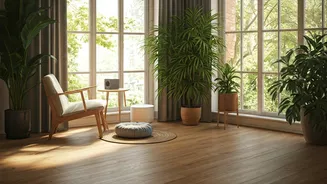
Mindfulness is the practice of paying attention to the present moment without judgment. It’s difficult to achieve when your environment is pulling you in multiple directions at once. Multi-mood design directly supports mindfulness by creating intentionality. By consciously designing a space for a specific purpose—meditation, reading, deep conversation—you build a powerful psychological association. Over time, simply entering that zone helps trigger the desired mental state. This environmental cue makes it easier to slip into a state of focused calm. It reduces the mental effort required to block out the 'noise' of other potential activities. Having a designated spot for quiet contemplation, even if it’s just a floor cushion in a sunlit corner, carves out a sanctuary from the digital noise and domestic chaos, making mindfulness a more accessible, integrated part of your daily routine.
The Toolkit for a Zoned Home
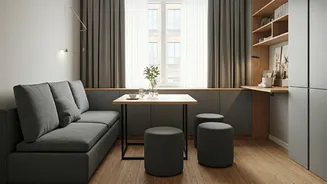
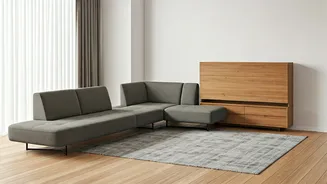
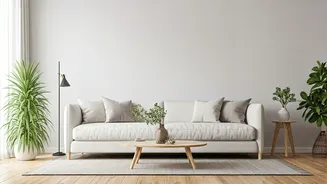
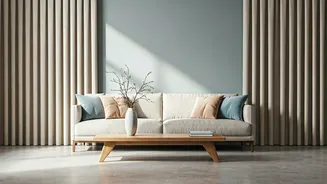
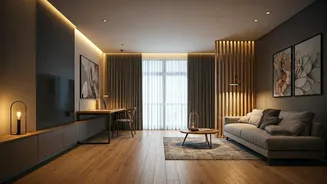
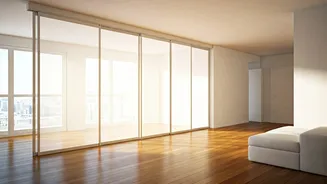
Creating multi-mood spaces doesn’t require a complete renovation. It’s about using a toolkit of flexible design elements. Lighting is one of the most powerful tools; smart bulbs that can change both brightness and color temperature allow you to shift a room from an energizing, blue-toned 'daylight' for work to a calming, warm 'candlelight' for the evening. Furniture can be modular and moveable, like ottomans that become coffee tables or seating that can be easily reconfigured. Area rugs are brilliant for visually defining a zone, creating a 'room within a room.' Similarly, lightweight screens, sheer curtains on a ceiling track, or even strategically placed tall plants can provide a sense of enclosure without blocking light. Sound is another layer; you might play focused ambient music in your work zone and calming nature sounds in your relaxation zone. The key is using these elements to build a sensory landscape that guides your experience of the space.