



1. Leafy Greens and Raw Vegetables
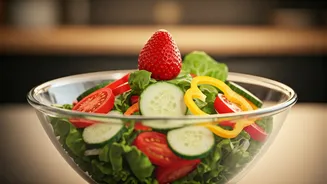
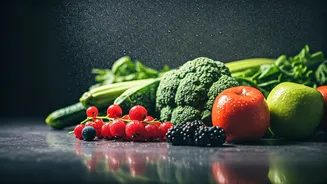
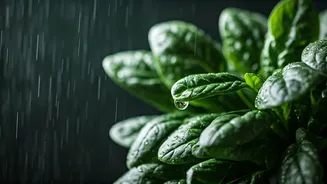
That fresh salad might seem like a healthy choice, but raw leafy greens are a primary culprit for foodborne illnesses. During heavy rains, contaminants like E. coli and salmonella can splash from the soil onto the leaves of lettuce, spinach, and kale.
These pathogens can hide in the tiny crevices of the leaves, making them notoriously difficult to wash off completely. Furthermore, the high humidity in the air after a rainstorm can help any existing bacteria on the produce to multiply more quickly, even in your refrigerator. When the weather is particularly damp, it's safer to opt for cooked vegetables. Roasting, steaming, or sautéing your greens will kill off any harmful bacteria and give you peace of mind.
2. Pre-Cut Fruits and Salads
Convenience comes at a cost, especially when it's humid. Those tubs of pre-cut melon, pineapple, or mixed fruit salads are particularly susceptible to contamination. The moment a fruit's protective skin is broken, its moist, sugary flesh is exposed to the air. In a humid environment, this becomes an ideal surface for bacteria to flourish. The risk increases with the amount of handling involved in chopping and packaging the fruit. The same logic applies to bagged salads. Instead, buy whole fruits and vegetables and wash and cut them yourself right before you plan to eat them. This minimizes their exposure to the open air and reduces the window for bacterial growth.
3. Street Food and Food Truck Fare
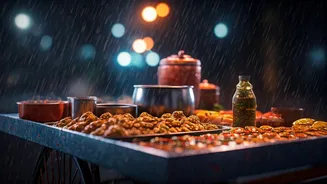
A warm bite from a food truck on a dreary day is tempting, but it’s a gamble. Rainy weather can present serious challenges for outdoor food vendors. Water can compromise cooking areas, cross-contamination risks increase, and it becomes harder to maintain foods at safe hot or cold temperatures. It's difficult to know if the water being used for washing and cooking is clean, especially if there's localized flooding. Frying, in particular, can be an issue, as water splashing into hot oil is a safety hazard, potentially rushing the cooking process. If you do indulge, stick to vendors you trust and choose items that are cooked fresh to order in front of you, ensuring they are served piping hot.
4. Raw or Undercooked Seafood
Think twice before ordering the oyster platter or sushi on a stormy day. Heavy rainfall can lead to agricultural and urban runoff, washing pesticides, sewage, and other contaminants into coastal waters. Shellfish like oysters, clams, and mussels are filter feeders, meaning they pump large volumes of water through their bodies, accumulating any bacteria or viruses present. This significantly increases the risk of illnesses like norovirus and vibriosis. While reputable suppliers have safety protocols, the risk is inherently elevated after major storms. To be safe, choose fully cooked seafood dishes, as heat effectively neutralizes these pathogens.
5. Buffet and Potluck Dishes
Foods left sitting at room temperature are always a risk, but humidity acts as an accelerant. Bacteria thrive in the temperature “danger zone” (40°F to 140°F), and humid air helps them multiply even faster. At a buffet, potluck, or picnic, dishes can sit in this zone for hours. Cream-based salads, dairy products, and meat dishes are especially vulnerable. The condensation that forms on serving utensils and lids in a damp environment can also introduce extra moisture, further encouraging bacterial growth. During muggy weather, be extra skeptical of any food that hasn't been kept consistently refrigerated or held in a proper heating tray.