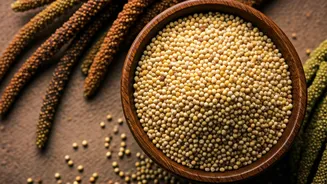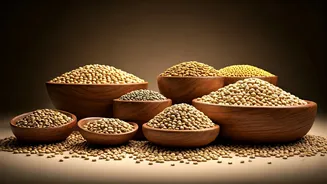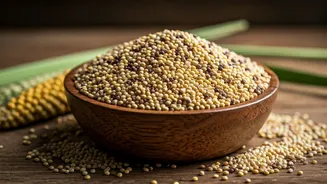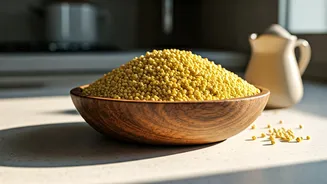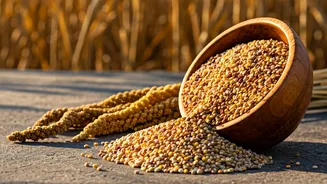


So, What Exactly Is Millet?
Millet isn't one single grain; it's a category of small-seeded grasses that have been cultivated for over 7,000 years, making them one of the oldest foods known to humans. Originating in Africa and Asia, they were a staple long before rice or wheat became
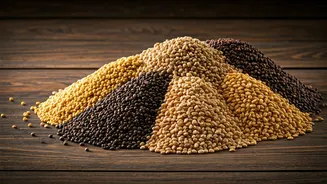
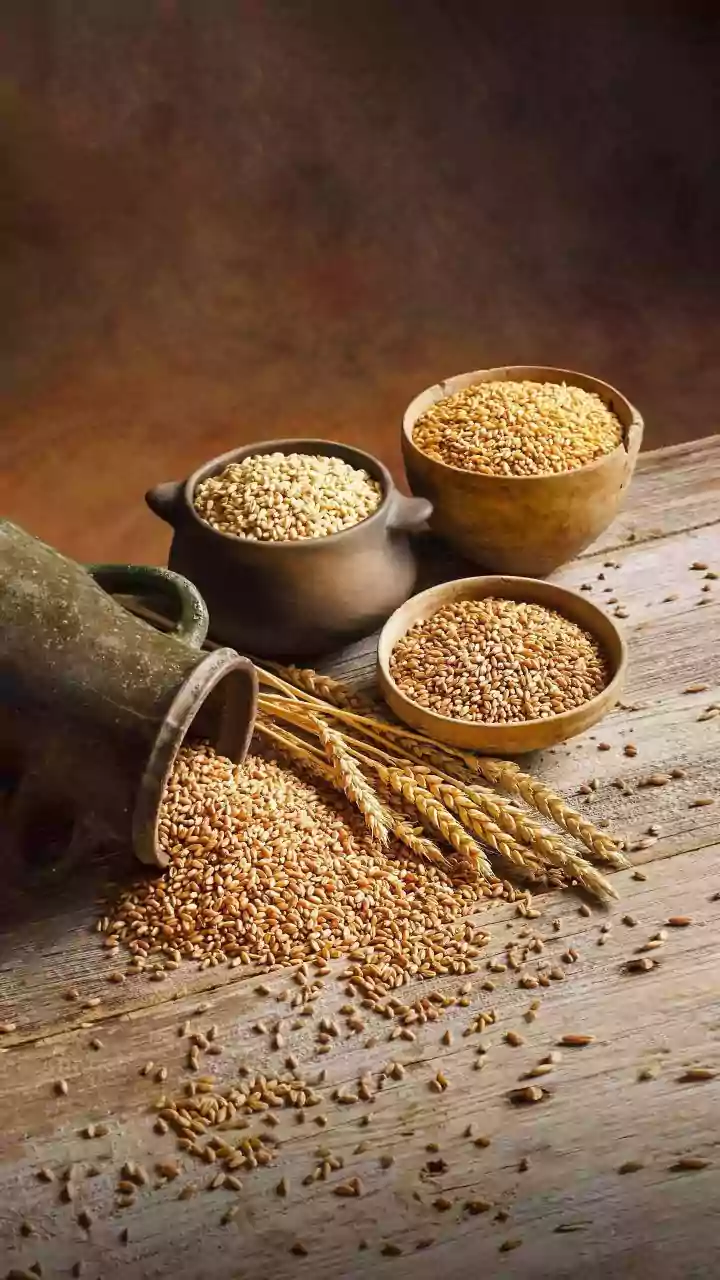
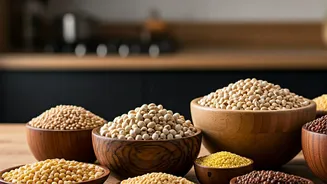
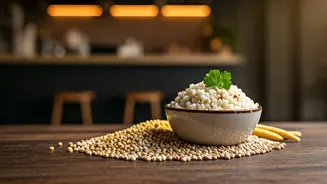
dominant. Varieties like pearl, foxtail, proso, and finger millet each have slightly different flavors, textures, and colors, ranging from creamy white to deep red. For a long time in the American consciousness, millet was mostly associated with the feed you put in a bird feeder. But globally, it's a foundational food source for millions. What these cultures have long understood is that millet is a nutritional powerhouse. It’s naturally gluten-free, high in fiber, and packed with essential minerals like magnesium, phosphorus, and iron. Depending on the variety, it can cook up fluffy like couscous, creamy like polenta, or have a satisfying chew perfect for salads.
Why the Sudden Star Power?
Millet’s resurgence isn't an accident. It’s sitting at the perfect intersection of modern food trends. First, there's the ever-growing demand for gluten-free and plant-based options. As more Americans seek alternatives to wheat, ancient grains have stepped into the spotlight, and millet’s naturally gluten-free status makes it a prime candidate. Second is sustainability. In an era of climate change and water scarcity, millet is a farmer’s friend. It’s a hardy, drought-resistant crop that can grow in poor soil with minimal water, making it far more eco-friendly than thirsty crops like rice or corn. This resilience caught the attention of global policymakers, leading the United Nations to declare 2023 the "International Year of Millets" to promote its potential to combat food insecurity. This global spotlight has had a trickle-down effect, encouraging chefs and food entrepreneurs to take a second look at the humble grain, right as consumers were becoming more adventurous and health-conscious.
From Grain Bowls to Crispy Snacks
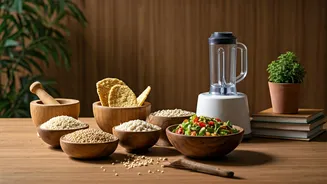
This is where the “cool” factor comes in. Innovative chefs are moving millet far beyond simple porridge. At forward-thinking cafes, you’ll find it as the base for hearty grain bowls, mixed with roasted vegetables, savory dressings, and proteins. Its nutty, slightly sweet flavor makes it a perfect canvas. Some bakers are incorporating millet flour into gluten-free breads and pastries for a unique texture and nutritional boost. You might also see it puffed, like a sophisticated version of puffed rice, and used as a crunchy topping for salads, soups, or yogurt parfaits. When cooked and cooled, millet holds its shape well, making it ideal for forming into savory cakes or veggie burgers. Chefs are frying these millet patties until golden and crisp, serving them as appetizers or main courses. They are showcasing the grain’s incredible versatility—proving it can be creamy, fluffy, or crunchy, depending on how you treat it.
Bringing Millet into Your Kitchen
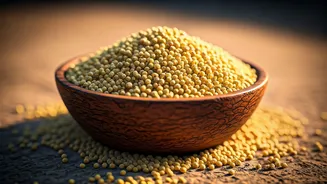
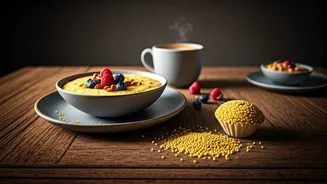
The best part of this trend is how easy it is to adopt at home. You can find hulled millet in the grain aisle or bulk bins of most well-stocked grocery stores. The most common variety you'll see is proso millet, which is a great all-purpose starting point. Cooking it is simple. The basic ratio is one part millet to two parts water or broth. Bring it to a boil, then reduce the heat, cover, and simmer for about 15-20 minutes, or until the liquid is absorbed. Let it stand, covered, for another 10 minutes, then fluff with a fork for a light, couscous-like texture. For a creamier, polenta-style result, use more liquid and stir occasionally as it cooks. Use your cooked millet as a side dish instead of rice, toss it into a salad for extra substance, or start your day with a warm bowl topped with fruit and nuts. Once you get comfortable, you can experiment with toasting the dry grains in a pan before cooking to deepen their nutty flavor.