


The Geographic Genius of a Rain Shadow
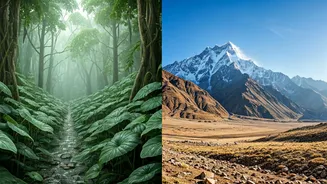
Here’s the secret: Spiti Valley is a high-altitude cold desert tucked away in the Indian state of Himachal Pradesh. Its defining characteristic is being in a “rain shadow.” While the rest of the subcontinent is getting drenched by the summer monsoon from
June to September, the towering Himalayas act as a colossal barrier, blocking the moisture-laden clouds from ever reaching this remote pocket of the world. The result? While other mountain destinations become a mess of landslides, fog, and downpours, Spiti remains overwhelmingly sunny, dry, and accessible. Choosing to visit during this period isn’t just lucky timing; it’s a strategic travel move. You’re zigging while everyone else is zagging—or, more accurately, you’re basking in high-altitude sun while others are stuck under an umbrella. This is the very essence of “smart travel energy”: using geographical knowledge to unlock a superior experience.
A Landscape from Another Planet
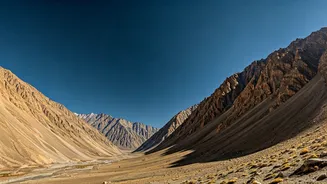
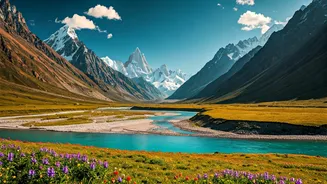
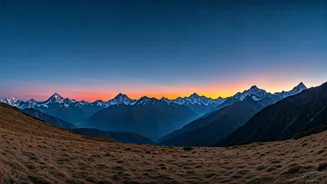
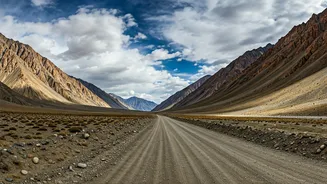
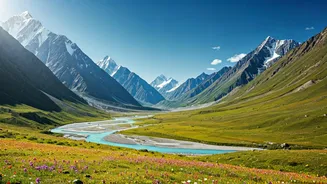
Forget lush, green hills. Spiti’s beauty is stark, dramatic, and profound. The landscape is a canvas of barren, multi-hued mountains, deep canyons carved by the shimmering turquoise Spiti River, and vast, empty plains under an impossibly blue sky. It’s often compared to the Tibetan Plateau or even the surface of Mars, and for good reason. The sheer scale is humbling. Driving through the valley feels like a journey through geological time, with every turn revealing a new vista more breathtaking than the last. The air is thin and crisp, and the silence is broken only by the wind or the distant call of a chough. This isn't a place of gentle beauty; it’s a powerful, raw environment that commands your attention and leaves an indelible mark. It’s a photographer’s paradise and an adventurer’s dream, offering a sense of true wilderness that’s increasingly hard to find.
Culture Carved from Rock and Faith
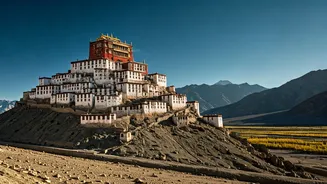
Spiti isn’t an empty wilderness. It's home to a resilient culture deeply rooted in Tibetan Buddhism, which has flourished here for over a thousand years. The most striking evidence is the ancient monasteries, or “gompas,” that seem to grow organically from the mountainsides. Key Monastery, a breathtaking complex perched precariously on a conical hill, looks like a fantastical fortress from a storybook. The Tabo Monastery, a UNESCO World Heritage site, houses some of the most stunning and well-preserved Indo-Tibetan art in the world, its dark halls filled with intricate murals and clay statues. Visiting these places is more than a sightseeing stop; it's a step into a living, breathing spiritual tradition. The villages themselves, with their whitewashed mud-brick homes and neatly stacked firewood, feel like they belong to another century. The warmth of the Spitian people, known for their hospitality, provides a gentle counterpoint to the harsh landscape.
The Journey Is the Real Destination
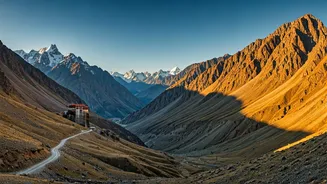
Let’s be clear: getting to Spiti is an adventure in itself. This is not a weekend getaway for the faint of heart. The roads are narrow, winding, and often unpaved, clinging to the sides of thousand-foot gorges. The altitude is a serious factor, with most of the valley sitting above 10,000 feet, requiring careful acclimatization. But for the right kind of traveler, this challenge is a feature, not a bug. The journey weeds out the casual tourist, ensuring that those who make it are rewarded with a more profound experience. It’s a trip that demands patience, a sense of humor, and a genuine love for the road less traveled. Every dusty mile and bumpy stretch adds to the feeling of accomplishment. In Spiti, you don’t just arrive at a destination; you earn it. And that feeling is a core part of its powerful, transformative energy.