




The Bollywood Seal of Approval
In the U.S., a fitness trend might get a boost from an influencer. In India, it gets rocket fuel from Bollywood. The nation’s biggest film stars, from Deepika Padukone to Alia Bhatt and Katrina Kaif, are not just participants in the Pilates boom—they
are its primary architects. They meticulously document their sessions with celebrity trainers like Yasmin Karachiwala and Namrata Purohit, broadcasting images of perfect form and sculpted physiques to millions of followers. In a culture where film stars are quasi-deities, their endorsement is the most powerful marketing tool imaginable. A single post from a top actor on a Reformer machine does more to build aspiration than a hundred ad campaigns. It instantly frames Pilates not merely as exercise, but as a key to looking, feeling, and living like the elite.
Why Pilates, and Why Now?
So, why Pilates? In a country with a rich tradition of yoga, the embrace of this German-born, American-popularized discipline might seem surprising. But its appeal is specific and potent. Unlike high-impact, sweat-drenched workouts, Pilates projects an image of control, precision, and elegance. It promises a “lean,” elongated physique—an aesthetic that aligns perfectly with modern beauty standards promoted by the global fashion and film industries. For a growing class of affluent urban Indians, the technical, equipment-based nature of Pilates feels more modern and scientific than traditional practices. It’s less about spiritual enlightenment and more about body mechanics and achieving a specific physical outcome. This shift reflects a broader globalization of wellness ideals, where a workout imported from the West can carry more cachet than a local equivalent.
The Economics of Exclusivity
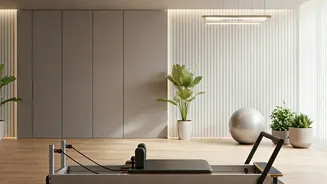
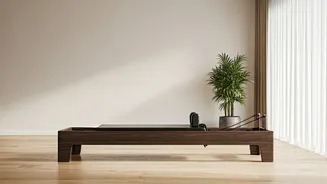
The “premium” in the fitness mood is no accident; it’s by design. Pilates studios in Mumbai, Delhi, and Bangalore are boutique, high-end spaces. They are not sprawling, accessible gyms. Group classes are small and expensive, while private sessions can cost a small fortune by local standards, often running more than what many Indians earn in a week. The equipment itself—the Reformers, Cadillac tables, and Wunda Chairs—is costly to import and maintain. This high barrier to entry is part of the allure. It ensures that the clientele is self-selecting, creating an exclusive environment where members are networking as much as they are working out. Owning a membership to a top Pilates studio is a definitive signal of having arrived. It's a consumer choice that broadcasts wealth, sophistication, and a commitment to self-investment, the new holy trinity for India’s upwardly mobile.
More Than a Workout, It's a Mindset
Ultimately, the Pilates boom is a snapshot of modern, urban India. It represents a pivot from communal wellness to individualized self-care, from spiritual pursuits to physical perfection, and from accessible activities to aspirational luxuries. While yoga remains deeply woven into the national fabric, the rise of Pilates on its premium flank illustrates the emergence of a new consumer identity. This is a demographic that is globally connected, digitally native, and heavily influenced by celebrity culture. They are seeking products and services that reflect their ambition and status. Pilates, with its blend of Hollywood glamour, physical discipline, and built-in exclusivity, fits the bill perfectly. It's not just a workout taking over India’s cities; it’s a reflection of the very mood of a nation in motion, stretching towards a new vision of itself.