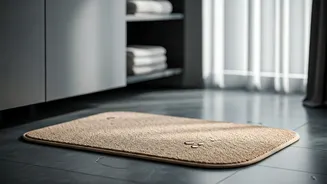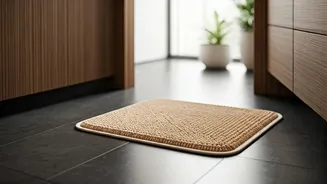




What Is a Stone Bath Mat?
At first glance, it looks like a simple slab of slate or concrete. But the viral ‘stone’ bath mat is made from a fascinating natural material: diatomaceous earth. This crumbly, sedimentary rock is formed from the fossilized remains of tiny aquatic organisms
called diatoms. For millions of years, their silica-based skeletons have accumulated in riverbeds and lakes. When harvested and pressed into a solid block, this material retains an incredibly porous structure. Under a microscope, it’s a honeycomb of microscopic holes. This unique composition is what gives the mat its almost magical water-absorbing properties, making it a stark contrast to the familiar loop and pile of a traditional fabric bath mat.
The Science of Instant Dry
The secret to the mat’s performance lies in its physical structure, not a chemical reaction. The countless pores within the diatomaceous earth create an enormous surface area. When you step onto the mat with wet feet, the water is instantly wicked away from the surface and distributed throughout this vast network of pores. This rapid dispersal prevents pooling and allows the water to evaporate into the air much faster than it would from a saturated piece of fabric.
Think of it like the difference between spilling water on a sealed countertop versus a terracotta pot. On the counter, the water sits in a puddle. The porous pot, however, immediately soaks it up. This is why you can often see a wet footprint disappear from a diatomaceous earth mat in under a minute, leaving behind a dry, ready-to-use surface.
The Pros: More Than Just Dry Feet
The primary appeal is, of course, the quick-drying nature that helps keep floors dry and reduce the risk of slips. Because it doesn’t stay damp, the mat is naturally resistant to the mold and mildew that can plague fabric mats in humid bathrooms, leading to fewer odors and less frequent washing.
Beyond function, many users are drawn to the minimalist, spa-like aesthetic. The clean lines and neutral tones fit well with modern decor. Furthermore, the hard, textured surface provides a stable, non-slip footing when dry, unlike a fabric mat that can bunch up or slide around. This combination of hygiene, safety, and style is a major driver of its viral popularity.
The Cons and Care Considerations
Despite their benefits, these mats aren't a perfect, maintenance-free solution. First, they are hard. If you love the plush, soft feel of a traditional rug, a stone mat will be a significant adjustment. They can also feel cold underfoot. Because they are rigid, they can crack or break if dropped or placed on an uneven surface.
Over time, the pores can become clogged with soap scum, oils, and minerals from hard water, reducing the mat’s absorbency. To restore it, you’ll need to lightly sand the surface with the included sandpaper every few months. While this is a simple process, it's a maintenance step that fabric mats don't require. They can also be susceptible to staining from colored bath products or oils.
Beyond the Bathroom Entryway
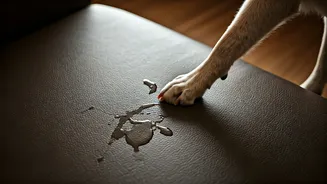
While most famous as a bath mat, the properties of diatomaceous earth make it useful in other parts of the home that contend with drips and moisture. Its quick-absorbing ability is perfect for placing under a dish drying rack to prevent puddles on the kitchen counter. Pet owners use them under water bowls to contain splashes and keep feeding areas clean and dry.
They’re also becoming popular in mudrooms and entryways, just as the headline suggests. Placed by the door, they can help absorb moisture from wet shoes and umbrellas on rainy days, protecting hardwood or tile floors from water damage and preventing slippery messes from being tracked through the house.