






The New Wave of AI-Powered Phishing
The phishing emails and texts of yesterday are getting a major upgrade, thanks to artificial intelligence. Scammers are now using AI to craft hyper-personalized, grammatically perfect messages that are incredibly difficult to spot. These messages might
mimic your bank’s communication style flawlessly, reference a recent public event, or even impersonate a colleague with uncanny accuracy. The goal is the same as ever: to trick you into clicking a malicious link and surrendering your login credentials or financial information. These new scams often create a powerful sense of urgency, claiming your account has been compromised or that a large, fraudulent transaction is pending. The sophistication means the old red flags—like typos and generic greetings—are disappearing. Your best defense is a healthy dose of skepticism toward any unsolicited message that asks for immediate action or personal data, no matter how legitimate it appears.
Peer-to-Peer Payment Pitfalls
Apps like Zelle, Venmo, and Cash App have made sending money to friends and family seamless. Unfortunately, that convenience is a double-edged sword that scammers exploit. One prevalent scam involves fake marketplace listings on platforms like Facebook Marketplace or Craigslist. A seller asks for payment via a P2P app for an item they never intend to ship. Because these apps are designed for transactions between trusted individuals, they often lack the robust fraud protections of credit cards. Once you send the money, it’s typically gone for good. Another common tactic is the “accidental” payment scam, where a stranger sends you money and then desperately messages you to send it back, claiming it was a mistake. After you return the funds, they reverse their original transaction—which was made with a stolen credit card—leaving you out the money. Never send money to people you don't know and trust implicitly.
The Evolving 'Smishing' Threat
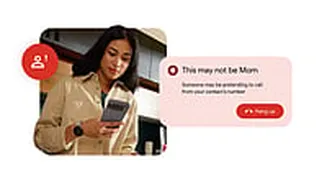
SMS phishing, or “smishing,” remains a dominant threat this summer. You’ve likely seen them: texts claiming to be from USPS about a package delivery issue, your bank about a suspicious login, or even Netflix about a payment problem. Clicking the link takes you to a convincing fake website designed to steal your credentials. A newer, more insidious version is the “wrong number” text. It starts with an innocuous message like, “Hey, is this Sarah? We met at the conference last week.” When you reply that they have the wrong number, the scammer strikes up a friendly conversation over days or weeks, building trust before pivoting to a fraudulent investment opportunity or a sob story requiring financial assistance. The slow, patient nature of this scam makes it particularly dangerous, as it preys on politeness and the human desire to connect. The rule is simple: if a text is from an unknown number, be wary. Do not click links, and do not engage in extended conversations.
Your Digital Wallet Security Checklist
Protecting yourself isn't about unplugging from modern finance; it's about practicing smart digital hygiene. As you navigate the payment landscape this June, make these steps a priority: * **Enable Multi-Factor Authentication (MFA):** On every single financial app you use, turn on MFA (also called two-factor authentication or 2FA). A password alone is not enough. This adds a crucial layer of security, requiring a code from your phone or email to log in. * **Set Up Transaction Alerts:** Configure your banking and P2P apps to notify you via text or email for every transaction. This ensures you’ll know immediately if unauthorized activity occurs. * **Use Strong, Unique Passwords:** Avoid using the same password across multiple sites, especially for financial accounts. A password manager can help you generate and store complex passwords securely. * **Think Before You Click:** Pause before clicking any link in an email or text. If you suspect a message might be legitimate, navigate directly to the company's website in your browser or use their official app instead of clicking the provided link.