


The Great Unplugging
Sunshine demands a certain kind of energy. It pulls you outdoors and whispers a frantic, FOMO-driven script: hike that trail, hit that beach, see all the sights before the light fades. We build packed itineraries around the promise of perfect weather,
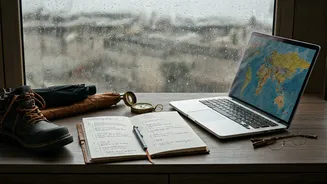
turning vacations into a checklist of photo ops and must-do activities. Rain, however, is a beautiful, unplanned interruption. It cancels the script. It gives you permission to stop rushing from one landmark to the next and simply *be* in a place. That packed schedule of outdoor markets and panoramic viewpoints dissolves, replaced by the delicious, unscheduled freedom to do very little. A rainy day on the road is the travel gods hitting the pause button for you, forcing a slowdown that your over-caffeinated brain would never allow on its own. Suddenly, spending three hours in a single café with a book and a view of the glistening street doesn't feel like wasting time; it feels like the whole point.
A World Washed New
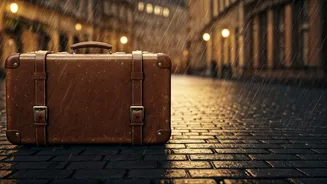
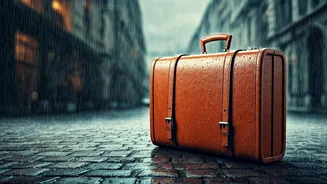
A city in the rain is not a lesser version of its sunny self; it’s an entirely different city. The world’s color palette shifts. Gray skies make vibrant colors pop—a red umbrella against a slate-colored building, the deep green of park foliage, the amber glow from a pub window. Cobblestones in cities like Prague or Boston, charming on a sunny day, become slick, reflective mosaics that mirror the sky and streetlights, turning a simple walk into a stroll through an impressionist painting. The soundtrack changes, too. The familiar urban clamor is replaced by the percussive rhythm of drops on awnings and the gentle hiss of tires on wet pavement. Even the air is different, thick with the earthy, clean scent of petrichor. To see a place in the rain is to see its moody, atmospheric, and arguably more poetic side—a side that the fair-weather tourists completely miss.
The Disappearance of the Crowds
Let’s be honest: one of the greatest luxuries in modern travel is space. The single most immediate and practical benefit of a rainy day is its power as a natural crowd-dispersal mechanism. The hordes of tourists that choke the world's most famous plazas, bridges, and monuments melt away at the first sign of a downpour. That iconic fountain you could barely glimpse through a forest of selfie sticks? It’s suddenly yours to contemplate in relative peace. The quiet lane you hoped to explore is no longer a human traffic jam. Rain acts as a filter, clearing out those who are only there for the postcard-perfect photo and leaving the space for those willing to embrace the moment as it is. It’s an opportunity for a more intimate, personal connection with a place, free from the jostle and noise of peak-season crowds.
Discovering the Local Indoors
When the weather pushes you off the tourist trail, it pushes you toward real life. A rainy day is a perfect excuse to abandon the outdoor sights and discover a city's indoor soul. You find yourself in the small, family-run trattoria that’s packed with locals escaping the storm, not the overpriced patio restaurant with the view. You wander into a dusty, neighborhood bookstore you would have otherwise walked right past. You duck into a small, independent cinema or a lesser-known museum gallery. These are the places where the authentic rhythm of a city is found—not in the grand, performative spaces designed for visitors, but in the cozy, functional spaces designed for living. You’re no longer just observing a place; you’re participating in its daily life, sharing shelter with the people who call it home.