
The Search for Sanctuary
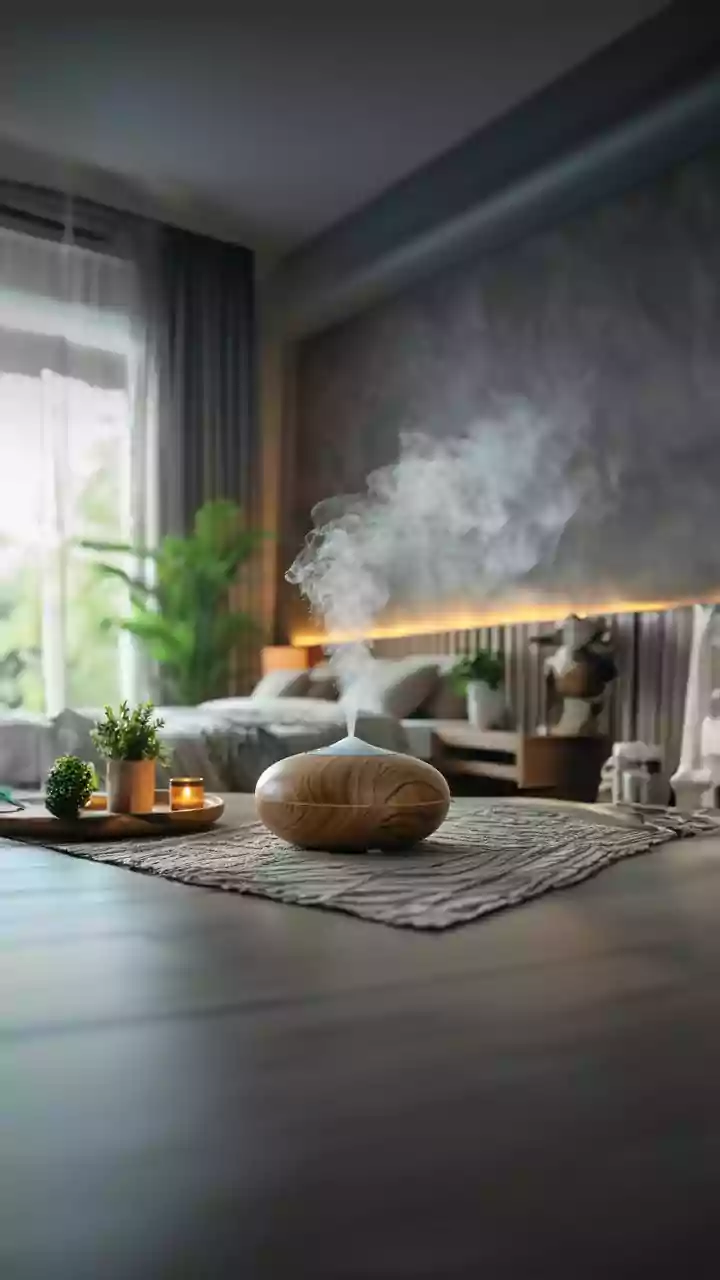
In the bustling, high-energy cities of modern India, the home is no longer just a place to live—it's a sanctuary. The post-pandemic world has amplified a global desire for homes that feel like a refuge, and in India, this has translated into a distinct
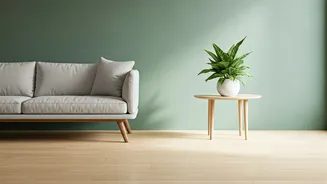
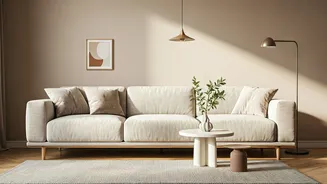
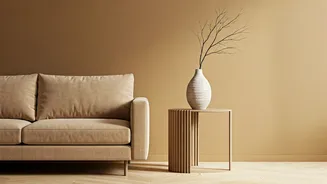
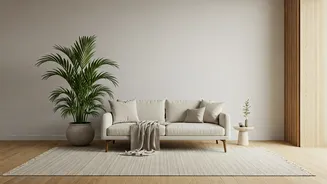
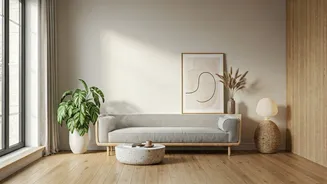
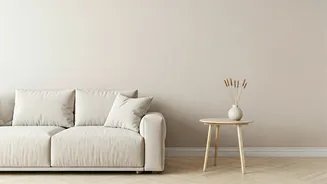
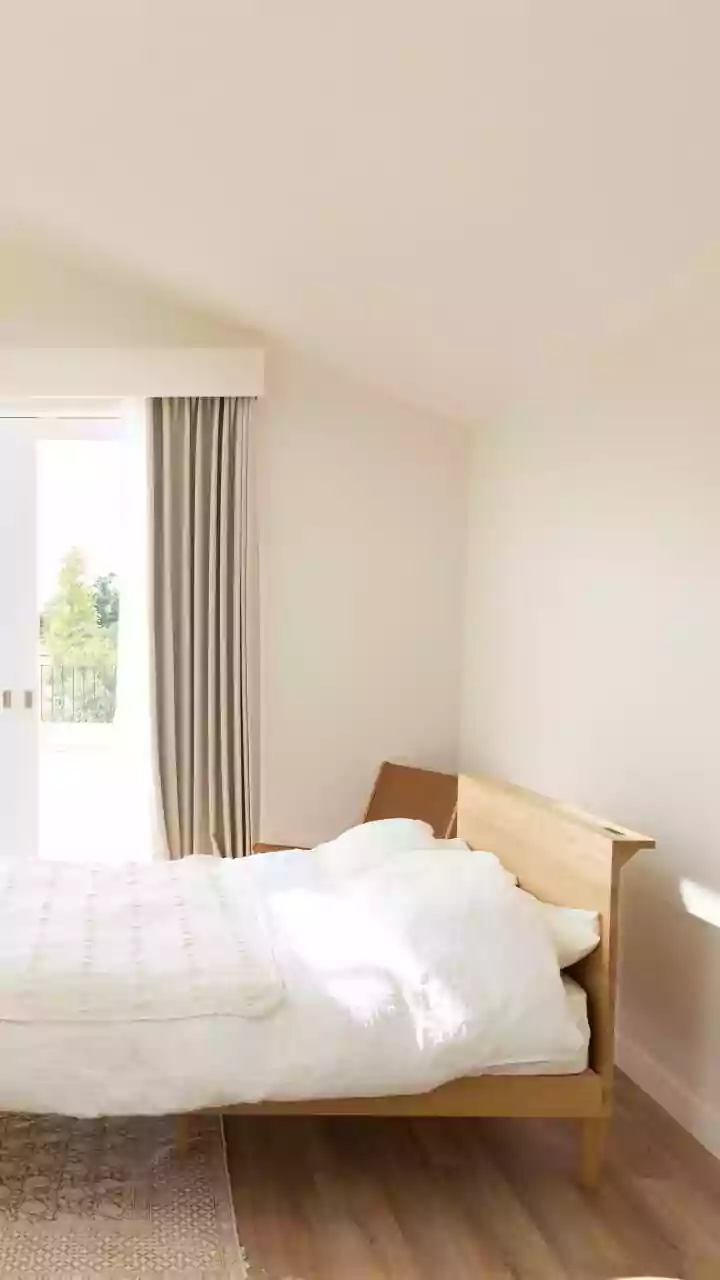
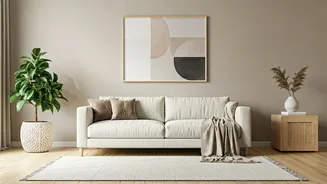
aesthetic shift. Designers and homeowners are increasingly turning away from loud colors and complex patterns in favor of serene, muted palettes. Think earthy tones, soft whites, gentle grays, and calming blues. The goal is to create a visual and mental decompression zone. This move towards minimalism isn't about stark, empty rooms; it's about intentional curation. Every object has a purpose, and there is a newfound appreciation for negative space, allowing the mind to rest and the home to breathe.
Comfort Over Formality
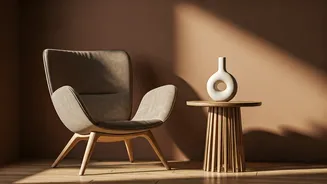
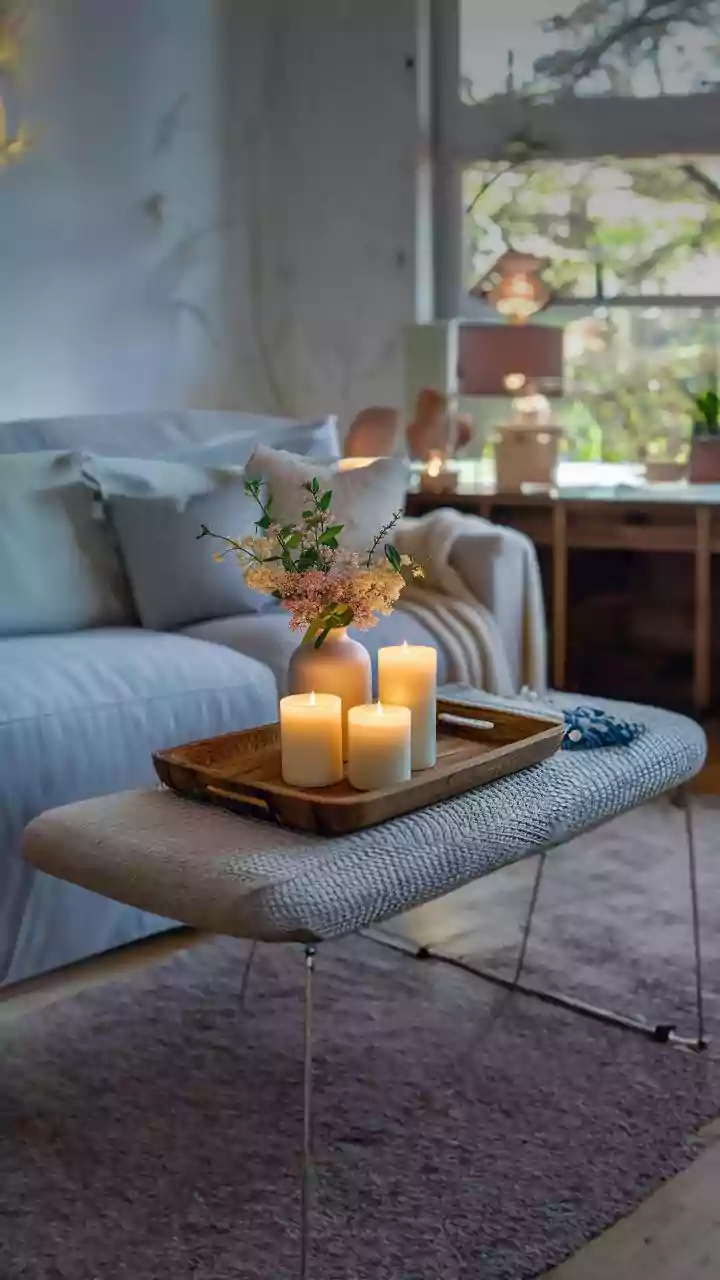
The formal, 'do-not-touch' living room is officially a thing of the past. Today's Indian home prioritizes tactile and physical comfort. This is seen in the very furniture choices being made. Stiff, ornate sofas are being replaced by deep, plush sectionals you can sink into. Hard-backed dining chairs are giving way to upholstered versions that encourage lingering after a meal. Textures are paramount. Soft-touch fabrics like bouclé, velvet, and natural linens are in high demand, layered through cushions, throws, and rugs to create a cozy, cocooning effect. This isn't just about looks; it's about a lifestyle that values relaxation and casual intimacy over formal entertaining. The home is now a space for unwinding with family, not just for impressing guests.
Utility in Every Corner
As urban Indian living spaces become more compact, the demand for smart, functional design has skyrocketed. Utility is no longer an afterthought—it's a primary driver of the design process. Multifunctional furniture is the hero of this trend. A coffee table might lift to become a workstation, an ottoman might hide storage for blankets, and a bed might feature built-in drawers. The rise of remote work has made the home office a non-negotiable element, but not everyone has a spare room. Consequently, designers are getting creative, carving out dedicated work nooks in living rooms or bedrooms with clever partitions, fold-down desks, and ergonomic yet stylish chairs. This focus on practicality ensures that every square foot is optimized for modern living, making smaller homes feel more spacious and efficient.
Modern Roots, Global Appeal
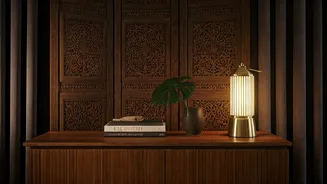
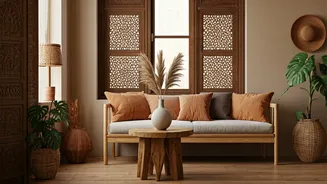
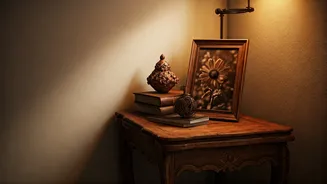
This new direction doesn't represent a rejection of Indian heritage, but rather a reinterpretation of it for the 21st century. While the overall aesthetic may feel globally modern, the details are often distinctly Indian. Instead of heavy, carved dark woods, you might see lighter-toned furniture made of sustainable cane or rattan. Traditional block-print patterns are appearing on minimalist cushions. Polished brass, a staple in Indian households, is being used for sleek, modern light fixtures and hardware, adding a touch of warmth and elegance. Artisanal, handcrafted items are gaining prominence over mass-produced decor, celebrating local craftsmanship in a contemporary context. This thoughtful integration allows homes to feel both current and culturally rooted, creating a unique design language that is both personal to the homeowner and reflective of a new, confident India.