







The New Travel Agent is an Algorithm
While U.S. travelers are just starting to see generative AI features trickle into platforms like Expedia and Kayak, India's largest online travel agencies (OTAs) have already gone all-in. Companies like MakeMyTrip, ixigo, and EaseMyTrip are aggressively
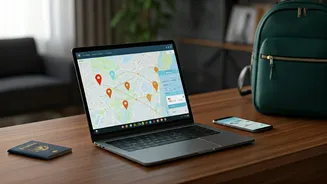
rolling out and marketing sophisticated AI trip planners to their hundreds of millions of users. This isn't just a chatbot that answers simple questions. We're talking about AI tools that can take a vague, natural language prompt—like “plan a 7-day family-friendly adventure in the Himalayas with moderate trekking and vegetarian meals”—and instantly generate a complete, bookable itinerary. The AI suggests flights, hotels, and activities, understands budget constraints, and can even piece together complex, multi-city journeys that would traditionally require hours of manual research. It marks a fundamental shift from a search-based model to a conversational, concierge-style experience.
Why India? A Perfect Storm for Innovation
India’s emergence as the epicenter of this trend is no accident. It’s the result of a unique convergence of demographic, technological, and cultural factors. First, the market is enormous and young. With a population of 1.4 billion, a median age of 28, and hundreds of millions of digital natives, there's a massive, built-in audience eager to adopt new technology. Second, deep smartphone penetration and some of the world's cheapest data plans mean that for most Indians, the internet is mobile-first. Complicated desktop-based planning is a non-starter; a mobile, conversational interface is far more natural. Finally, and perhaps most importantly, is the sheer complexity of travel within India. Planning a trip often involves navigating a dizzying array of languages, regional customs, dietary needs (a huge variety of vegetarian preferences, for example), and transportation modes—from modern airlines to a sprawling and intricate rail network. This high-friction environment is precisely the kind of complex problem that generative AI is uniquely equipped to solve, making India the perfect laboratory.
From Search Box to Conversation
The user experience is what makes the trend so powerful. Previously, a traveler might have to conduct dozens of separate searches: “flights from Delhi to Kochi,” “hotels in Munnar,” “houseboat rentals in Alleppey,” “vegetarian restaurants in Kerala.” They would then have to stitch these disparate pieces of information together themselves. The new AI planners, often integrated directly into the OTA’s main app, consolidate this entire process. A user can type or speak a single, detailed request. The AI, powered by models similar to ChatGPT but trained on the company’s vast proprietary data of travel routes, pricing, and user reviews, acts as a seasoned travel expert. It understands context and nuance, refining suggestions based on follow-up questions. For Indian travelers, many of whom are planning their first-ever leisure trips, this AI-driven hand-holding removes a major barrier to entry, demystifying the complex logistics of travel and inspiring confidence.
A Glimpse of the Global Future
For American travelers and the U.S. travel industry, what's happening in India is more than just a distant curiosity; it's a preview of what's coming. The technology and user behaviors being honed in the Indian market will inevitably go global. By stress-testing AI on a high-volume, high-complexity population, companies are building robust, versatile platforms that can be adapted for other markets. The challenges of planning a trip in India—navigating multiple languages, varied infrastructure quality, and diverse cultural norms—are an order of magnitude greater than planning a trip from New York to Florida. If AI can solve for India, it can solve for anywhere. The lesson for global players like Booking.com and Expedia is clear: the future of travel isn't just about providing the best inventory or the lowest price, but about providing the most intelligent, personalized, and seamless planning experience. India's OTAs are simply getting there first.