







From the Dermatologist's Office to Your Couch
So what exactly is this 'bright' new trend? It’s LED light therapy. If the term sounds familiar, it's because it’s been a staple in dermatology clinics and high-end spas for years. Professionals have used large, powerful light panels to treat everything
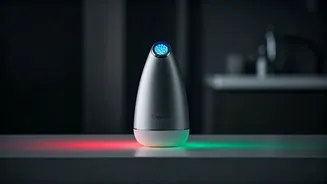
from stubborn acne to fine lines. The big news is that this technology has finally been miniaturized, made affordable, and brought into our homes in the form of masks, wands, and other handheld gadgets. The appeal is obvious: it offers a non-invasive treatment you can do while watching TV. Instead of applying a product that gets absorbed by the skin, you’re using specific wavelengths of light to trigger cellular responses, essentially encouraging your skin to heal and rejuvenate itself from within.
A Rainbow of Real Benefits
Not all light is created equal. The magic of LED therapy lies in using different colors, or wavelengths, to achieve different goals. The two most common and well-researched players are red and blue light.
Think of red light as your anti-aging powerhouse. It penetrates deeper into the skin to stimulate collagen and elastin production—the proteins that give your skin its firmness and bounce. With consistent use, it can help reduce the appearance of fine lines, wrinkles, and general inflammation, leading to a plumper, more youthful look.
Blue light, on the other hand, is acne's worst enemy. It works on a more superficial level to kill the specific P. acnes bacteria responsible for many breakouts. It’s an effective way to manage and prevent blemishes without the harshness of some topical treatments. Some devices even combine red and blue light to tackle both acne and the inflammation that comes with it, offering a two-for-one punch.
Does It Actually Work, Though?
This is the million-dollar question. The short answer is yes, but with some important caveats. There is a solid body of scientific evidence supporting the use of both red and blue light therapy for their stated purposes. However, the at-home devices are, by necessity, less powerful than the professional-grade machines a dermatologist uses. This means two things: results take time, and consistency is everything. You can't use a mask once and expect to wake up with glass skin. Most brands recommend short, frequent sessions—often just 3 to 10 minutes a day, several times a week. Think of it like going to the gym for your face; you have to keep showing up to see progress. It’s a powerful supplement to a good skincare routine, not a miracle cure that replaces everything else.
Your Guide to Going Into the Light
Ready to give it a try? The market is suddenly flooded with options, so it pays to be a smart shopper. First and foremost, look for devices that are FDA-cleared. This designation doesn't guarantee results, but it does certify that the product has been reviewed for safety and performs as marketed. Check the specific wavelengths the device uses (measured in nanometers or 'nm'); for red light, you typically want to be in the 630-660 nm range, and for blue light, around 415-465 nm. Don't fall for a gadget that just glows without specifying its output. And finally, follow the instructions to the letter, especially regarding session length and the use of protective eyewear. While generally safe, your eyes are sensitive to prolonged light exposure. If you have underlying skin conditions or are on medications that cause photosensitivity, it's always wise to chat with a dermatologist before diving in.