





More Than Just a Day Off
For years, the fitness mantra was simple: go harder, push further, and never miss a workout. Rest was for the weak. But a smarter, more sustainable approach to fitness has taken hold, and it’s centered on a single, powerful concept: recovery. We’re not
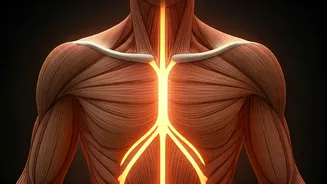
talking about simply taking a day to binge-watch a new series on the couch. Active, intentional recovery is a critical component of any effective training plan, and dedicated recovery classes are becoming a staple at gyms and boutique studios across the country. Think of it this way: your workouts are where you break your muscles down. It’s the stress of lifting, running, or cycling that creates microscopic tears in the muscle fibers. The recovery period is when your body actually rebuilds those fibers, making them stronger than before. Without adequate recovery, you’re simply breaking your body down without giving it the chance to build back up, leading to burnout, plateaus, and, worst of all, injury.
The Science of a Smarter Cooldown
Recovery classes are designed to accelerate and optimize your body’s natural healing processes. They go far beyond the five-minute cooldown stretch you might tack on to the end of your workout. By combining various techniques, these sessions aim to reduce inflammation, improve circulation, and calm the nervous system. One of the main targets is Delayed Onset Muscle Soreness (DOMS), that familiar ache that sets in 24 to 48 hours after a tough workout. While not dangerous, it can certainly derail your motivation and next-day performance. Techniques common in recovery classes, like foam rolling and dynamic stretching, increase blood flow to the muscles. This helps flush out metabolic waste products that contribute to soreness and delivers the oxygen and nutrients your tissues need to repair. Furthermore, many classes incorporate breathwork, which helps shift your body from a 'fight-or-flight' state (sympathetic nervous system) to a 'rest-and-digest' state (parasympathetic nervous system), lowering cortisol levels and promoting overall healing.
What to Expect in a Recovery Class
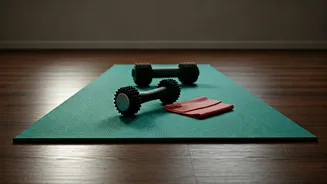
The term 'recovery class' is a broad umbrella for sessions focused on restoration. While every studio puts its own spin on it, you can generally expect a combination of these core modalities: * **Myofascial Release:** This is a fancy term for self-massage. Using tools like foam rollers, therapy balls, or massage guns, you’ll learn to apply pressure to 'trigger points' or knots in your muscles and the surrounding connective tissue (fascia). An instructor will guide you on how to properly use the tools to release tension, improve mobility, and reduce soreness in common problem areas like the hips, back, and shoulders. * **Guided Stretching & Mobility:** This isn’t your high school gym class stretch. Expect a focus on dynamic stretching (active movements that take your body through a full range of motion), PNF (proprioceptive neuromuscular facilitation) stretching, which involves contracting and relaxing muscles, and long-held static stretches to improve flexibility. * **Breathwork & Temperature Therapy:** Many modern recovery spaces incorporate guided breathing exercises to help regulate the nervous system. Some classes or facilities may also offer access to contrast therapy, alternating between cold plunges and hot saunas, a practice believed to reduce inflammation and speed up recovery by constricting and dilating blood vessels.
How to Fit It Into Your Routine
Integrating recovery into your schedule is the final step. You don't need to replace one of your high-intensity sessions; instead, think of a recovery class as a strategic supplement. It’s an ideal activity for your designated 'rest day,' turning it into an 'active recovery day' that supports your goals rather than halting them. Alternatively, you could attend a recovery class the day after your heaviest lift or longest run to specifically target the muscles you just worked. When looking for a class, seek out certified instructors who can provide modifications and explain the 'why' behind each movement. A good coach won’t just tell you to roll out your IT band; they’ll show you how to do it safely and effectively, ensuring your time is well-spent. The goal is to leave the class feeling better, not beaten up.