






The Remote Work Revolution
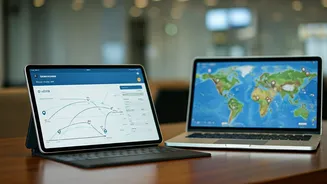
The biggest enabler of this new, practical era of expatriation is the seismic shift to remote work. Pre-pandemic, moving abroad was largely the domain of retirees, the independently wealthy, or those lucky enough to secure a corporate transfer. Now, a growing
number of Americans with location-independent jobs are realizing their salary and their career don't have to be tethered to a high-cost U.S. city. This decouples income from geography, allowing a software developer from San Francisco or a marketing manager from New York to maintain their career while living in Lisbon or Medellín. This fundamental change has expanded the pool of potential expats from a select few to anyone with a laptop and a tolerant HR department, making the dream accessible to a younger, more professionally active demographic.
Governments Are Rolling Out the Welcome Mat
Countries have taken notice of this new class of mobile professionals and are actively competing for them. Instead of navigating complex, employer-sponsored work permits, Americans can now apply for visas specifically designed for remote workers and financially self-sufficient individuals. Popularly known as "digital nomad visas," these programs are popping up worldwide. Spain, Portugal, Greece, Costa Rica, and dozens of other nations now offer streamlined residency paths for foreigners who can prove a steady remote income. These visas often come with significant tax incentives and a clearer path to long-term residency, removing one of the biggest bureaucratic hurdles that once kept would-be expats at bay. It's a strategic move by these countries to attract high-earning consumers who can stimulate the local economy without taking local jobs.
The Rise of 'Expat-as-a-Service'
Perhaps the most significant "practical upgrade" is the boom in services designed to handle the logistical nightmare of an international move. A decade ago, you were on your own to figure out taxes, banking, healthcare, and shipping. Today, an entire cottage industry of "expat-as-a-service" companies exists to smooth the process. There are now specialized firms that handle everything from visa applications and foreign tax compliance (like navigating the Foreign Earned Income Exclusion) to setting up international bank accounts and finding vetted local real estate agents. Platforms exist to help you find international health insurance, connect with relocation consultants, and even get your pets moved safely across borders. This professionalization of the moving process turns a daunting series of unknown challenges into a manageable checklist.
Building Community Intentionally
The new approach to living abroad is also less about escaping and more about integrating. The romanticized image of the lone writer in a Parisian garret is being replaced by a more community-focused mindset. Modern expats use digital tools to build analog connections before they even land. Facebook groups, Slack channels, and Meetup events for expats in specific cities are thriving, allowing newcomers to get advice on everything from finding a good doctor to understanding local customs. Co-working spaces in cities like Mexico City and Bangkok have become de facto community hubs. This proactive approach to community-building helps mitigate the loneliness and isolation that often plagued expats of previous generations, turning a foreign city into a functional home much more quickly.