






First, What Is Hydroponics?
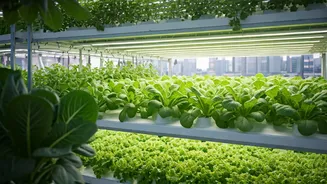
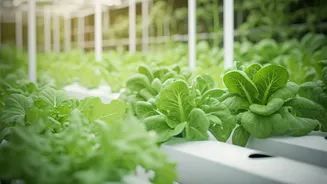
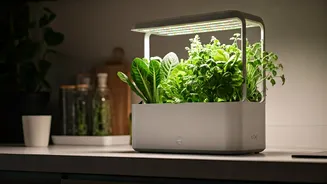
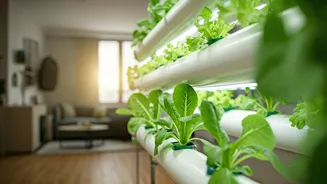
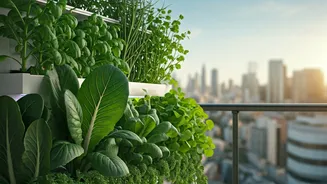
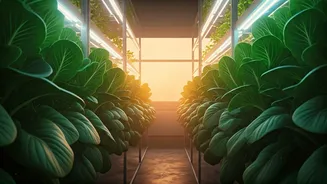
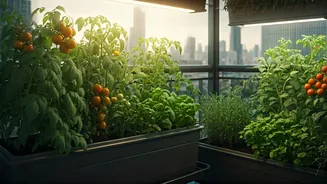
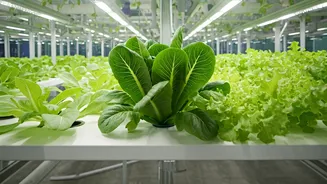
Before we get into the automation, let’s quickly define the playing field. Hydroponics is a method of growing plants without soil. Instead of pulling nutrients from the dirt, plants get their food from a mineral-rich water solution. It’s incredibly efficient,
using up to 90% less water than traditional agriculture, and allows for vertical farming in dense urban spaces. The catch? It’s a bit like being a chemist and a chef for your plants. The nutrient solution needs a precise balance of pH (acidity) and EC (Electrical Conductivity, a proxy for nutrient concentration). Get it wrong, and your crop fails. Traditionally, this requires constant manual testing and adjustment, making it labor-intensive and tricky to scale for small-scale growers.
The 'Smart' in Smart Feeds
This is where the ingenuity comes in. Young engineers and hobbyists in Delhi are building automated systems using affordable, off-the-shelf components. Think of it as a smart thermostat for your plants' food. The setup usually involves three key parts. First, sensors are placed in the water reservoir to constantly monitor pH and EC levels. Second, this data is fed to a microcontroller—a tiny, programmable computer like a Raspberry Pi or an Arduino—which acts as the system's brain. Third, the brain controls a series of small pumps connected to bottles of pH adjusters and nutrient concentrates. When the sensors detect that the pH is too high or nutrient levels are too low, the microcontroller automatically triggers the right pump to dispense a precise dose into the water, restoring the perfect balance. No manual testing, no guesswork.
From College Dorms to Startups
This isn't a top-down corporate movement. It's a grassroots trend bubbling up from engineering colleges, coding bootcamps, and startup incubators across the Delhi-NCR region. Students are tackling this challenge in capstone projects, and a growing number of young entrepreneurs are turning these projects into viable businesses. They develop custom software and mobile apps that allow users to monitor their farms remotely, receive alerts, and even track growth patterns. By open-sourcing parts of their code or creating DIY kits, they are making sophisticated agricultural technology accessible to urban gardeners, small-scale commercial farms, and even schools, fundamentally lowering the barrier to entry for high-tech farming.
Why Delhi, and Why Now?
Delhi provides the perfect storm for this kind of innovation. The city is one of the world's most populous urban areas, creating immense pressure on food supply chains and generating interest in local, sustainable food sources. At the same time, India has a massive pool of young, talented software engineers and hardware tinkerers graduating from world-class institutions. This combination of a clear, pressing problem (urban food security) and a deep talent pool has created a fertile ecosystem for agri-tech. It's a prime example of what's known as 'frugal innovation'—creating highly effective, low-cost solutions tailored to local needs, rather than simply importing expensive Western technology.
A Blueprint for Urban Farms Everywhere
While this trend is localized in Delhi, its implications are global. The high cost of automated nutrient dosing systems is a major hurdle for aspiring urban farmers everywhere, including in the United States. The work being done by these young Indian innovators provides a blueprint for how accessible, open-source technology can democratize urban agriculture. It shows that you don't need a multi-million dollar venture capital fund to start a smart farm. Sometimes, all it takes is a Raspberry Pi, a few sensors, and the drive to solve a problem in your own backyard. This approach could inspire a new generation of American farmers and tech enthusiasts to build their own systems, fostering more resilient local food systems from Brooklyn to San Francisco.