

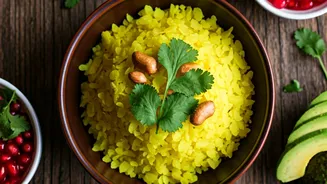
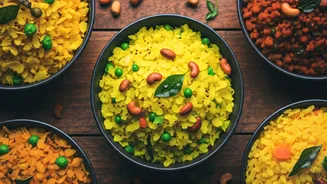
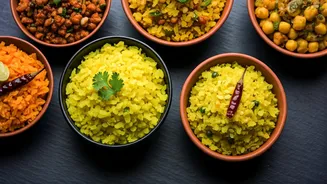
First Off, What Is Poha?
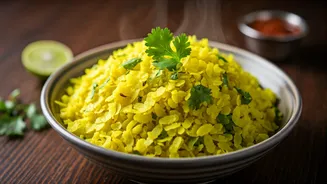
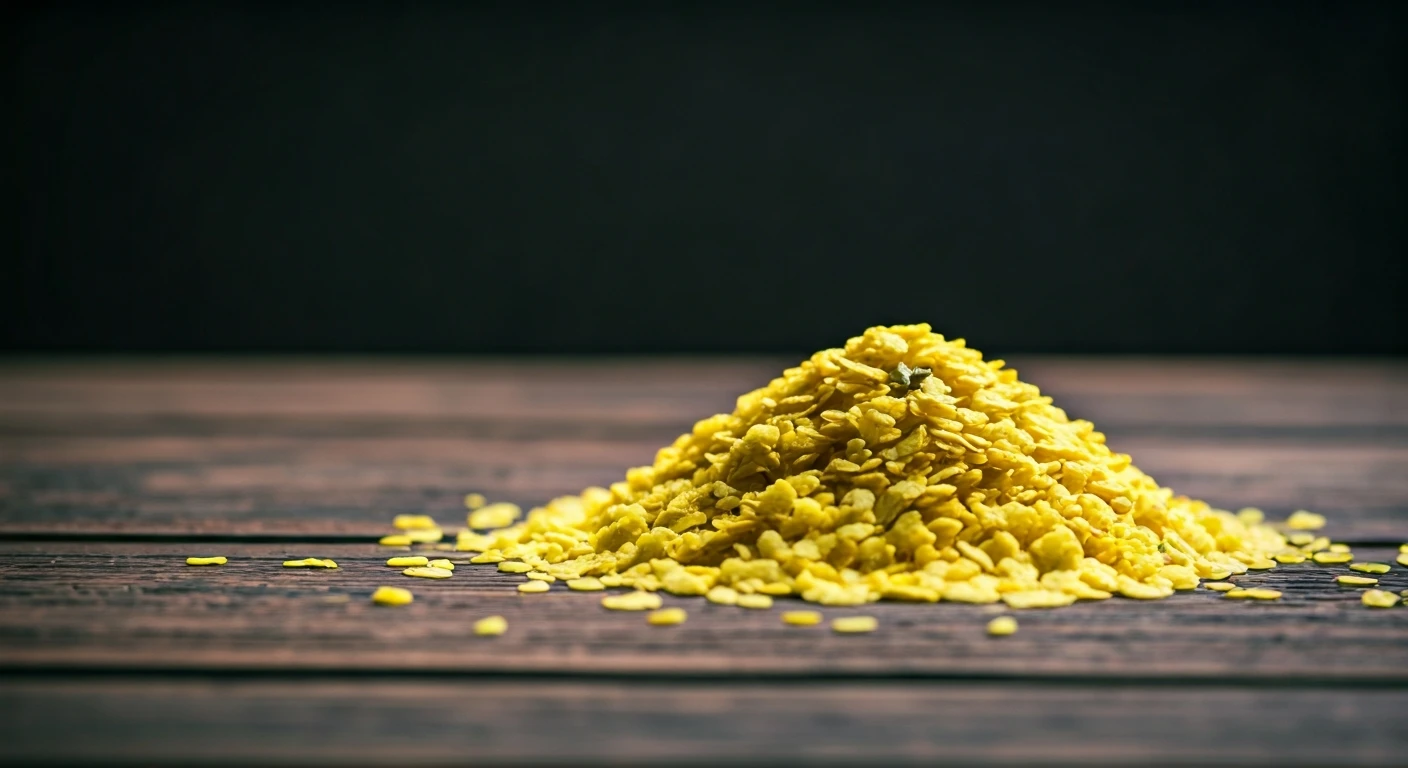
Let’s get the basics out of the way. Poha (pronounced PO-ha) refers to both a core ingredient and the dish made from it. The ingredient is flattened rice, sometimes called beaten rice. Imagine rice flakes that look a bit like rolled oats but are much
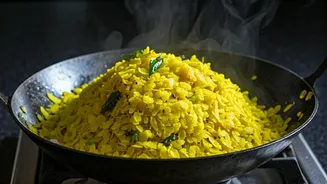
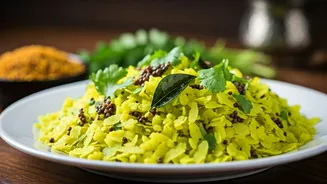
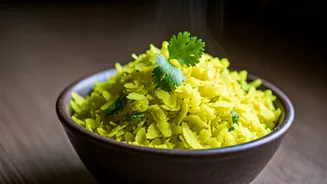
lighter and more delicate. To make the dish, these dry flakes are briefly rinsed, instantly transforming them into a soft, fluffy base that absorbs flavor like a dream without ever becoming mushy or heavy. The most classic preparation involves a quick sauté. A little oil is heated, and a symphony of aromatics is toasted: mustard seeds that pop, fragrant curry leaves, turmeric for its earthy flavor and vibrant yellow hue, and maybe some chopped onions or green chilies. The rehydrated poha is tossed into this fragrant mix, gently folded until every flake is coated in sunshine-yellow goodness, and cooked for just a few minutes. That’s it. It’s breakfast, it’s a snack, and it’s deceptively simple.
The Art of Low-Effort Comfort
True comfort food shouldn’t be a project. It should be easy, accessible, and deliver maximum satisfaction with minimal fuss. This is where poha truly shines. From start to finish, a basic plate can be on your table in under 15 minutes. There’s no complex simmering, no long-winded techniques. It's the kind of dish you can whip up on a dreary morning when you need something nourishing, fast. Its texture is a huge part of the appeal. It's light and airy, not dense or filling like a bowl of oatmeal can be. Each spoonful is fluffy and distinct, punctuated by the crunch of peanuts or the soft bite of sautéed onion. It warms you from the inside out without weighing you down, making it the perfect start to a day or a cozy afternoon pick-me-up. The final squeeze of lemon juice over the top cuts through the richness and brightens everything up, making the whole experience feel both grounding and invigorating.
A Taste of Home for Millions
While you can find poha all over India, it’s the undisputed breakfast champion in states like Maharashtra and Madhya Pradesh. For millions, the smell of mustard seeds popping in a pan isn't just a culinary step; it's the scent of morning. It's the dish that mothers make for their kids before school, the one you find at humble street-side stalls, and the simple meal offered to unexpected guests as a sign of warm hospitality. This deep cultural rooting is what elevates poha from a mere recipe to a true comfort food. It carries with it the weight of nostalgia and the feeling of home. This emotional connection is so strong that the city of Indore in Madhya Pradesh, a place legendary for its poha, unofficially started “World Poha Day” on June 7th to celebrate its most beloved dish.
Your Poha, Your Way
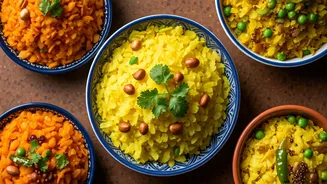
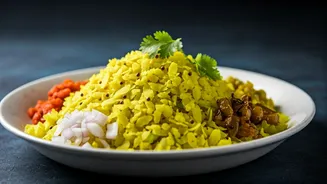
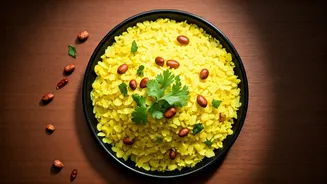
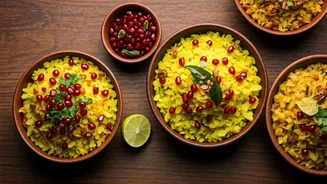
Like all the best comfort foods, poha is not a rigid formula; it’s a canvas. The classic, Kanda Poha (with onions), is just the beginning. Add diced potatoes for Batata Poha, which makes it more substantial. Toss in some green peas for a pop of sweetness. Garnish is not an afterthought but an essential part of the experience. A handful of roasted peanuts adds crucial crunch, while a sprinkle of sev—crispy, fried chickpea flour noodles—provides a savory, textural contrast that’s utterly addictive. Freshly chopped cilantro and a final, non-negotiable squeeze of lime tie it all together. Some variations even include grated coconut or pomegranate seeds. The dish adapts to what you have and what you love, inviting you to make it your own.