


The End of the Deprivation Era
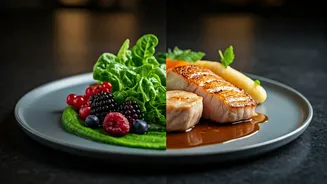
For decades, the wellness food playbook had one main strategy: subtraction. We were taught that health was achieved by removing things—fat, carbs, salt, gluten, and most of all, joy. The resulting cuisine was defined by what it wasn't. It was steamed
broccoli, skinless chicken, and quinoa that tasted like a punishment. The goal was virtuousness, and the flavor profile was, at best, an afterthought. This approach created a false binary: food could either be good for you or it could taste good, but rarely both. This philosophy fueled a cycle of restrictive dieting and eventual burnout, because nobody can subsist on pale, joyless sustenance for long. It treated the human palate as an enemy to be conquered rather than a guide to be trusted.
The Flavor-First Revolution
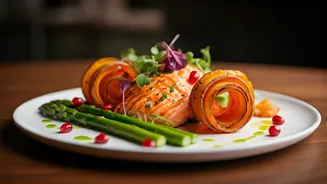
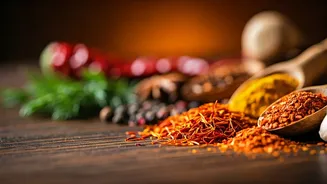
The new wave of wellness food flips that script entirely. The new philosophy is about addition, not subtraction. Instead of asking what can be removed, today’s innovators—from Michelin-starred chefs to viral TikTok creators—are asking what can be added to make food both nutrient-dense and outrageously delicious. The focus has shifted from calorie counting to nutrient quality and, crucially, flavor complexity. We’re finally acknowledging that spices, herbs, healthy fats, and fermentation aren’t just acceptable; they're essential. They are the tools that make healthy eating sustainable because they make it genuinely enjoyable. A sprinkle of sumac, a spoonful of chili crisp, or a drizzle of high-quality olive oil can transform a simple vegetable from a duty into a delight.
Your Spice Rack Is the New Medicine Cabinet
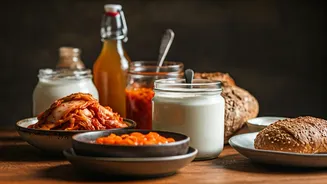
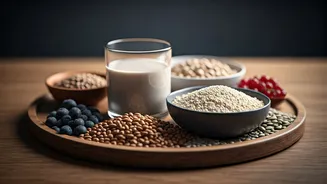
A huge driver of this change is our ever-expanding access to a global pantry. Ingredients that were once niche are now staples, and they’ve brought their bold flavors with them. Tangy, fermented kimchi and gochujang from Korea offer gut-healthy probiotics and a fiery kick. Earthy, golden turmeric, a cornerstone of South Asian cooking, is celebrated for its anti-inflammatory properties. Creamy tahini from the Middle East provides healthy fats and a nutty depth to everything from smoothies to dressings. This isn't about awkwardly shoehorning a “superfood” into a bland dish. It’s about embracing entire culinary traditions that have always known how to make vegetables, legumes, and whole grains sing. The new wellness aisle looks less like a pharmacy and more like a vibrant global market.
Smarter Science, Not Just Superfoods
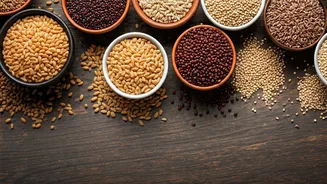
This isn't just a victory for our taste buds; it's also backed by better science. The conversation has moved beyond simplistic 'superfood' marketing. We now have a more sophisticated, mainstream understanding of concepts like gut health, the microbiome, and the importance of anti-inflammatory foods. Consumers are learning that a diverse diet rich in fiber from various plants feeds the good bacteria in our gut, which impacts everything from our mood to our immune system. This understanding encourages variety and abundance—eating the rainbow is no longer just a cute slogan; it’s sound nutritional advice. Healthy fats, once demonized, are now celebrated for their role in brain health and satiety. This scientific backing gives us permission to embrace a richer, more diverse, and ultimately more satisfying way of eating.