






The Age of Optimization
For the better part of a decade, the dominant wellness narrative was one of relentless optimization. It was wellness as a competitive sport. The goal wasn't just to feel good; it was to become the most efficient, productive, and biologically perfect version
of yourself. This ethos manifested in grueling HIIT classes that left you breathless, restrictive diets like keto and paleo that demonized entire food groups, and morning routines that were scheduled down to the minute with journaling, meditation, and cold plunges—all before the sun came up. This was the “hustle culture” of self-care, fueled by biohacking podcasts, wearable tech that tracked every metric, and an Instagram feed filled with aspirational images of disciplined perfection. If you weren't pushing your limits, you weren't doing it right. Self-care became another job, a list of demanding tasks to be checked off. Missing a workout or eating a carb-heavy meal wasn’t a choice; it was a failure.
The Inevitable Burnout
The problem with turning wellness into a performance is that it creates immense pressure. Instead of reducing stress, this rigid approach often added to it. The constant striving led to a new kind of anxiety: wellness anxiety. People felt guilty for resting, for listening to their body's desire for a lazy morning, or for simply wanting a piece of pizza. The pursuit of health ironically began to undermine mental well-being. This high-intensity approach proved to be unsustainable for most. It demanded a level of discipline that clashed with the realities of a messy, unpredictable life. For many, especially in the wake of the global pandemic that reordered our priorities, the idea of adding more stress to their lives under the guise of “health” lost its appeal. The collective burnout wasn't just from work; it was also from the demanding, unforgiving nature of modern wellness itself.
Welcome to 'Soft' Wellness
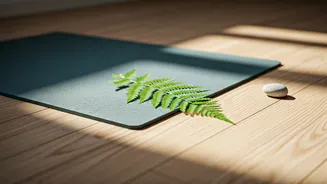
In response to this burnout, a quieter, more intuitive movement has emerged: “soft” wellness. This new paradigm rejects optimization in favor of intuition. It’s less about metrics and more about feeling. Instead of forcing yourself through a workout you hate, it encourages “intuitive movement”—a long walk, a gentle yoga flow, or dancing in your living room. Whatever feels good that day. This approach champions concepts like “soft mornings,” where the goal is to ease into the day rather than attack it. It might mean reading in bed for ten minutes, stretching lazily, or savoring a cup of coffee without simultaneously checking emails. On the nutrition front, it’s about moving away from strict rules and toward mindful, intuitive eating—honoring hunger and cravings without guilt. The guiding principle is self-compassion, not self-discipline.
What 'Chilling Properly' Looks Like
So what does this new, chilled-out wellness look like in practice? It’s about small, sustainable shifts. It's swapping a high-impact run for a low-intensity steady-state (LISS) activity, like a brisk walk with a podcast. It's discovering the power of Non-Sleep Deep Rest (NSDR), a practice of guided meditation that restores the mind and body without the pressure of achieving perfect mindfulness. It’s embracing the cozy, Danish concept of “hygge” as a legitimate wellness activity. Ultimately, it’s the radical act of giving yourself permission to do less. It’s understanding that rest is not lazy; it is productive. True wellness isn't a prize you win through suffering. It’s a gentle, ongoing conversation with your own body and mind, where the main goal is simply to feel more at ease in your own skin.