





The Tofu Problem
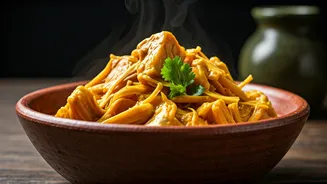
Tofu gets a bad rap, and some of it is earned. In the hands of an inexperienced cook, it can be a textural nightmare. Many of us have been served limp, bland cubes of it in a watery stir-fry or a sad salad, leaving us wondering why anyone bothers. The
preparation feels like a science experiment: Do I press it? For how long? What kind of marinade? Firm, extra-firm, silken? This intimidation factor is real, and it’s a significant barrier for people who are curious about eating more plant-based meals but are terrified of messing it up. The fear isn't just about taste; it's about the feeling of failure in your own kitchen when you produce something rubbery and tasteless. This collective culinary trauma has positioned tofu as a food for “experts,” not for the everyday American home cook looking for a simple, satisfying meal.
So, What Is Bhurji?
Before we get to the tofu, we need to talk about bhurji. In Indian cuisine, “bhurji” simply means “scrambled.” It’s a style of dish, not a single recipe. The most popular versions across the subcontinent are anda bhurji (made with eggs) and paneer bhurji (made with a fresh, firm Indian cheese). Think of it as India’s answer to scrambled eggs, but supercharged with aromatics and spices. The core of a bhurji is finely chopped or crumbled ingredients cooked with sautéed onions, ginger, garlic, tomatoes, and a fragrant blend of spices like turmeric, cumin, and coriander. It’s served hot, often with toast or flatbread, and is a beloved breakfast, lunch, or quick weeknight dinner. Understanding bhurji as a “savory scramble” is the key that unlocks its potential. It’s not a complex curry; it’s a fast, forgiving, and deeply flavorful dish that’s already a staple in millions of households.
The Perfect Trojan Horse
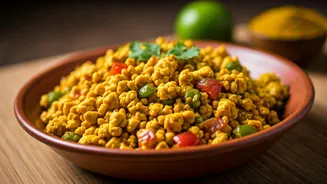
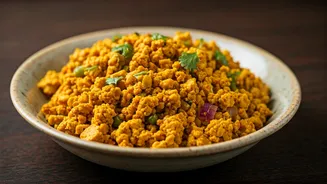
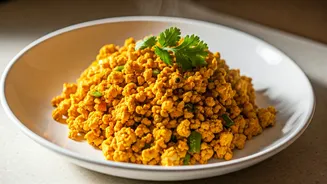
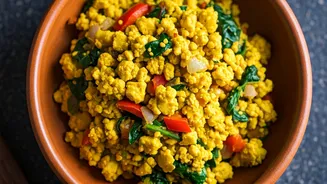
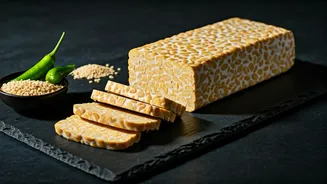
This is where tofu bhurji becomes a genius gateway dish. It solves every single one of the common tofu problems. Instead of being cut into intimidating cubes, the block of firm or extra-firm tofu is simply crumbled by hand. That’s it. No precise knife skills needed. This act of crumbling completely eliminates the dreaded rubbery or gelatinous texture. Instead, the tofu takes on a soft, granular consistency remarkably similar to scrambled eggs or crumbled paneer. You don't need to press it for an eternity, either; a quick squeeze to get the excess water out is often enough, as the subsequent cooking evaporates the rest. The crumbled tofu acts like a sponge, soaking up all the delicious flavors of the spices and aromatics it’s cooked with. It’s a Trojan horse for tofu acceptance: it gets the ingredient into your kitchen and onto your plate in a form that’s familiar, unintimidating, and undeniably delicious.
Flavor, Not Fear
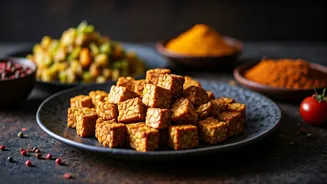
The best part of tofu bhurji is that the focus is entirely on flavor. Tofu itself has a very neutral taste, which is not a bug but a feature. In this dish, it becomes a canvas for a symphony of savory, earthy, and bright notes. The process typically starts with sizzling cumin seeds in a little oil, followed by finely chopped onions cooked until soft and sweet. Then comes the classic trio of ginger, garlic, and green chilies, creating an aromatic base that fills your kitchen with an incredible scent. Turmeric adds its beautiful golden color and earthy warmth, while tomatoes break down to create a jammy, tangy sauce. Once the crumbled tofu is added, it absorbs every bit of this flavor. A final flourish of garam masala and fresh cilantro adds a layer of complex spice and bright, herbaceous freshness. You're not tasting “tofu”; you're tasting a rich, satisfying, and complex savory scramble. The tofu is just the protein-packed vehicle delivering the deliciousness.