






Beyond the Polished Lobby
Monsoon season is nature’s great pause. In many of the world's most beautiful destinations, it’s a time when the tourist trail thins and the landscape drinks deeply, erupting in electric greens. For the traveler, however, it can present a dilemma. Confined
by a downpour, a sterile hotel room can feel like a luxurious prison, its perfectly made bed and generic art offering little comfort. The rain outside is an inconvenience, a disruption to a planned itinerary. A homestay offers a different proposition entirely. Instead of isolating you from the environment, it immerses you in it. The sound of rain isn't a distant drumming heard from a sealed, air-conditioned suite; it’s the rhythmic patter on a tin roof or the soft rush against a window pane in a room filled with the scent of cardamom and old wood. Here, the weather isn't something to be waited out. It’s the main event, and you have the best seat in the house.
The Rhythm of the Rain
In our hyper-scheduled lives, we often travel with the same sense of urgency, ticking off sights from a checklist. The monsoon forcefully breaks that rhythm. It demands stillness. At a large resort, this forced downtime can lead to boredom—another trip to the soulless hotel bar or endless scrolling on your phone. In a homestay, it becomes an opportunity for connection. The day’s plans might be washed out, but something better takes their place.
It’s the unplanned afternoon spent in the kitchen with your host, learning the secret to a perfect fish curry as the storm rages outside. It’s the hours passed on a covered veranda, reading a book recommended by the family as their children’s laughter drifts from another room. A homestay doesn’t just provide shelter from the rain; it provides a meaningful way to inhabit the time the rain gives you. It teaches you to appreciate the quiet moments, turning a potential vacation-wrecker into a source of quiet joy and reflection.
A Taste of Place
Food is one of the most powerful gateways to culture, and nowhere is this truer than during the monsoon. Hotel buffets, with their international and often impersonal offerings, can’t compete with the culinary intimacy of a homestay. Your host isn’t a professional chef cooking for hundreds; they are a home cook preparing food for their family—and for you.
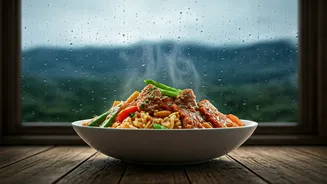
You’re treated to dishes that are specific to the season, using ingredients that are fresh and local. Think piping hot pakoras (fritters) served with mint chutney as the rain mists the air, or a hearty, warming stew that has been in the host's family for generations. This is food meant to comfort and nourish. Sharing these meals, often at the family table, dissolves the boundary between guest and host. The conversation that flows over dinner provides more insight into local life than any guidebook ever could.
Your Unofficial Local Guide
The greatest asset of any homestay is, without question, the host. They are not just landlords but ambassadors of their culture. A hotel concierge can book you a taxi or a tour, but a homestay host can tell you which local market will be best in the drizzle, where to find the most fragrant chai, or share stories about the banyan tree at the end of the lane. They offer a lived-in perspective that is priceless.
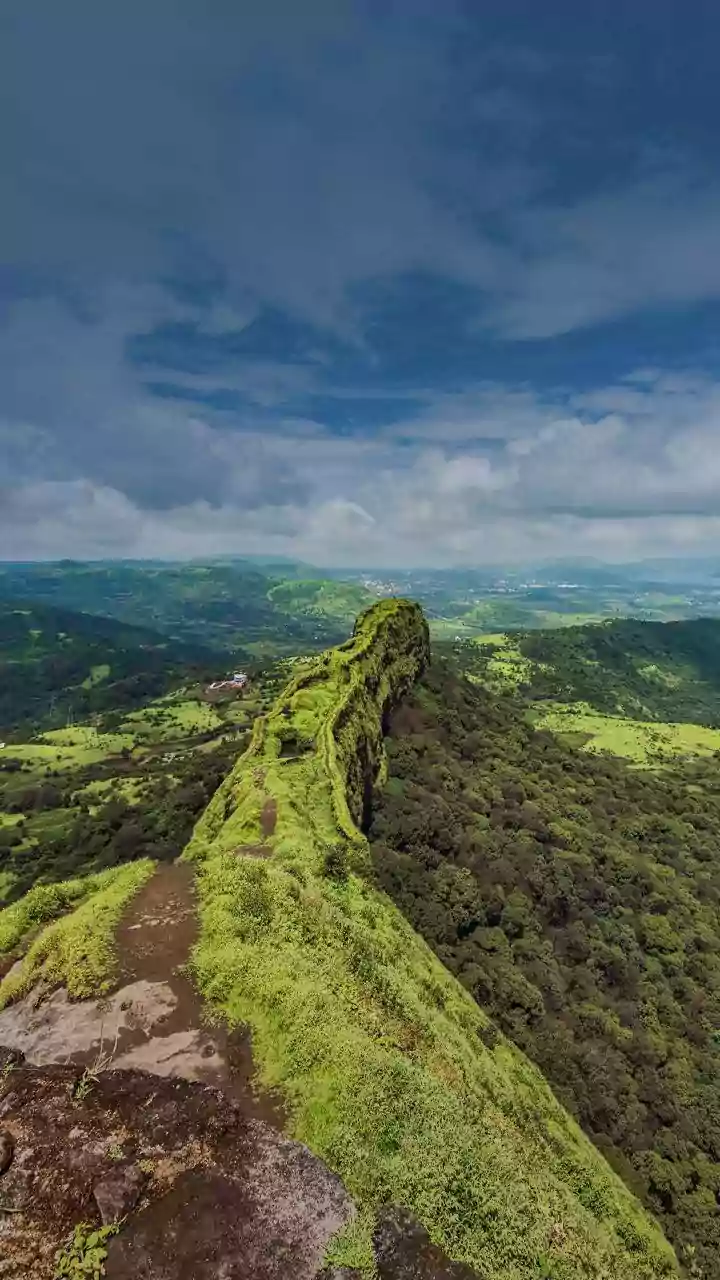
This connection becomes even more valuable during the monsoon. Your host knows the landscape in its wet and wild state. They can point you to a waterfall that is at its most majestic after a heavy rain or a viewpoint that is especially dramatic when the clouds part. They offer tips not just for sightseeing, but for being. They’ll advise you on the right footwear for muddy paths and the best time to venture out between showers. This guidance isn't transactional; it's personal, born of a genuine desire for you to love their home as much as they do.