






An Upgrade You Can Smell
So, why has this humble herb suddenly achieved It-plant status? It’s part of a larger shift away from sterile, minimalist kitchens toward spaces that feel warm, personal, and connected to nature. This trend, sometimes dubbed the “Nancy Meyers kitchen”
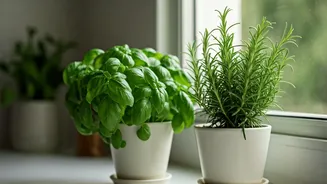
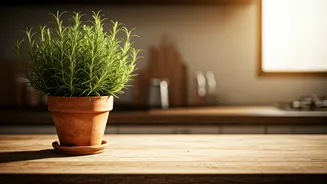
or “coastal grandmother” aesthetic, celebrates natural materials, fresh produce as decor, and a sense of effortless elegance. A rosemary plant is the perfect embodiment of this vibe. Its deep green, needle-like leaves provide beautiful, structural texture, while its rustic, Mediterranean feel adds an organic touch that stark marble or quartz countertops often need. More than just a visual element, rosemary offers a subtle, clean fragrance that’s released whenever you brush past it or a breeze drifts through the window, acting as a natural, non-toxic air freshener.
Finding the Right Plant
Walking into a nursery, you might be surprised by the variety. The most popular choice for countertops is the upright rosemary bush (Rosmarinus officinalis), which has a classic, wilder look. For something more formal and decorative, look for a topiary, where the plant has been trained into a ball or cone shape. When selecting your plant, check for vibrant green foliage without brown or yellow spots. The stems should be sturdy, not limp. Gently run your hand over the leaves; they should release a strong, pleasant scent and feel slightly oily. It’s better to buy a slightly larger, more established plant, as they are hardier and more forgiving than small, delicate starters. A plant in a 6-inch pot is typically a great starting point for a countertop display.
How to Style It
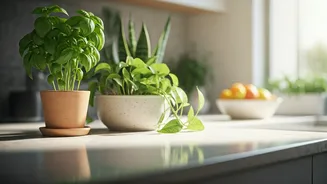
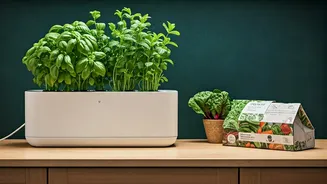
Placement and potting are key to nailing the look. Rosemary is a sun-worshipper, so find a spot on your counter that gets at least six hours of direct sunlight per day—a south-facing window is ideal. Once you have the spot, it’s time to choose a container. This is where you can tie the plant into your kitchen’s existing decor. A classic unglazed terracotta pot will enhance its rustic, earthy feel and has the added benefit of being porous, which helps prevent overwatering. For a more modern or sophisticated look, consider a simple ceramic pot in a neutral color like white, cream, or charcoal. To create a stylish vignette, group your rosemary with other functional, beautiful objects: a small stack of cookbooks, a wooden cutting board leaning against the backsplash, and a bowl of lemons or artichokes.
Keeping Your Rosemary Alive
The biggest mistake homeowners make with indoor rosemary is overwatering. This Mediterranean native is accustomed to dry, sandy soil and hates having “wet feet.” Let the top inch or two of soil dry out completely between waterings. To check, just stick your finger into the pot. When you do water, do it thoroughly until water runs out of the drainage hole, then discard the excess from the saucer. Good air circulation is also important to prevent mildew, so avoid cramming it into a tight corner. If your plant seems happy, you can leave it in its nursery pot (placed inside your decorative pot) for a few months, but plan to repot it into a slightly larger container with fresh, well-draining potting mix once a year to give its roots room to grow.
The Culinary Payoff
Unlike a purely decorative plant, rosemary pulls its weight in the kitchen. Having a fresh supply on hand elevates everyday cooking from a chore to a creative act. The convenience is unbeatable—no more buying a plastic clamshell of herbs for a single recipe only to watch the rest wilt in the fridge. Need to season some roasted potatoes or chicken? Just snip a sprig. Want to infuse a bottle of olive oil? Drop a stem inside. Simmering a pot of soup or tomato sauce? Add a stalk for an instant depth of flavor (and remove it before serving). Simply having it there encourages experimentation. It's a functional, flavorful, and fragrant addition that truly makes your kitchen the heart of the home.