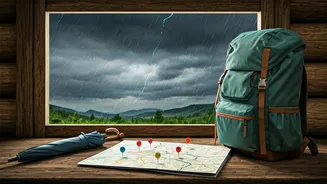







Embrace the Art of the Pivot
The first step to a successful rainy road trip has nothing to do with gear or apps—it’s a mindset shift. Instead of clinging to a rigid, hour-by-hour itinerary, think of your plan as a flexible framework. The goal of seeing the Grand Canyon at sunrise
might get washed out, but that doesn’t mean the day is a loss. The most memorable road trips are often defined by their unexpected detours, not by a perfectly executed checklist. Reframe rain not as an obstacle, but as a prompt. It’s the world’s way of suggesting a different path, encouraging you to discover the cozy diner, quirky local museum, or independent bookstore you would have otherwise driven right past. By letting go of the perfect trip you imagined, you open yourself up to the excellent trip that’s actually possible.
Build Your Digital Toolkit Before You Go
A flexible mindset needs practical tools to work. Before you even leave the driveway, load your phone with apps that empower spontaneity. Of course, have a reliable weather app with a good radar layer (like Weather Channel or AccuWeather) to see where the storms are in real-time. But don't stop there. Road trip planning apps like Roadtrippers or Wanderlog are invaluable; they allow you to plot a main route but also see thousands of points of interest along the way, from historical markers to bizarre roadside attractions. Critically, you can filter by category. When the rain starts, a quick search for “museums” or “cafes” within a 20-mile radius can save the day. Google Maps is also your friend here. Use the “Explore” tab to find nearby restaurants, and save potential indoor stops to a custom list before your trip begins. This isn't about over-planning; it's about front-loading your options so you can make a quick, stress-free decision when the skies open up.
Create a 'Rainy Day' Menu
While you can’t plan for every contingency, you can create a menu of backup options. For every major outdoor activity on your itinerary—a big hike, a day at the beach, a scenic overlook—spend ten minutes researching one or two indoor alternatives nearby. Think of it as creating a “Plan B” for each key location. If you were planning to hike in Zion National Park, your rainy-day menu might include the charming Grafton Ghost Town just outside the park, or a long, leisurely lunch at a well-regarded restaurant in Springdale. If a day on the New England coast gets rained out, your backup could be the maritime museum in the next town over or a tour of a local brewery. Keep this list in a simple note on your phone. You may never use it, but having a pre-vetted list of alternatives eliminates the frantic, in-the-moment scrambling that can lead to frustration and tension on the road.
Master the On-the-Fly Detour
So, the rain is here. It’s time to execute the pivot. The key is to make the call early and confidently. Don’t spend hours waiting for the rain to stop if the radar shows a system that’s settled in for the day. Huddling in the car hoping for a break is a recipe for misery. Instead, pull over at a gas station or coffee shop, open your apps, and review your rainy-day menu. Look at the map: is there a more interesting route to your final destination? Maybe the scenic highway is socked in, but a route through a few historic small towns is clear. Sometimes the best decision is to call it a day early. Check into your hotel, take a nap, and find the best movie theater or bowling alley in town. A road trip isn't just about the destinations; it's about the journey. Giving yourself permission to have a relaxing, low-key afternoon can recharge your batteries and make the next sunny day feel even sweeter.