
So, What Is a Mirchi Pakora?
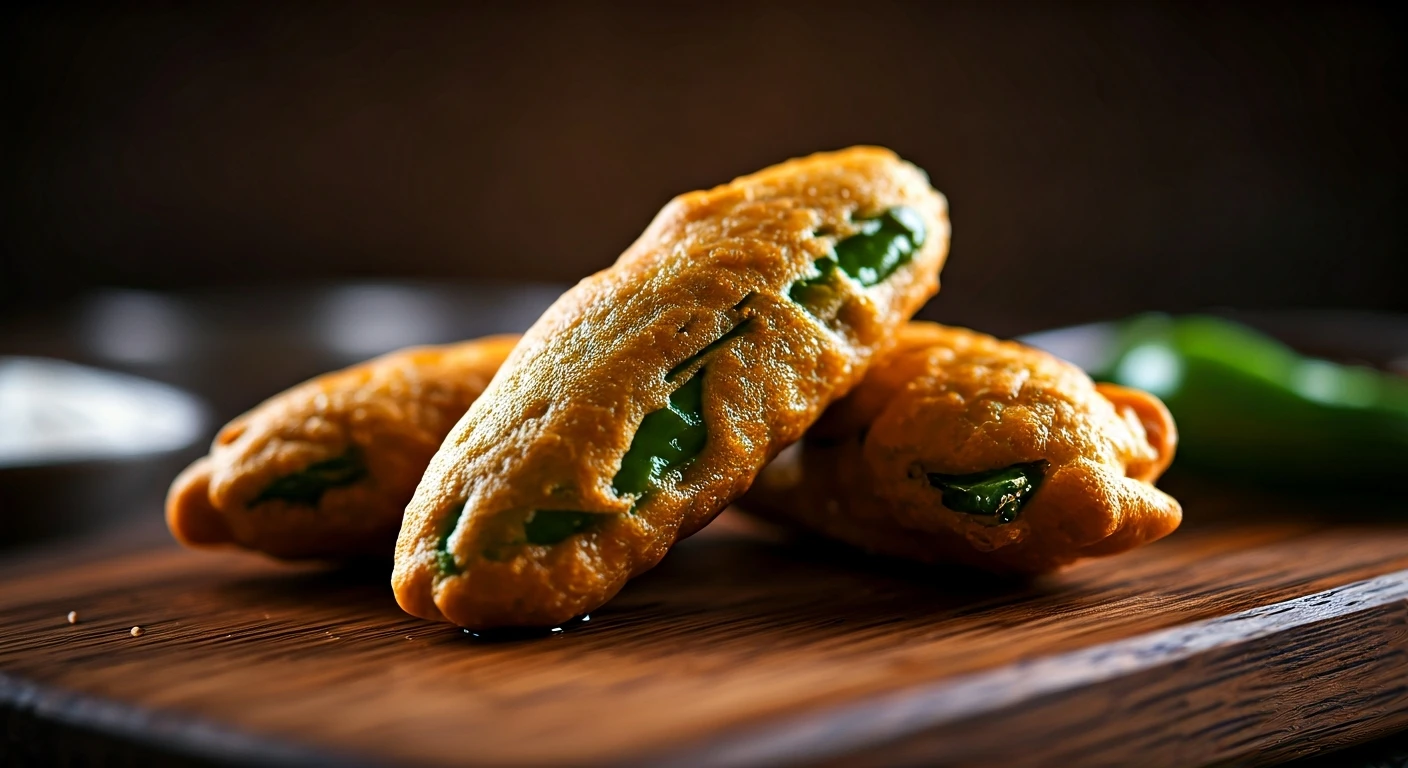
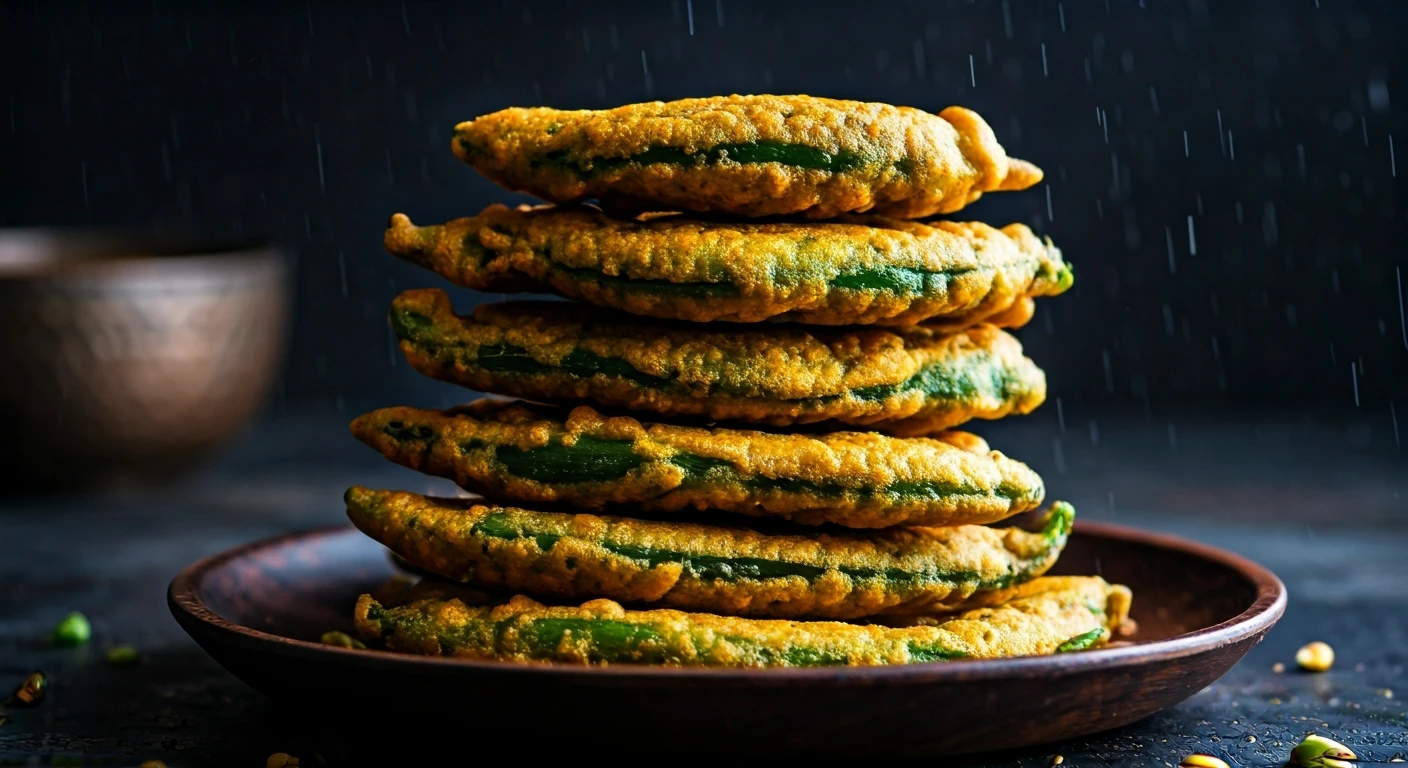
Imagine a large, relatively mild chili pepper—like a banana pepper or the special, pale green Bhavnagri chili used in India. Now, imagine that pepper is slit open, deseeded, and filled with a flavorful stuffing. This stuffing is often a zesty mix of spiced
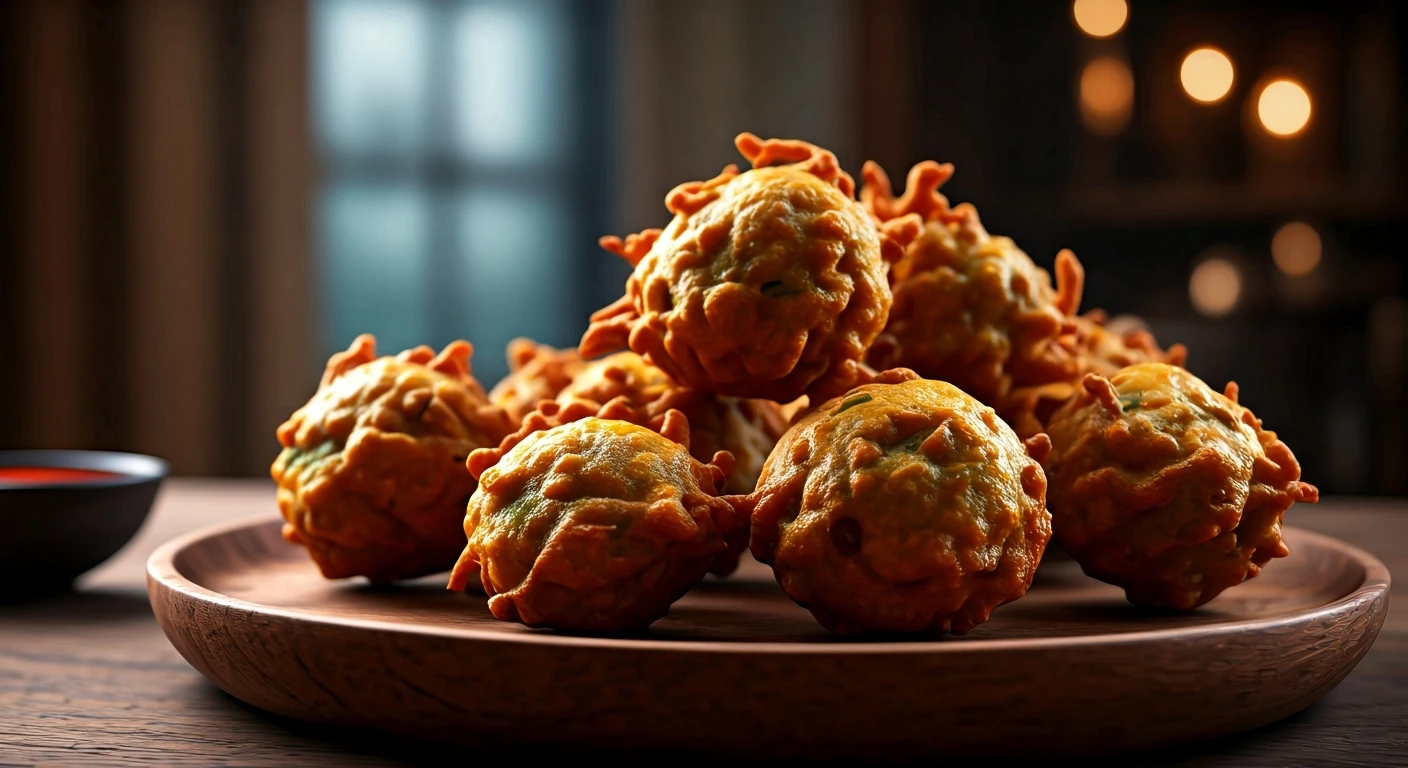
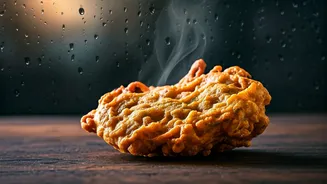
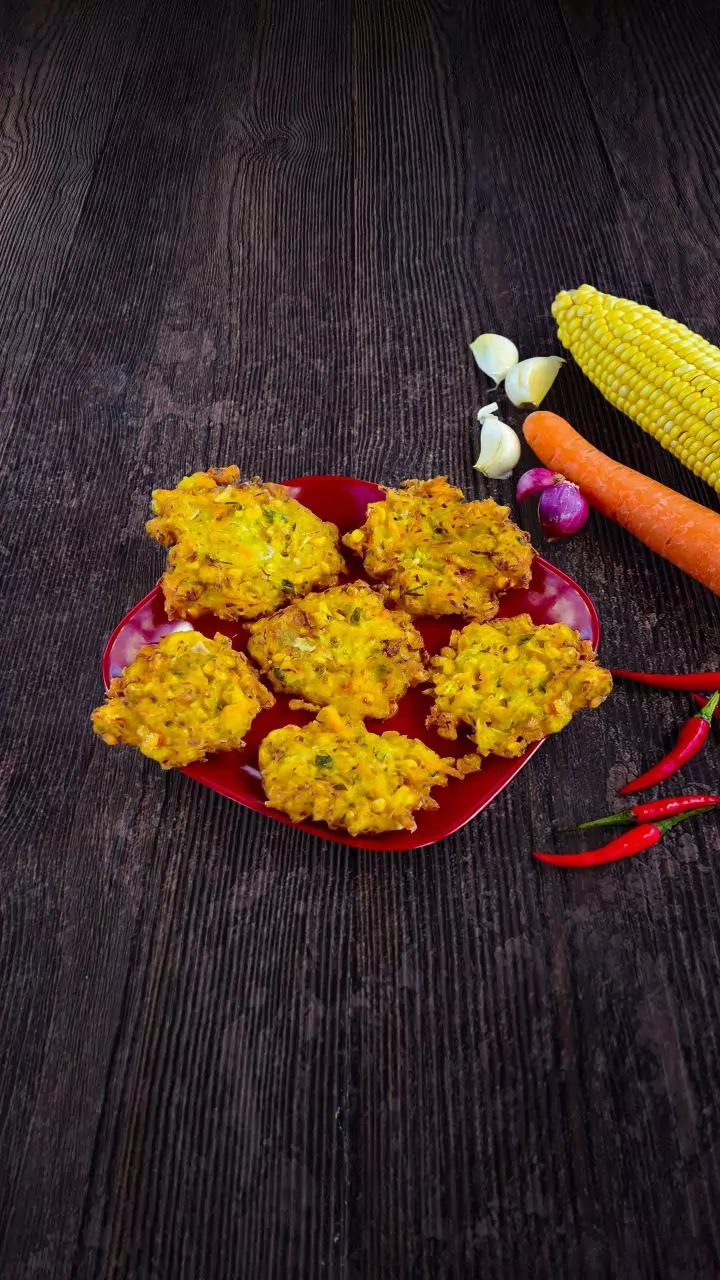
mashed potatoes, tangy amchur (dried mango powder), and fragrant herbs. The entire stuffed pepper is then dunked into a thick, savory batter made from besan (chickpea flour), seasoned with turmeric, chili powder, and ajwain (carom seeds), and deep-fried until it’s perfectly golden and audibly crispy. What emerges from the hot oil is a Mirchi Pakora, or chili fritter: a crunchy, soft, spicy, and savory marvel. It’s a study in contrasts, with a crisp shell giving way to a soft interior and a gentle heat that warms you from the inside out. Regional variations abound, with some Jodhpuri styles featuring a particularly sharp and tangy filling, while others keep it simple with just the battered pepper itself.
The Monsoon Connection
Across India and Pakistan, the arrival of the monsoon is a celebrated, transformative event. After months of scorching heat, the cooling rains bring relief, turning the landscape lush and green. This dramatic shift in weather also triggers a universal craving for specific foods. The desire for something “garma-garam” (piping hot) and crispy becomes almost primal. This is where the entire family of pakoras (fritters) comes in. From onion to potato to spinach, almost anything can be battered and fried into a delicious rainy-day snack. But the Mirchi Pakora holds a special place. It’s not just a snack; it’s an experience. The sound of the batter sizzling in hot oil often mingles with the sound of rain drumming on the roof, creating a multisensory symphony of comfort. The damp, cool air makes the spicy warmth of the fritter feel even more satisfying. It’s the perfect antidote to the gray, gloomy weather—a vibrant burst of flavor that lifts the spirits.
Why It’s a “Flex”
Calling it a “flex” isn’t just modern slang—it captures the spirit of the dish perfectly. Making or eating Mirchi Pakoras is a confident culinary statement. It's not just about satisfying a craving; it's about embracing the moment. It’s the act of stopping everything to head to a street-side stall where a vendor expertly fries batch after batch, serving them on a piece of newspaper to soak up the excess oil. It’s the ritual of gathering at home, with family members sharing the task of stuffing and frying while the rain pours down outside. In a culture that deeply connects food with emotion and occasion, the Mirchi Pakora is a symbol of joy and community in the face of gloomy weather. It’s a small, defiant celebration. It says, “The weather might be dreary, but we’re going to make it delicious.” That simple, powerful act of creating a moment of pure sensory pleasure is, in essence, a flex.
The Full Sensory Experience
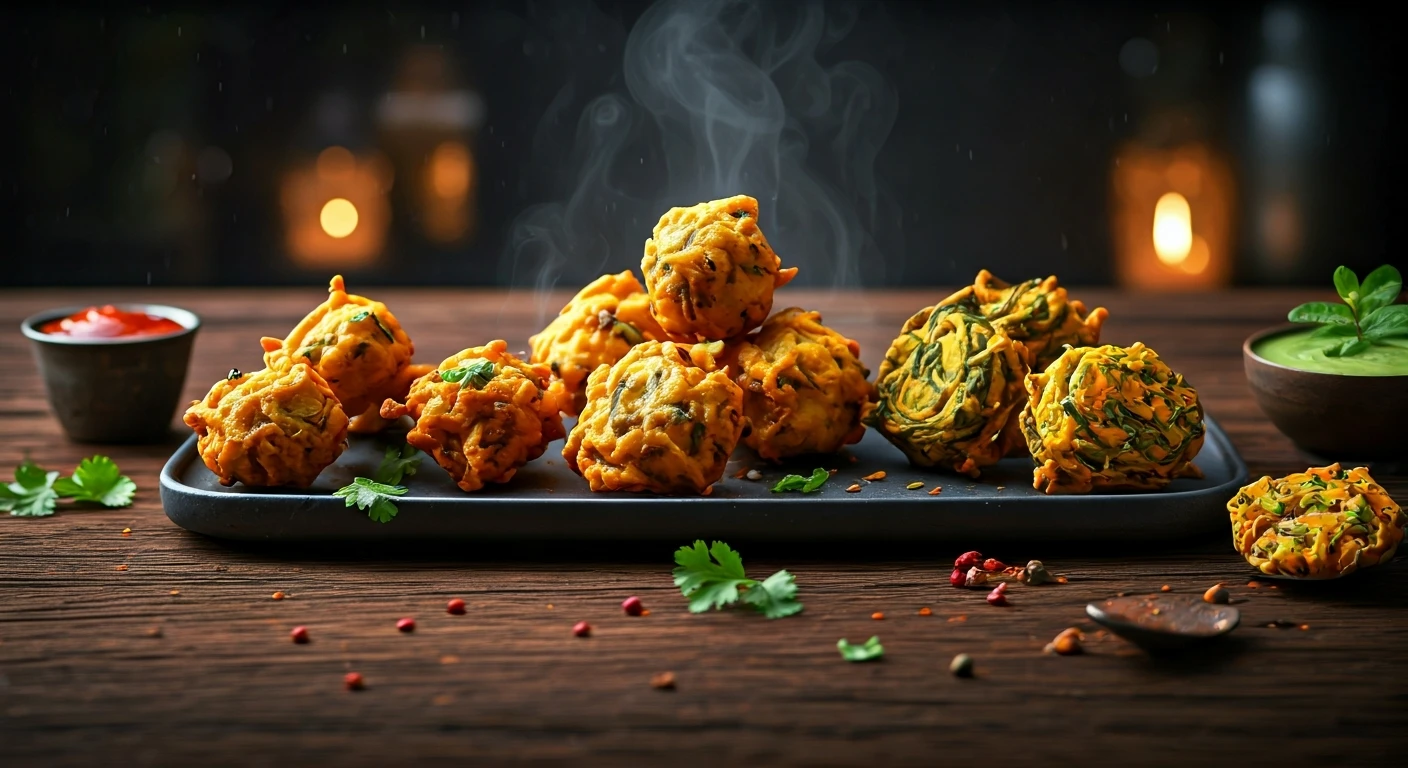
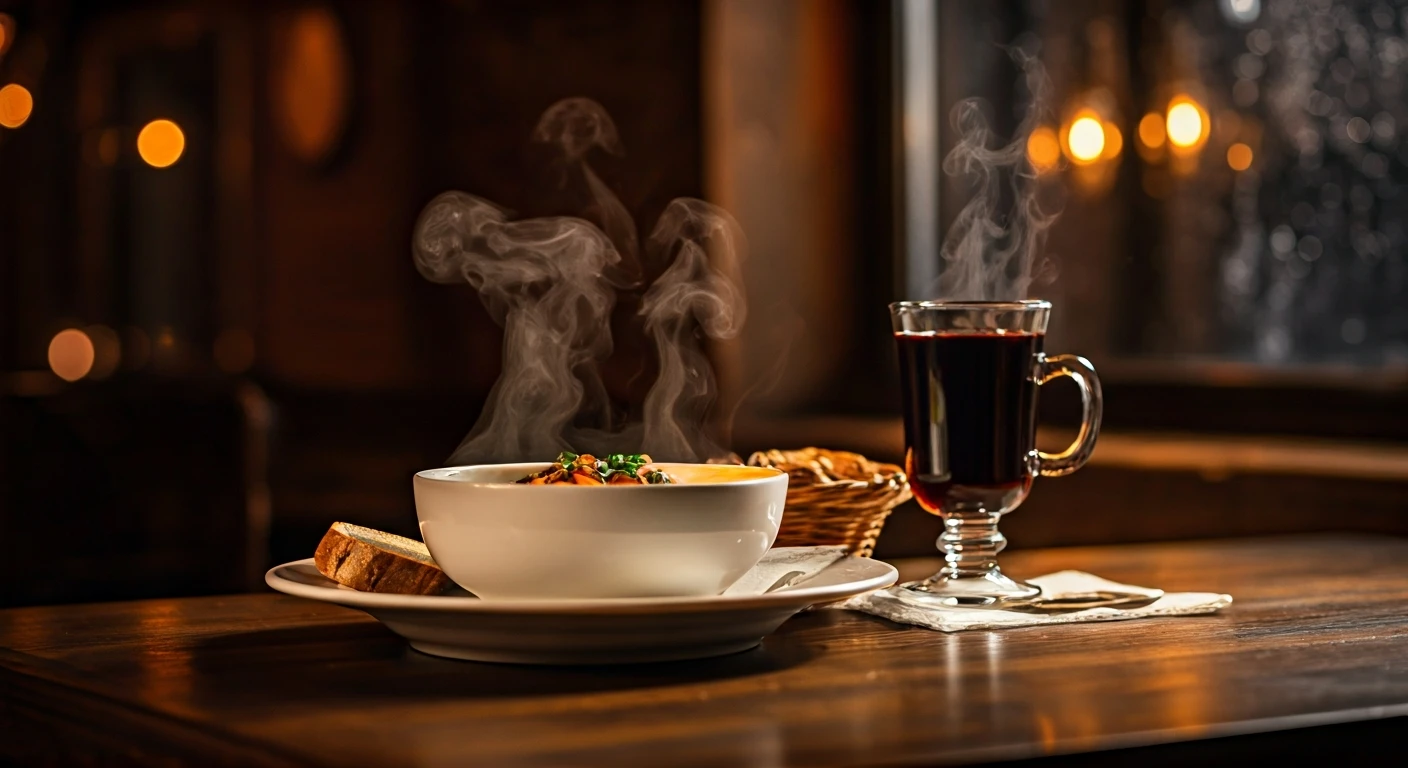
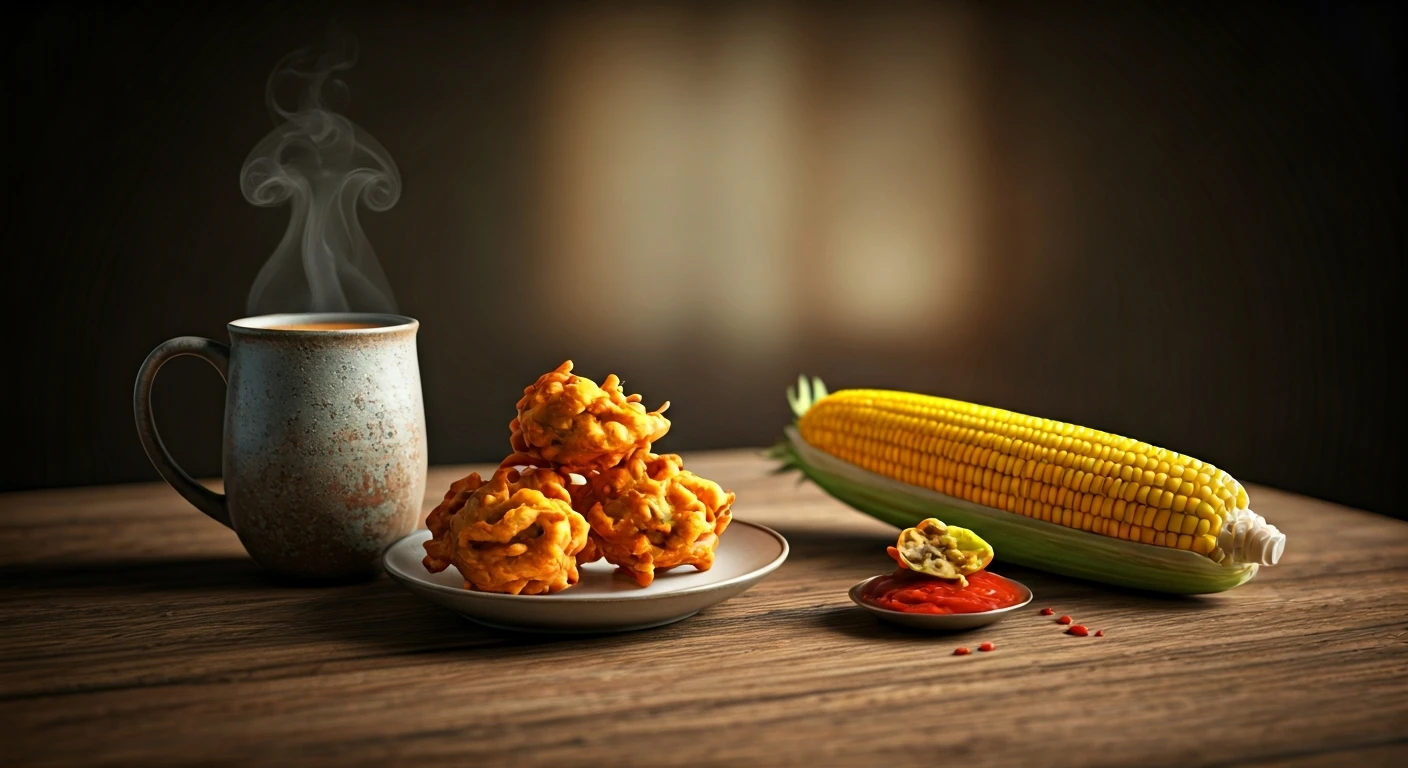
A Mirchi Pakora is rarely eaten alone. The full experience requires the right companions. First, the chutneys. A classic pairing is a duo of sauces: a sweet and tangy tamarind chutney and a fresh, cooling mint-coriander chutney. Dipping the hot, crispy pakora into the contrasting chutneys creates an explosion of flavor—hot, spicy, sweet, tangy, and herbaceous all in one bite. But the ultimate partner is a steaming cup of masala chai. The milky, aromatic, spice-infused tea is the perfect counterpoint to the fried fritter. The warmth of the chai complements the heat of the chili, while its creamy sweetness soothes the palate, preparing you for the next spicy bite. This iconic pairing—chai and pakoras—is the cornerstone of monsoon snacking, a ritual enjoyed in homes, cafes, and roadside dhabas across the subcontinent. It’s more than a meal; it’s a moment of blissful indulgence.