



The Rise of a Wellness Buzzword
“Gut health” has exploded from a niche medical topic into a multi-billion dollar wellness phenomenon. Influencers touting expensive powders and unverified food sensitivity tests promise to solve everything from bloating to anxiety by “healing your gut.”
This online ecosystem thrives on quick fixes and dramatic before-and-afters, often promoting protocols that are either ineffective or unnecessarily restrictive. The problem, experts say, is that this trendy version of gut health has become divorced from the science. It’s been packaged and sold as a product, creating confusion and anxiety for people simply trying to feel better. Dietitians are now on the front lines, working to reclaim the conversation and ground it in accessible, evidence-based reality.
Myth: You Need a Drastic 'Gut Reset'
One of the most persistent myths is the need for a “cleanse” or a drastic “gut reset.” These often involve highly restrictive diets, expensive juice fasts, or supplements that promise to purge your system of toxins. According to registered dietitians, this is not how the gut works. Our bodies, particularly the liver and kidneys, are already expert detoxifiers. Most cleanses are nutritionally inadequate and the weight lost is typically water and muscle, not fat. Instead of a hard reset, dietitians advocate for a gentle, consistent approach. They focus on *adding* beneficial foods rather than wholesale elimination. The goal isn't to punish your body for a week but to build sustainable habits that nourish your gut microbiome over a lifetime.
Reality: Boring Old Fiber Is the Real Star
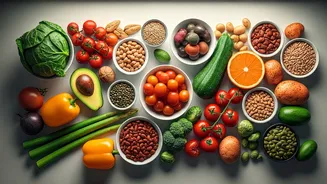
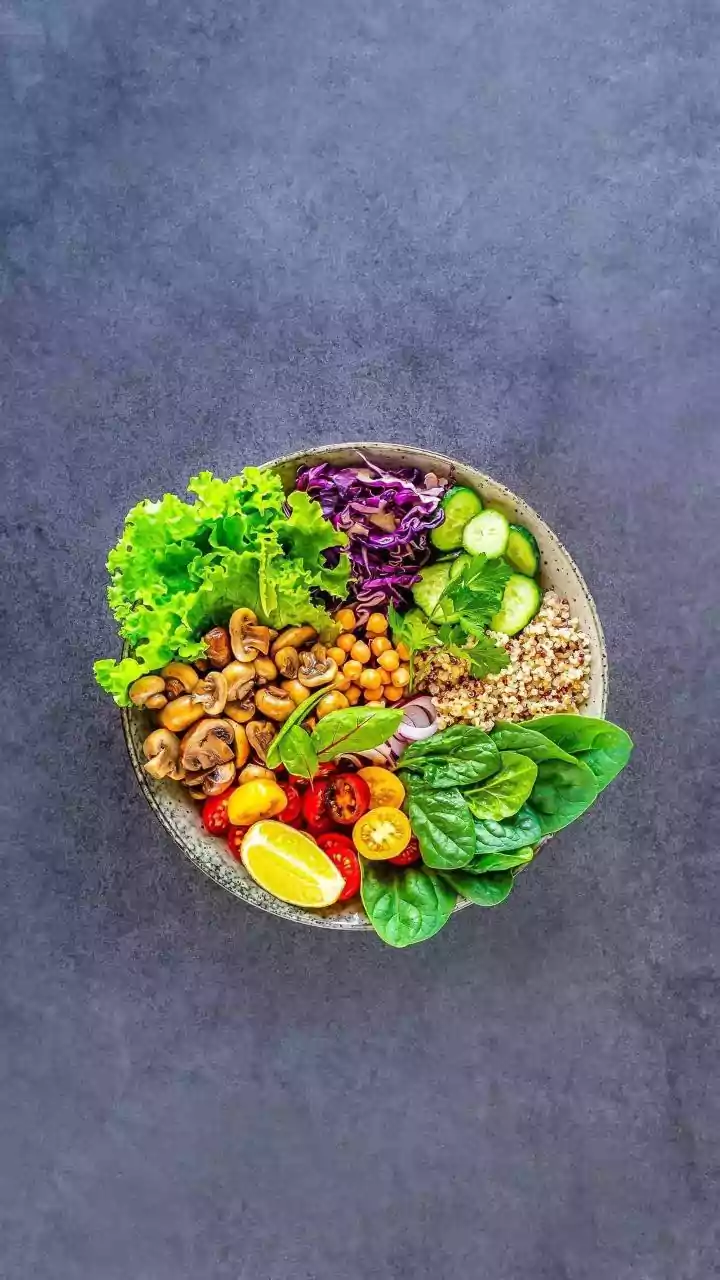
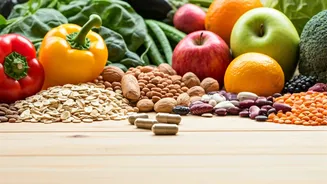
If gut health had a celebrity spokesperson, it wouldn’t be a glamorous supplement; it would be humble, boring fiber. This is the single most important message dietitians are trying to get across. Fiber, especially the diverse types found in fruits, vegetables, whole grains, nuts, and legumes, is what the beneficial bacteria in your gut (your microbiome) eat. These microbes ferment fiber into compounds called short-chain fatty acids, which reduce inflammation, strengthen the gut lining, and support overall health. While the trendy advice might point you to a single “superfood,” dietitians emphasize diversity. The goal should be to eat a wide variety of plant-based foods—aiming for 30 different types a week is a common recommendation—to cultivate a robust and resilient gut ecosystem.
Myth: A Probiotic Pill Is the Answer
The supplement aisle is overflowing with probiotics, often marketed as a cure-all for digestive woes. While specific strains of probiotics have been proven effective for specific conditions (like antibiotic-associated diarrhea), the idea that everyone needs to take a daily, multi-strain probiotic is not supported by strong evidence. The supplement industry is largely unregulated, and many products don't contain what they claim. Dietitians often steer clients toward food-first sources of probiotics, such as yogurt, kefir, kimchi, and sauerkraut. These fermented foods provide beneficial bacteria along with a matrix of other nutrients. They offer a more holistic—and often cheaper—way to support your gut than a daily pill.
Reality: It’s About More Than Just Food
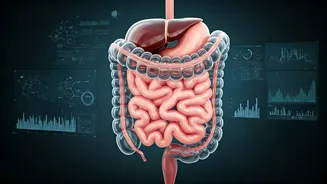
Finally, real gut health isn’t just about what you eat. Dietitians are helping clients see the bigger picture, one that wellness marketers often ignore because it isn’t easily packaged and sold. The gut-brain axis is a powerful, two-way communication highway. Chronic stress can have a profoundly negative impact on your gut function and microbiome composition. Therefore, true gut health support involves stress management techniques like mindfulness, meditation, or even just taking a walk. It also includes getting adequate sleep, staying hydrated, and engaging in regular physical activity. This holistic view is less glamorous than a miracle powder, but it’s the foundation of a genuinely healthy and resilient digestive system.