





Beyond the Poncho: The Rise of Technical Fabrics
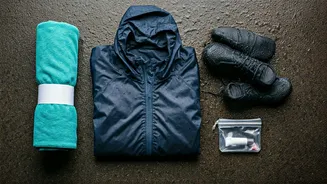
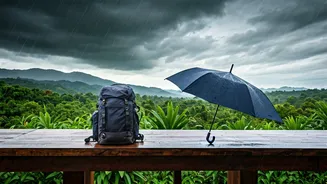
For years, the advice for rainy destinations was a cheap plastic poncho or a bulky rain jacket. Today’s practical packing lists have moved on. The focus is now on lightweight, breathable, and genuinely waterproof technical shells. Think GORE-TEX Paclite
or similar fabrics that keep you dry from the outside without turning into a personal sauna from the inside. Influencers and seasoned travelers now demonstrate how these jackets pack down to the size of a fist and, crucially, dry in minutes inside an air-conditioned room. The new wisdom isn't just about staying dry, but about staying comfortable and being able to re-wear your gear the next day without it smelling of mildew.
Smarter Footwear: Ditching Flimsy Flip-Flops
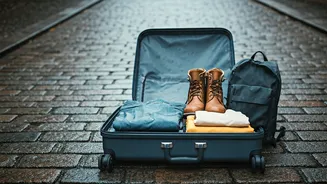
Flip-flops in a downpour are a recipe for disaster—slippery, dirty, and offering zero protection from puddles of questionable origin. The new practical advice champions two specific types of footwear. First, waterproof, quick-drying sandals with secure straps, like those from Teva or Keen. These offer grip and can be rinsed off easily. Second, for more intense treks or city walking, are lightweight, waterproof hiking shoes or even minimalist amphibious shoes. These provide ankle support and protection while being designed to get wet and dry quickly, a far cry from the old advice of bringing heavy, slow-drying leather boots.
Absolute Waterproofing for Your Gear
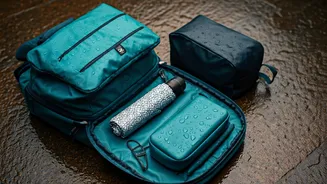
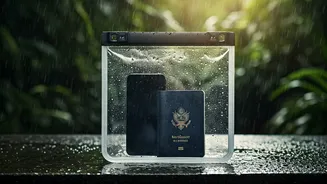
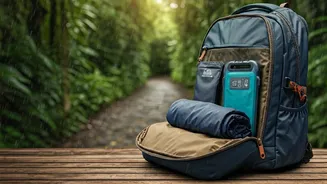
“Keep your electronics in a Ziploc bag” feels laughably quaint now. The current standard is a dedicated dry bag. Once the exclusive domain of kayakers, these roll-top, vinyl-welded bags are now a packing list staple. Travelers showcase using a large one as a backpack liner and smaller ones to compartmentalize passports, cameras, and battery packs. This ensures that even if your main backpack gets soaked in a sudden squall while waiting for a ferry, your essentials remain bone dry. It’s a shift from hopeful water resistance to guaranteed waterproofing, reflecting a zero-tolerance policy for water-damaged tech.
The Anti-Humidity Arsenal
Practicality now extends beyond just rain to its inescapable sidekick: humidity. Packing lists are getting specific about combatting the dampness that seeps into everything. This includes recommendations for anti-humidity hair sprays, silica gel packets to throw into luggage and camera bags to absorb moisture, and even small, portable dehumidifying packs for closets in hotel rooms. Some content creators even suggest packing solid toiletries (shampoo bars, conditioner bars) not just for eco-friendliness, but because they are less prone to leaking and performing poorly in ultra-humid conditions.
Quick-Dry Clothing Is Non-Negotiable
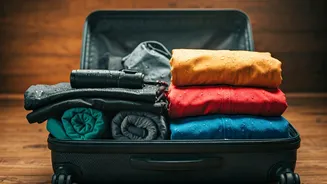
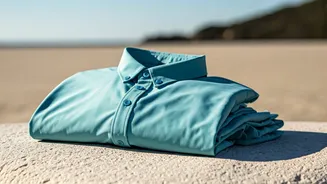
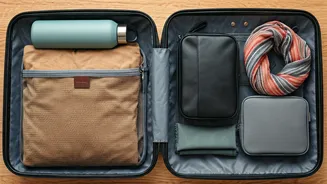
The days of packing heavy cotton shirts are over for savvy monsoon travelers. Content now focuses almost exclusively on synthetic or merino wool blends. The key isn't just that they dry fast after being washed in a hotel sink; it's that they don't hold moisture from humidity and sweat, keeping you cooler and more comfortable throughout the day. You'll see packing cubes filled with thin merino wool t-shirts, which are naturally odor-resistant, and quick-dry nylon travel pants that can go from a rain-soaked jungle trek to dinner with a quick wipe-down. This isn't about fashion; it's about the pure functionality of wearing clothes that work with the environment, not against it.