

A Stage on the 'Roof of the World'
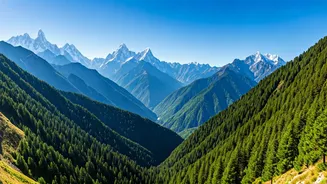
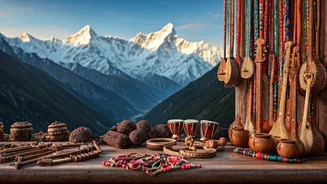
The Shimla Summer Festival isn't held in a sterile convention center or a fenced-off field. Its main stage is The Ridge, a sprawling open space in the heart of the city that offers breathtaking panoramic views of the snow-capped Himalayan range. This
isn't just a backdrop; it's an essential part of the experience. Attending a concert here feels like you're at the top of the world, with ancient mountains serving as a silent audience. The festival, which has run annually since the early 1960s, was designed to mark the beginning of the tourist season, transforming a space once reserved for the strolling colonial elite into a democratic celebration for everyone.
A Living Bridge to a Storied Past
To understand the festival's soul, you have to understand Shimla. This was once the summer capital of British India, the seasonal seat of power for an entire empire. The city's neo-Gothic architecture and Tudor-style buildings are remnants of that era. The Summer Festival cleverly bridges that colonial past with modern Indian identity. It takes place along the Mall Road and The Ridge, the very pathways where British viceroys and officials once promenaded. Today, instead of hushed imperial processions, these streets thrum with the energy of folk artists, local artisans, and visitors from around the globe. It's a powerful and joyful reclamation of public space.
An Immersion in Himachali Culture
While the festival often features famous Bollywood singers to draw crowds, its true heart lies in the celebration of local Himachali culture. Throughout the week, The Ridge becomes a kaleidoscope of color and sound. You'll witness troupes performing the 'Nati,' a traditional folk dance from the region, their intricate movements telling stories of mountain life. Musicians play traditional instruments, filling the air with melodies that feel as old as the hills themselves. It’s an authentic, living showcase, not a re-enactment. For an American traveler, it offers a genuine window into the diverse and vibrant traditions of the Himalayan states, far from the more familiar tourist circuits of Delhi or Rajasthan.
A Feast for All Senses
The festival is about more than just performances. It's a full-body sensory experience. Food stalls pop up, offering everything from local Himachali cuisine—like 'Siddu' (a steamed bread) and 'Dham' (a traditional feast)—to the ubiquitous street food loved all over India. The air is thick with the competing aromas of savory snacks and sweet desserts. There are also flower shows displaying exotic local flora, photography competitions, and even a dog show, adding a charmingly local and sometimes quirky feel to the proceedings. It’s a community gathering on a grand scale, where the joy is infectious and participation is as simple as taking a stroll.