
The End of the Foodie Olympics
For the better part of a decade, the American food scene felt like a competitive sport. Fueled by Instagram and a relentless chase for novelty, diners were encouraged to become culinary explorers. The goal wasn't just to eat, but to conquer: the spiciest
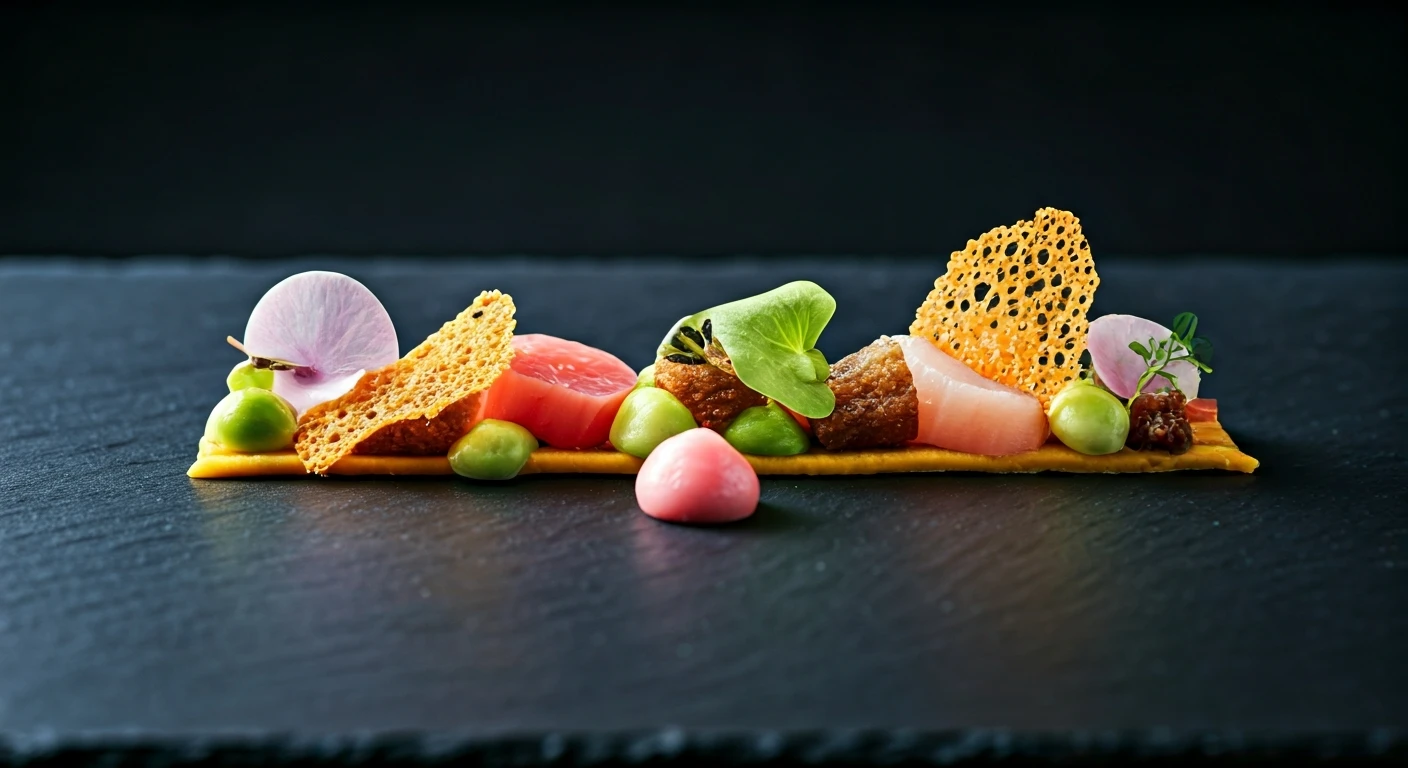
chicken, the most deconstructed dessert, the most bizarre fusion (kimchi poutine, anyone?). Food trucks and pop-ups were the primary arenas for this contest, serving up daring, photogenic, and sometimes confounding creations. This was the era of the 'foodie' as an identity, where a willingness to eat crickets or try a charcoal-infused latte was a badge of honor. But a sense of fatigue has set in. What started as exciting exploration began to feel like performative work. Diners are experiencing what some in the industry call 'concept fatigue'—a weariness of overly complex menus, high-concept gimmicks, and the pressure to always try something new. The thrill of the unknown is giving way to the deep satisfaction of the known-and-loved. Instead of asking 'what's the weirdest thing on the menu?,' the prevailing question is becoming, 'what's going to be reliably delicious?'
The Comfort of Certainty in Uncertain Times
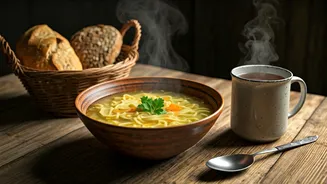
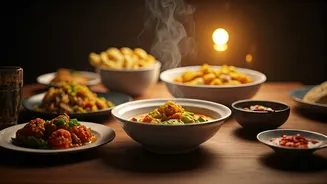
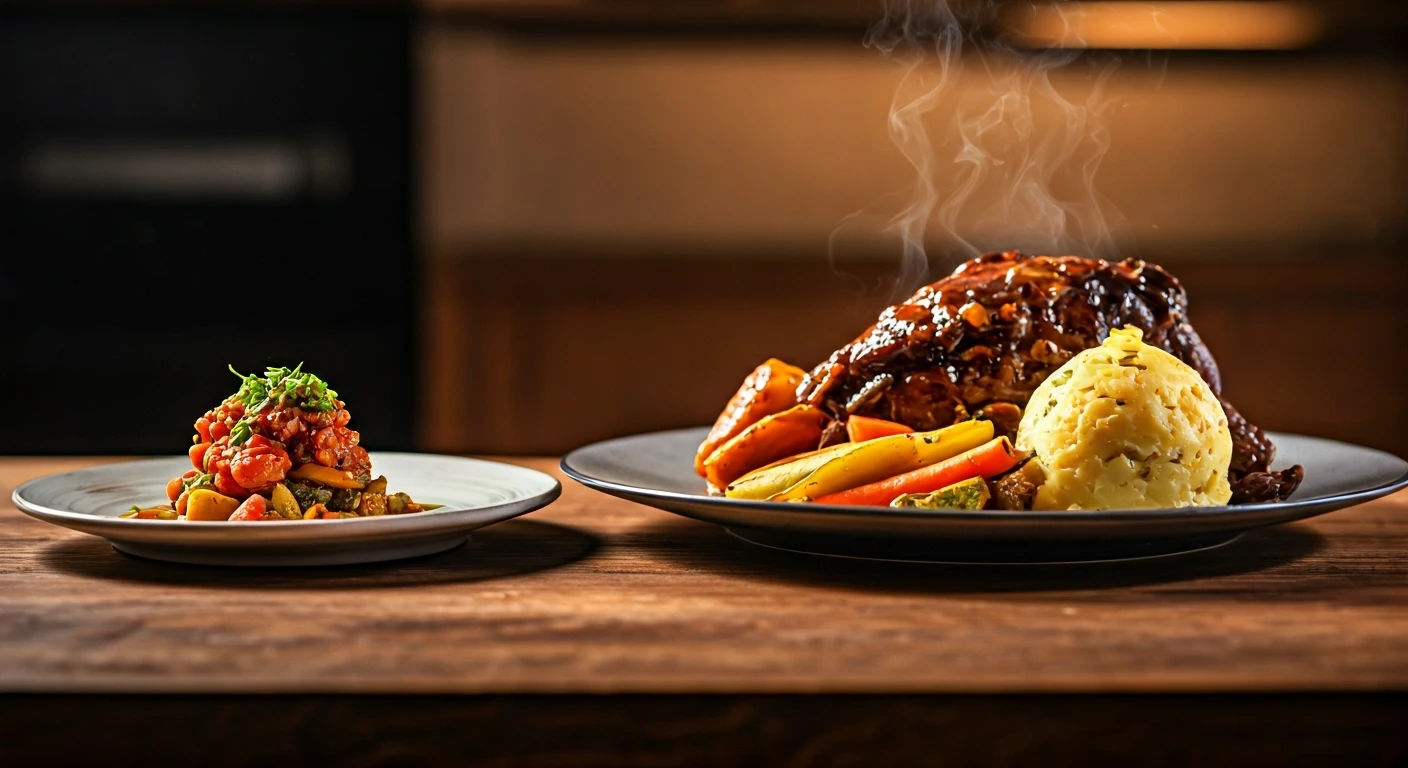
When your wallet feels lighter and the headlines are stressful, your appetite for risk tends to shrink. This principle is now playing out on our dinner plates. With inflation making every dollar count, spending $18 on an experimental dish that might be a miss feels like a bad gamble. But spending that same money on a perfectly executed plate of lasagna, a hearty chicken pot pie, or a classic, juicy cheeseburger feels like a safe and deeply satisfying investment. This is the economic engine driving the return to comfort. Home-style food offers a guarantee of enjoyment. You know what you’re getting, and you know you’ll like it. It’s an emotional security blanket in a convenient, edible form. Restaurants are responding in kind. Menus are seeing a resurgence of classics, often with a slight elevation—think 'Grandma’s recipe, but with better ingredients.' It’s a strategy that minimizes risk for both the business and the consumer, creating a win-win in a tight economy.
A Craving for Connection and Nostalgia
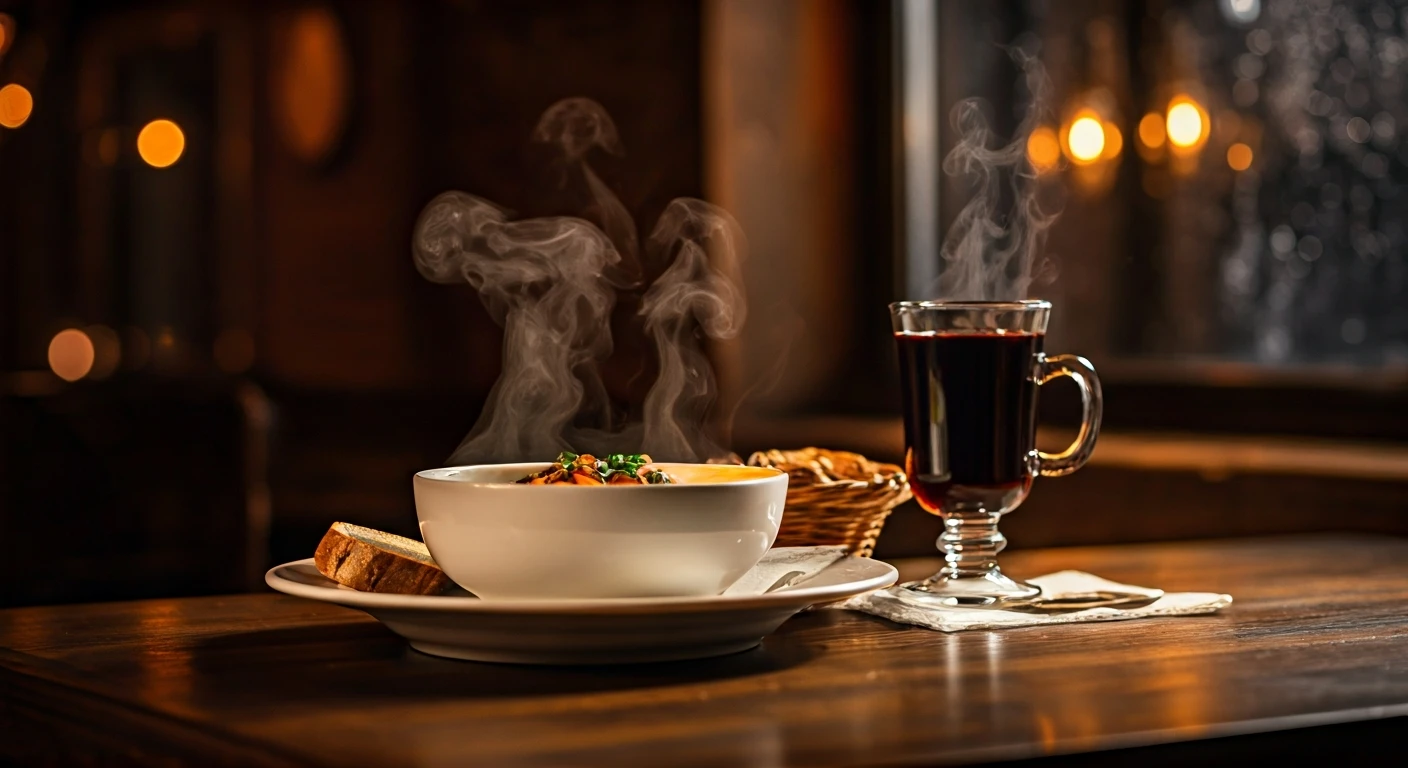
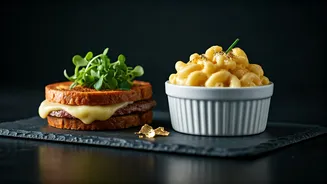
Beyond the economics, there's a powerful psychological current at play. The collective trauma and isolation of the pandemic years left many of us craving genuine connection and warmth. Food that evokes nostalgia—the memory of a family dinner, a childhood favorite, or a dish that just feels like a hug—is uniquely capable of providing that emotional resonance. Eating a bowl of mac and cheese isn't just about the calories; it's about tapping into a feeling of safety, care, and simpler times. This isn't just about American comfort classics, either. The trend encompasses what you might call 'global comfort.' The explosive popularity of rich, slow-braised birria tacos or the comforting warmth of a great bowl of ramen fits perfectly within this framework. These dishes deliver the same soul-soothing satisfaction as a meatloaf dinner, just with a different flavor profile. They are, at their core, home-style meals, connecting us to a sense of tradition and community, whether it's our own or one we're gratefully adopting.
The New Definition of Street Food
So, is the adventurous street food scene dead? Not at all. It's evolving. The headline 'Risky Street Eats Are Losing' isn't about food safety; it's about culinary risk-taking. The most successful food trucks and fast-casual spots today aren't necessarily the ones with the most outlandish fusion concepts. Instead, they are often the ones that have mastered a single, comforting, craveable item and made it portable. Think of the trucks dedicated to perfecting the Nashville hot chicken sandwich, the vendors slinging regional-style pizza slices, or the stands serving up bowls of creamy cacio e pepe. They are essentially delivering home-style meals without the house. They've recognized that 'street food' doesn't have to mean 'experimental.' It can simply mean 'great food, served accessibly.' The risk has been taken out of the equation, replaced by a promise of pure, unadulterated deliciousness.