




Why 'Eating Your Water' Works
The advice to drink eight glasses of water a day is a well-known, if slightly simplified, guideline. But hydration isn’t just about the volume of liquid you consume. When you drink plain water, it can sometimes pass through your system relatively quickly.
Hydrating foods, however, offer a more complex package. Fruits and vegetables are packed with water that is naturally structured within the food's fibrous matrix. This can cause the water to be absorbed more slowly, providing a steadier release of hydration to your body's cells. Furthermore, these foods come with a built-in bonus: electrolytes. Minerals like potassium, sodium, and magnesium are crucial for helping your body actually absorb and retain water, making food-based hydration particularly efficient.
Cucumber: The Hydration Hero
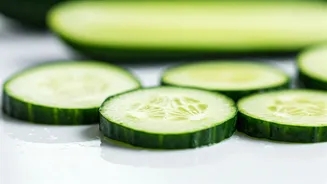
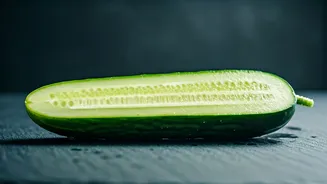
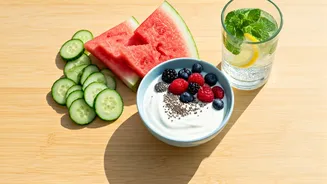
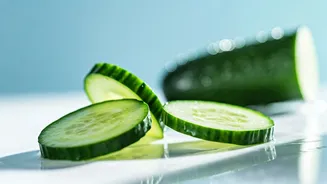
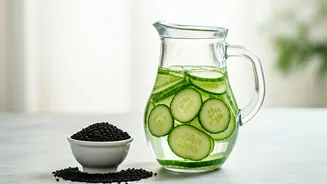
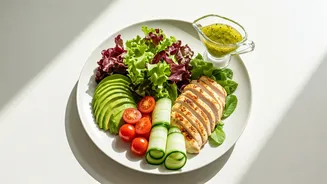
Composed of about 96% water, cucumbers are at the top of the hydration charts. They are incredibly versatile and low in calories, making them an easy addition to any diet. But it's not just about the water content. Cucumbers contain antioxidants and anti-inflammatory properties. For a refreshing boost, slice them into salads, blend them into a green smoothie, or simply infuse them in your water bottle for a spa-like twist. On a hot day, a chilled cucumber salad with a bit of dill and yogurt isn't just a snack; it's a delicious tool for rehydration.
Watermelon: A Slice of Summer Hydration
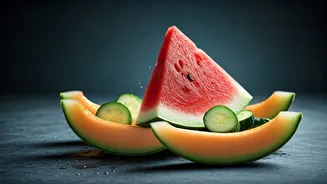
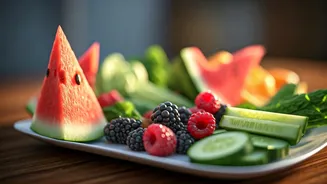
It has “water” in the name for a reason. Watermelon is about 92% water and is one of the most hydrating fruits you can eat. It’s also a fantastic source of lycopene, a powerful antioxidant that gives it its red color and helps protect cells from damage. More importantly for hydration, watermelon contains key electrolytes like potassium. The combination of water, natural sugars for energy, and electrolytes makes it an ideal post-workout or hot-day snack. Try it cubed in a salad with feta and mint, blended into a refreshing juice, or frozen into healthy popsicles.
Strawberries: Sweet, Juicy, and Effective
Don't let their small size fool you. Strawberries pack a hydrating punch, with a water content of around 91%. They are also loaded with Vitamin C, manganese, and flavonoids, which contribute to their antioxidant power. Their natural sweetness makes them a perfect hydrating snack for kids and adults alike. They add moisture and flavor to oatmeal, yogurt, and summer salads. For an elegant and hydrating dessert, simply slice them and let them sit for a few minutes to release their natural juices.
Celery: The Crunchy, Refreshing Choice
Often overlooked, celery is a hydration superstar, boasting a water content of approximately 95%. Its crunch is incredibly satisfying, and while it might seem like just water and fiber, it's more complex than that. Celery contains small amounts of sodium, potassium, and other minerals that act as electrolytes, helping your body maintain fluid balance. It’s the perfect vehicle for dips like hummus or peanut butter, adding a hydrating element to your snack. You can also chop it into soups, stews, and salads for a subtle, savory crunch that helps keep you hydrated throughout your meal.
Bell Peppers: A Colorful Hydration Boost
All colors of bell peppers—green, red, yellow, and orange—are excellent sources of water, with a content of about 92%. They are also one of the best dietary sources of Vitamin C, especially the red variety, which contains more than 150% of your daily value in a single serving. This makes them a great food for supporting your immune system while you hydrate. Slice them up for dipping, toss them into a stir-fry, or roast them to bring out their natural sweetness. Their crisp texture and high water content make them a refreshing and satisfying addition to any meal.