
Meet the New Old Guard
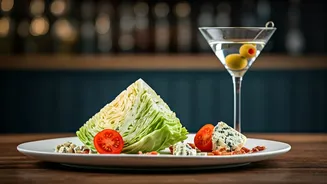
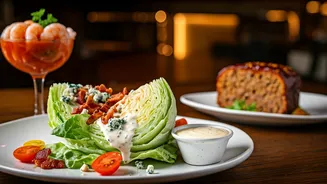
Take a look at the hottest restaurant menus and you’ll see it. The shrimp cocktail, served un-ironically in its classic fluted glass with a fiery red sauce. The wedge salad, a proud triangle of iceberg lettuce drenched in blue cheese dressing. The dirty
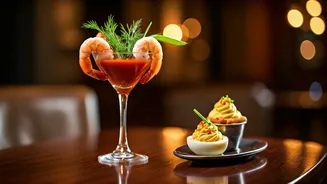
martini, so cloudy with olive brine it’s practically opaque. For years, these dishes were relegated to the culinary dustbin, dismissed as stuffy steakhouse fare or relics of a bygone, three-martini-lunch era. They were the supporting cast, the predictable appetizer you ordered without thinking. No longer. Today, these traditional bites are being reclaimed with gusto. Chefs are not just recreating them, but celebrating them. They’re using high-quality ingredients—jumbo prawns, artisanally-made blue cheese, premium gin—but crucially, they’re not “elevating” them beyond recognition. The appeal lies in their unapologetic simplicity. In a world saturated with complex tasting menus and esoteric ingredients, the straightforward satisfaction of a perfect deviled egg or a crisp slice of garlic bread feels radical, confident, and undeniably cool.
The Joy of Unapologetic Indulgence
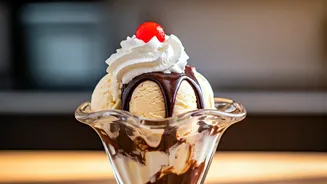
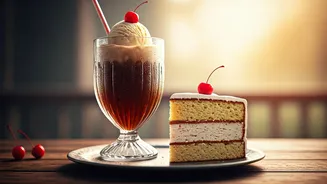
Part of this resurgence is a direct, and perhaps necessary, backlash against the wellness culture that has dominated food for the past decade. We’ve been told to eat clean, cut carbs, optimize our gut biomes, and treat food as fuel. While there’s nothing wrong with healthy eating, the constant pressure to purify our plates can be exhausting. This trend is the culinary equivalent of letting your hair down. It’s a vote for pleasure over perfection. Ordering a towering slice of chocolate fudge cake or a creamy, rich dish of fettuccine Alfredo isn't a guilty secret anymore; it's a statement. It declares, “I am here to enjoy myself.” This isn’t about mindless gluttony. It’s about a mindful return to foods that are designed to bring joy, not to fit into a restrictive dietary framework. It’s the “main character energy” of someone who orders what they truly want, without apology or explanation. It’s food that feels good, both in the mouth and in the soul.
Nostalgia as a Comfort Blanket
Of course, we can’t talk about classic food without talking about nostalgia. In times of social, political, and economic uncertainty, we instinctively reach for the familiar. These dishes are culinary comfort blankets, transporting us back to a time we perceive as simpler, even if we never lived through it. A shrimp cocktail can evoke the Rat Pack glamour of the 1960s. A classic cheeseburger and fries summon the carefree feeling of a 1950s diner. It’s a form of edible time travel. This isn't just wistful pining for the past. It's an active search for stability and warmth. These foods have a narrative baked in. They come with stories—of family gatherings, classic restaurants, or iconic movie scenes. By ordering them, we’re not just eating; we’re tapping into a shared cultural history. It's a way of grounding ourselves in a world that often feels chaotic and untethered, one comforting, recognizable bite at a time.
The Perfectly Photogenic Throwback
Finally, let's be honest: these dishes look good on camera. In an age where every meal is a potential Instagram post, aesthetics matter. While a brown lentil stew might be delicious, it doesn’t have the immediate visual punch of a martini with a perfect olive, the architectural splendor of a club sandwich held together with frilled toothpicks, or the vibrant contrast of a Waldorf salad. These foods have distinct, iconic shapes and a bold, almost graphic quality. They are instantly recognizable. Their very “old-fashioned” nature makes them stand out in a feed full of homogenous, beautifully lit grain bowls. The retro aesthetic feels fresh and interesting again. Posting a picture of a perfectly executed shrimp cocktail is a flex—it signals you’re in on a trend that’s about being confidently, stylishly out of step with the immediate past.