



First, What Is Ekadashi?
Before we dive into the drinks menu, let's get grounded. Ekadashi, which translates to “the eleventh day,” occurs twice in each lunar month of the Hindu calendar. It’s a day considered particularly auspicious for spiritual practices, prayer, and deepening
one’s connection to the divine, specifically Lord Vishnu. One of the most common ways to observe Ekadashi is through fasting. The practice is seen as a way to cleanse the body, detoxify the system, and, most importantly, direct the mind away from worldly pleasures and toward spiritual pursuits. While the specific rules can vary by family and region, the most common form of fasting involves abstaining from all grains, beans, and lentils.
The Fasting Spectrum: To Drink or Not to Drink?
This is where the conversation around hydration gets critical. Not all Ekadashi fasts are the same. The most common and widely recommended approach, especially for those new to the practice or living active lives, involves consuming water and certain other foods. However, some devout practitioners undertake a 'nirjala' fast, which means abstaining from both food and water. This is an extremely rigorous form of fasting that should only be attempted by those who are in excellent health and have significant experience. For the vast majority of people, focusing on hydration is the wisest and safest path. A hydrated fast allows you to maintain clarity and energy for prayer and reflection, which is the ultimate goal of the day.
Your Ekadashi Hydration Toolkit
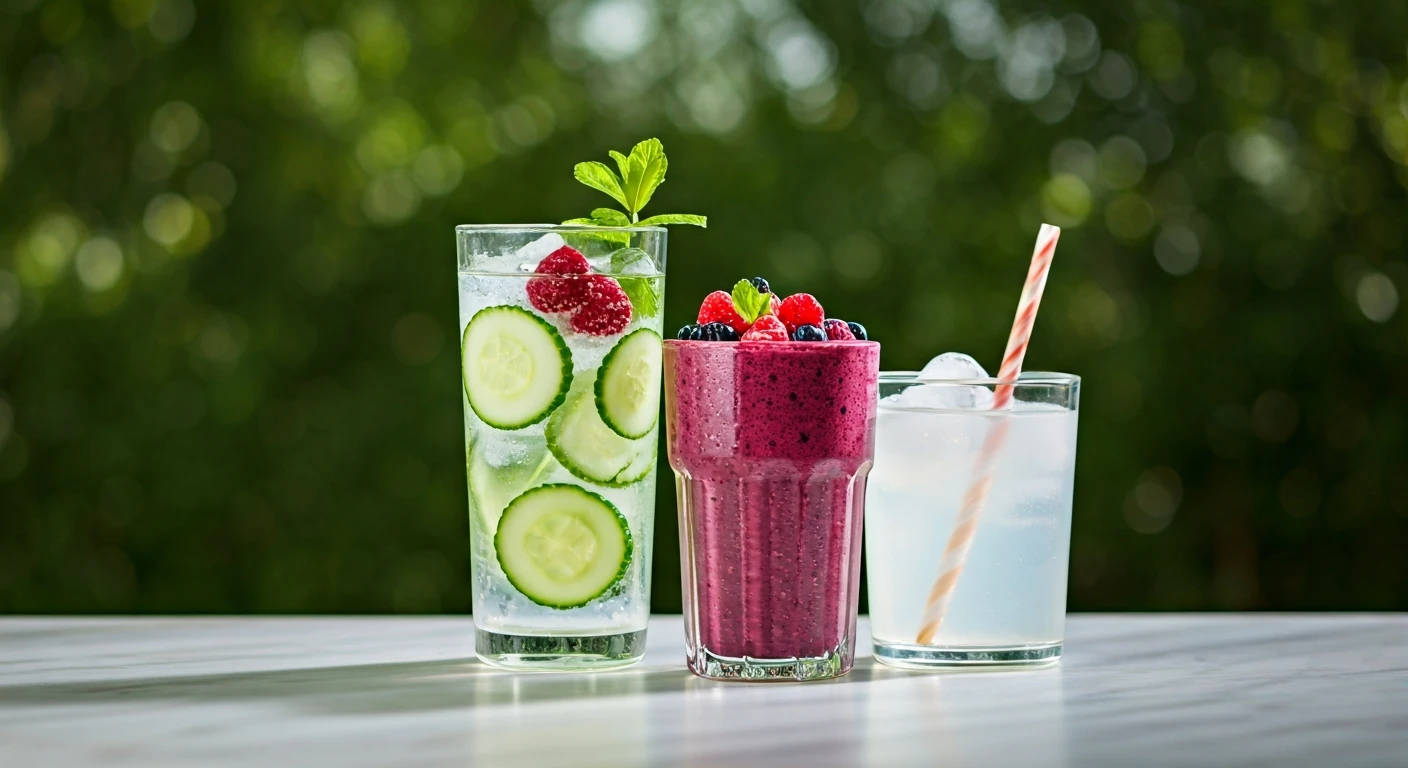
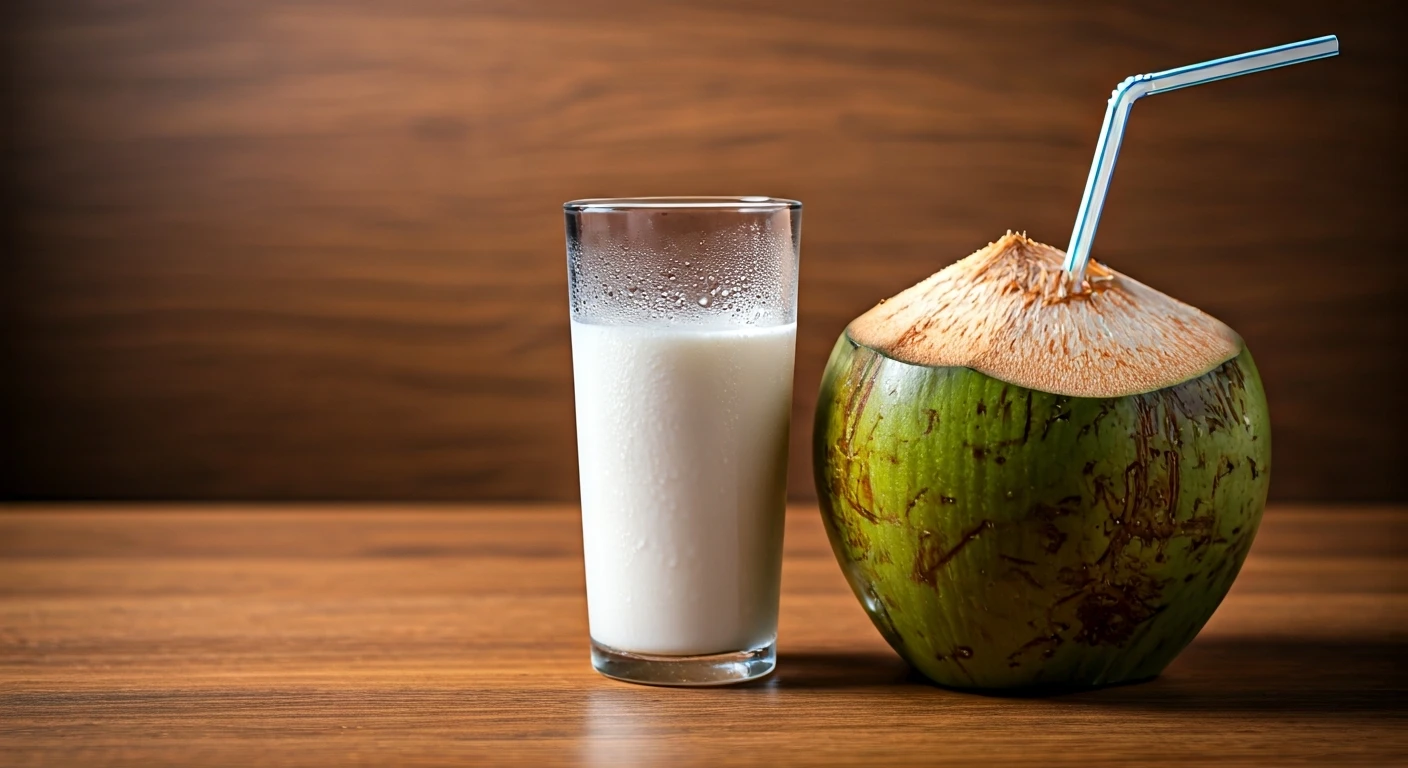
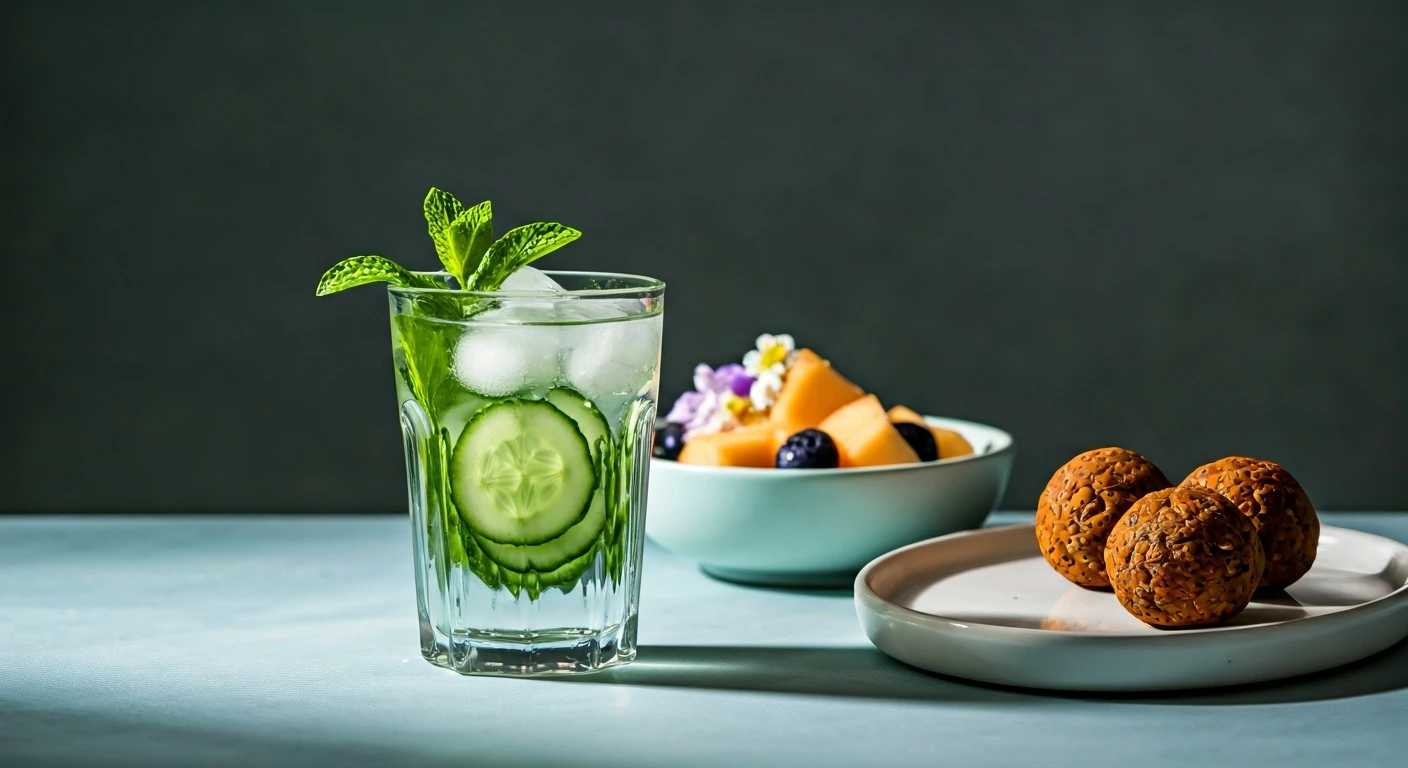
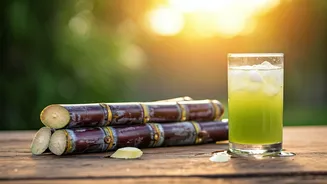
When grains are off the table, what fluids can you turn to? The good news is, you have several excellent options that align with traditional guidelines while keeping your body’s needs in check. * **Water:** The undisputed champion. Drink plain water throughout the day to stay hydrated, flush toxins, and keep energy levels stable. * **Coconut Water:** Often called “nature’s sports drink,” coconut water is a fantastic choice. It’s packed with electrolytes like potassium, which can help prevent the headaches and fatigue sometimes associated with fasting. * **Fruit Juices:** Freshly squeezed fruit juices (without added sugar) are generally permissible. Think apple, pomegranate, or orange juice. They provide hydration along with natural sugars for a gentle energy boost. * **Milk and Yogurt:** Dairy is allowed. A glass of milk or a simple, unsweetened lassi (yogurt blended with water) can be both hydrating and satiating, helping you feel fuller for longer.
What to Skip on Your Liquid Menu
Just as important as knowing what to drink is knowing what to avoid. Steer clear of caffeinated beverages like coffee and most teas. Caffeine is a diuretic, meaning it can cause you to lose water and become more dehydrated—the opposite of what you want. Also, be wary of store-bought juices and smoothies, which are often loaded with refined sugars, preservatives, and other additives that don’t align with the clean-eating spirit of the fast. The goal is to consume simple, natural, and purifying liquids. When in doubt, stick to water; it’s the purest choice and always the right one.
Prepare, Listen, and Break Gently
A successful fast begins the day before. Ensure you are well-hydrated on the tenth day (Dashami) and have a light, wholesome meal. On Ekadashi itself, pay close attention to your body’s signals. If you feel dizzy, excessively weak, or develop a severe headache, it’s a sign you need to drink something immediately. Don’t push yourself to a point of harm; the practice is about devotion, not self-punishment. When it’s time to break the fast the next morning (Dwadashi), do so gently. Start with a glass of water or juice before reintroducing solid food. Avoid jumping straight to a heavy, grain-based meal, as it can shock your digestive system.