


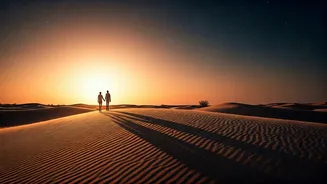



The Golden City in a Sea of Sand
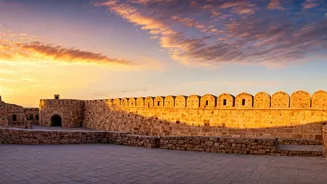
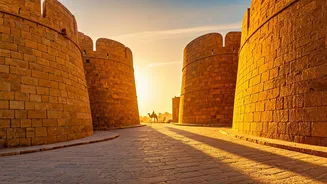
For most of the year, Jaisalmer lives up to its nickname: the “Golden City.” Perched on the edge of the vast Thar Desert in Rajasthan, it’s a vision of ochre and honey. Its magnificent fort, a UNESCO World Heritage site, seems to grow organically from
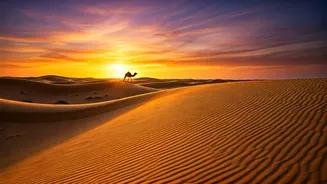
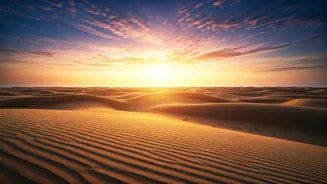
the sand-colored rock, housing shops, hotels, and ancient havelis (mansions) within its walls. Beyond the city, the Sam Sand Dunes stretch toward the horizon, their curves sculpted by the wind into an archetypal desert landscape. This is the image that draws travelers from across the globe—a world of camel safaris, starkly beautiful sunsets, and a silence so profound you can almost hear the shifting sands. The heat, the sun, and the endless gold are the city's defining characteristics, a testament to its resilience in one of the world's most arid environments.
When the Heavens Open
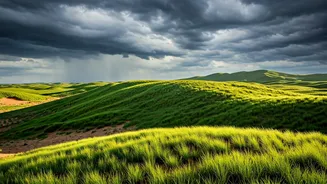
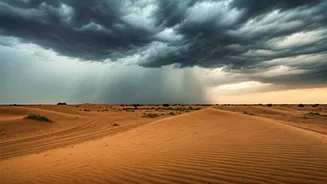
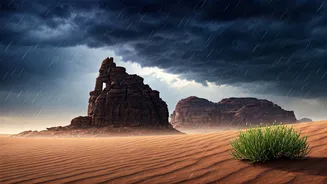
But then, usually between July and September, the story changes. The monsoon, a life-giving force that sweeps across the subcontinent, finally reaches this parched corner of India. It’s not a deluge like in other regions; the rains here can be sparse and unpredictable. But even a little is enough to trigger a miracle. The first drops hit the baked earth with a sizzle, releasing a rich, petrichor scent that locals have awaited for months. The sky, once a piercing blue, turns a dramatic grey. What follows is a transformation so complete it feels like a cinematic special effect. The landscape, once a uniform palette of brown and gold, begins to awaken.
The Desert's Secret Garden
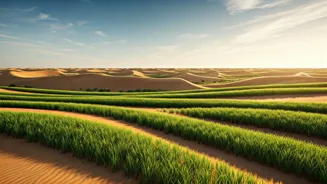
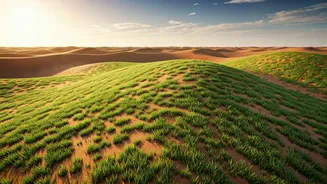
Within days, a faint green fuzz appears on the dunes. This is the “green flush” of the headline, a phenomenon that turns the desert floor into a meadow. Dormant for months, the seeds of desert-adapted grasses and wildflowers spring to life. Species like *kair*, *khejri*, and a variety of hardy shrubs suddenly carpet the ground. Small, temporary ponds, known locally as *nadis*, form in the depressions between dunes, reflecting the cloudy sky and attracting birds you wouldn't expect to see in a desert. Peacocks, India’s national bird, seem more vibrant against the new green backdrop. The air, once thick with dust, feels cleaner and cooler. This isn't a lush, tropical jungle, but something more subtle and, in its own way, more breathtaking: a desert wearing a temporary coat of life.
A Fleeting and Magical Window
The magic of this green spectacle lies in its impermanence. This verdant landscape is a fleeting gift. As the monsoon recedes and the fierce Rajasthani sun reclaims its dominion, the green begins to fade. The grasses turn to hay, the flowers wither, and the soil dries out once more, leaving the seeds to wait again for the next year's rain. This short window of time creates a sense of urgency and wonder for those lucky enough to witness it. Photographers flock to capture the surreal contrast of the ancient golden fort overlooking a sea of soft green. For locals, it's a period of rejuvenation and celebration, a visual sigh of relief after the long, hot summer. It’s a reminder that even in the harshest of environments, life is stubbornly, beautifully persistent, just waiting for its moment to bloom.