






Moving Beyond Imitation
For years, the pinnacle of vegetarian cooking seemed to be fooling carnivores. Veggie burgers were judged by how much they bled, and substitutes were prized for their mimicry. While the new generation of plant-based meats are technological marvels that
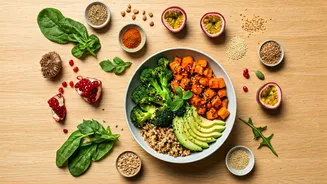
have their place, the real upgrade is a philosophical shift: celebrating vegetables for what they are, not for what they’re trying to be. Think less about a soy crumble masquerading as ground beef and more about a hearty, umami-rich mushroom bolognese that stands on its own. The modern vegetarian kitchen puts vegetables at the center of the plate, not as a stand-in. It’s about a perfectly roasted cauliflower steak with a tahini drizzle or charred sweet potatoes with black beans and feta—dishes that are unapologetically plant-forward and utterly delicious.
The New Nutritional Playbook
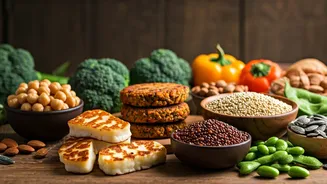
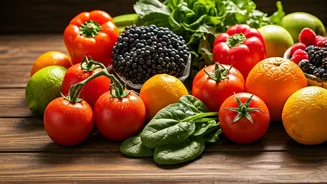
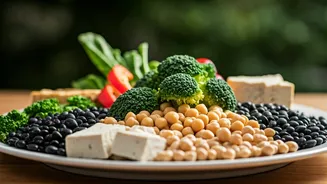
The old anxieties about vegetarianism—incomplete proteins, iron deficiency—have been replaced by a smarter, more relaxed nutritional strategy. The myth that you need to meticulously combine specific foods like rice and beans in a single meal to form a “complete” protein has been largely debunked. Today, nutritionists advise focusing on variety throughout the day. As long as you’re eating a diverse range of foods like legumes, whole grains, nuts, and seeds, you’re almost certainly getting all the essential amino acids you need. The upgraded approach also means being strategic about key nutrients. This includes incorporating vitamin C-rich foods (like bell peppers or citrus) with iron-rich plants (like spinach or lentils) to boost absorption. And it means recognizing that while most nutrients are plentiful in plants, a reliable vitamin B12 supplement is a non-negotiable for anyone avoiding all animal products.
Unlocking a World of Flavor
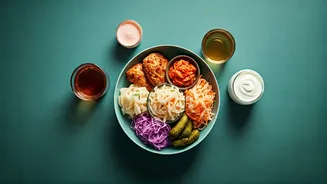
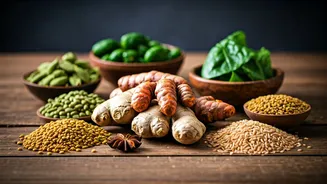
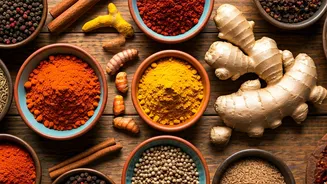
Perhaps the most exciting upgrade is the explosion of flavor tools from global pantries that have gone mainstream. These ingredients are the secret to building deep, complex, and satisfying vegetarian dishes without meat. A spoonful of white miso paste can add savory depth to a simple vegetable soup or salad dressing. A dash of gochujang, the Korean fermented chili paste, brings sweet, spicy, and funky notes to roasted vegetables or tofu. Nutritional yeast provides a cheesy, nutty flavor to sauces and popcorn. Tahini can be whipped into creamy dressings, while smoked paprika can make almost anything taste like it just came off a grill. Mastering a few of these global powerhouses is like getting a cheat code for your kitchen, allowing you to create dishes that are anything but one-dimensional.
Convenience Without Compromise
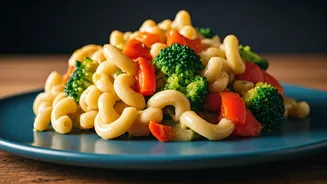
Let’s be honest: not every meal can be a from-scratch culinary project. The vegetarian upgrade extends to the supermarket aisle, where the quality and variety of convenience products have skyrocketed. This isn't about frozen TV dinners. It’s about high-quality building blocks that save you time without sacrificing flavor or nutrition. Think flavorful, simmer-ready sauces that aren’t loaded with sugar, pre-marinated organic tofu and tempeh, and a dazzling array of plant-based milks, yogurts, and cheeses that actually taste good and have clean ingredient lists. You can find high-protein lentil pastas, pre-cooked grains like quinoa and farro, and frozen vegetables that are flash-frozen at peak ripeness. Leveraging these products allows for a delicious, healthy vegetarian meal to come together in minutes, making the lifestyle more sustainable for busy people.